
Last updated November 2, 2026
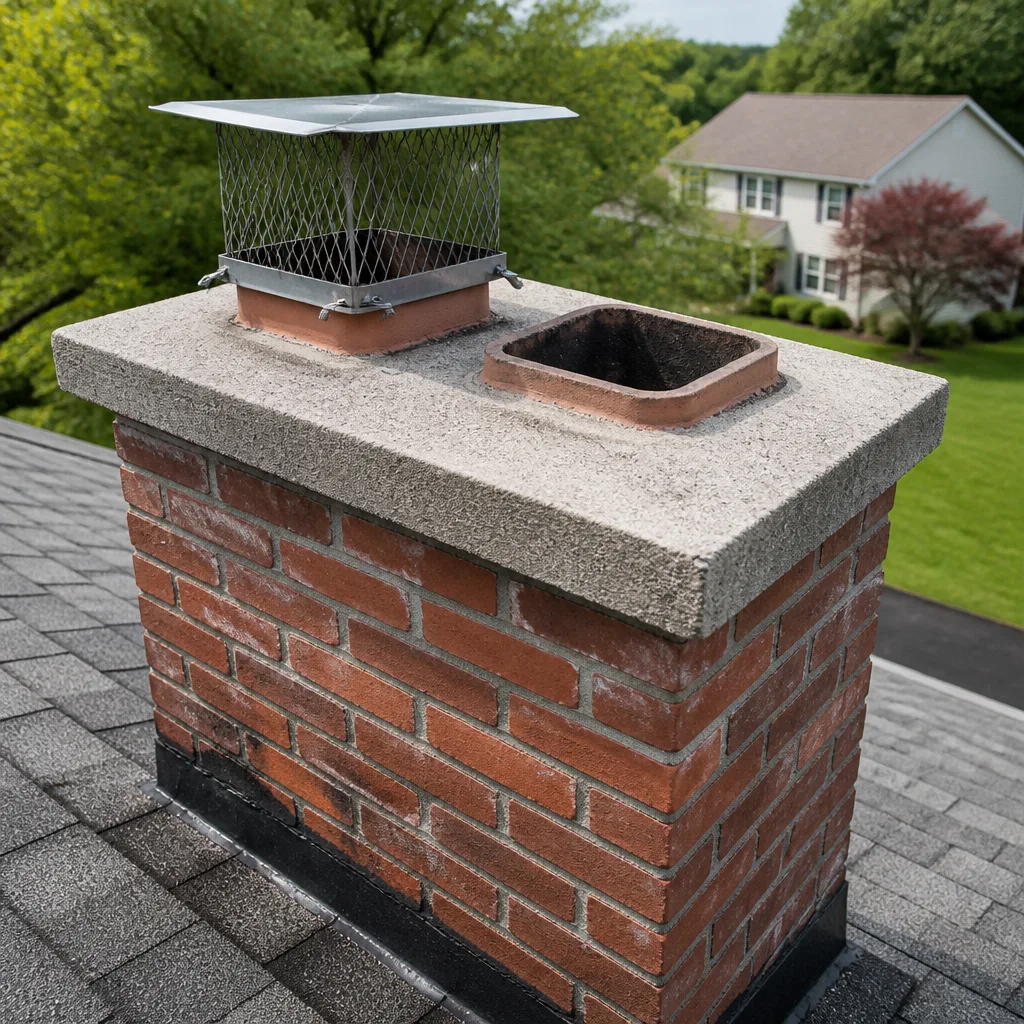 Sweep & inspection
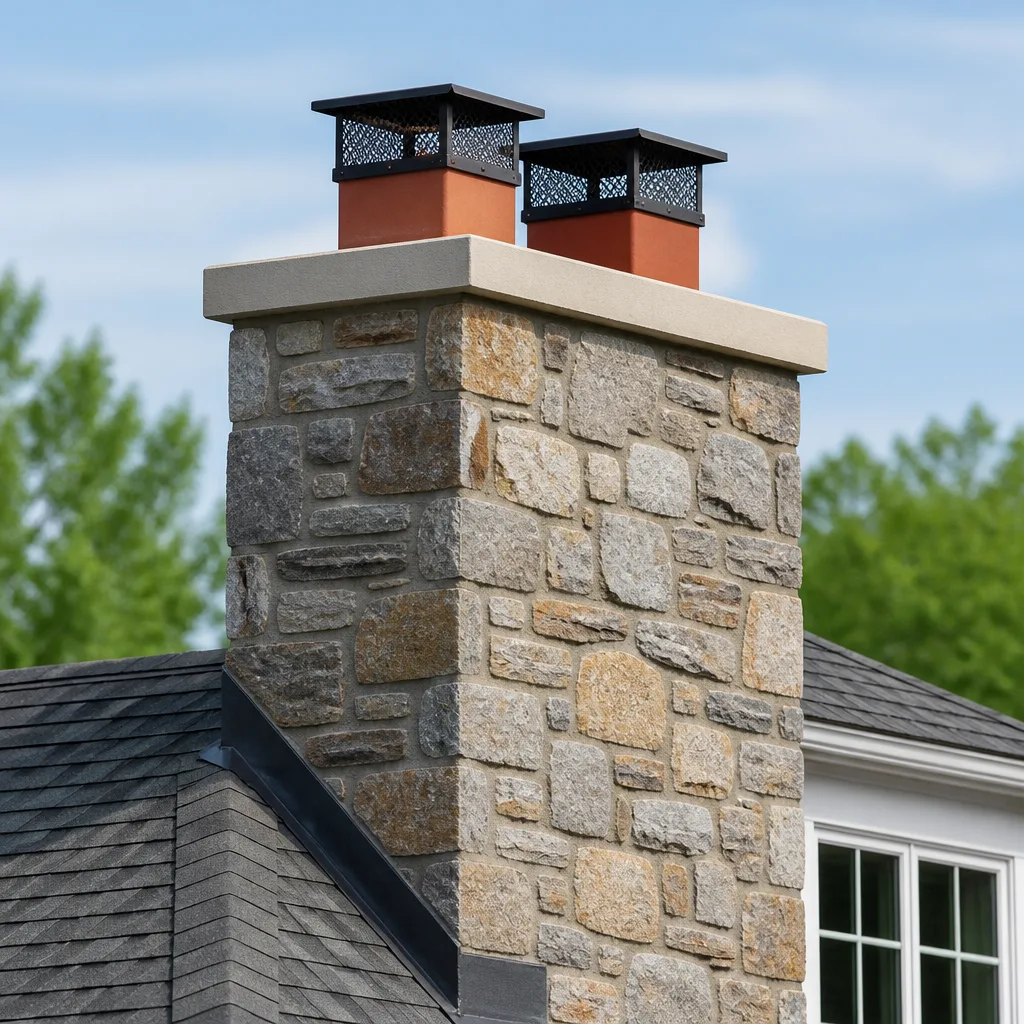 Caps & crowns
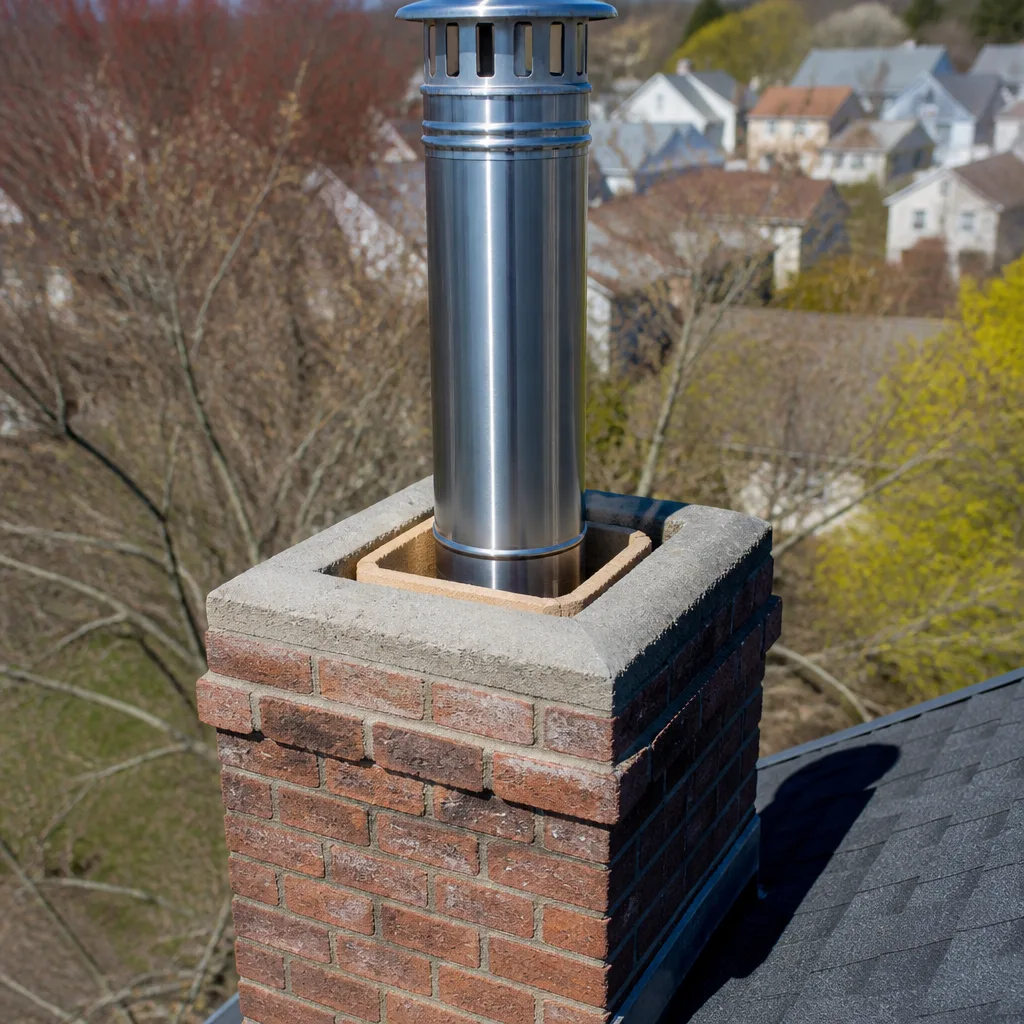 Flue relining
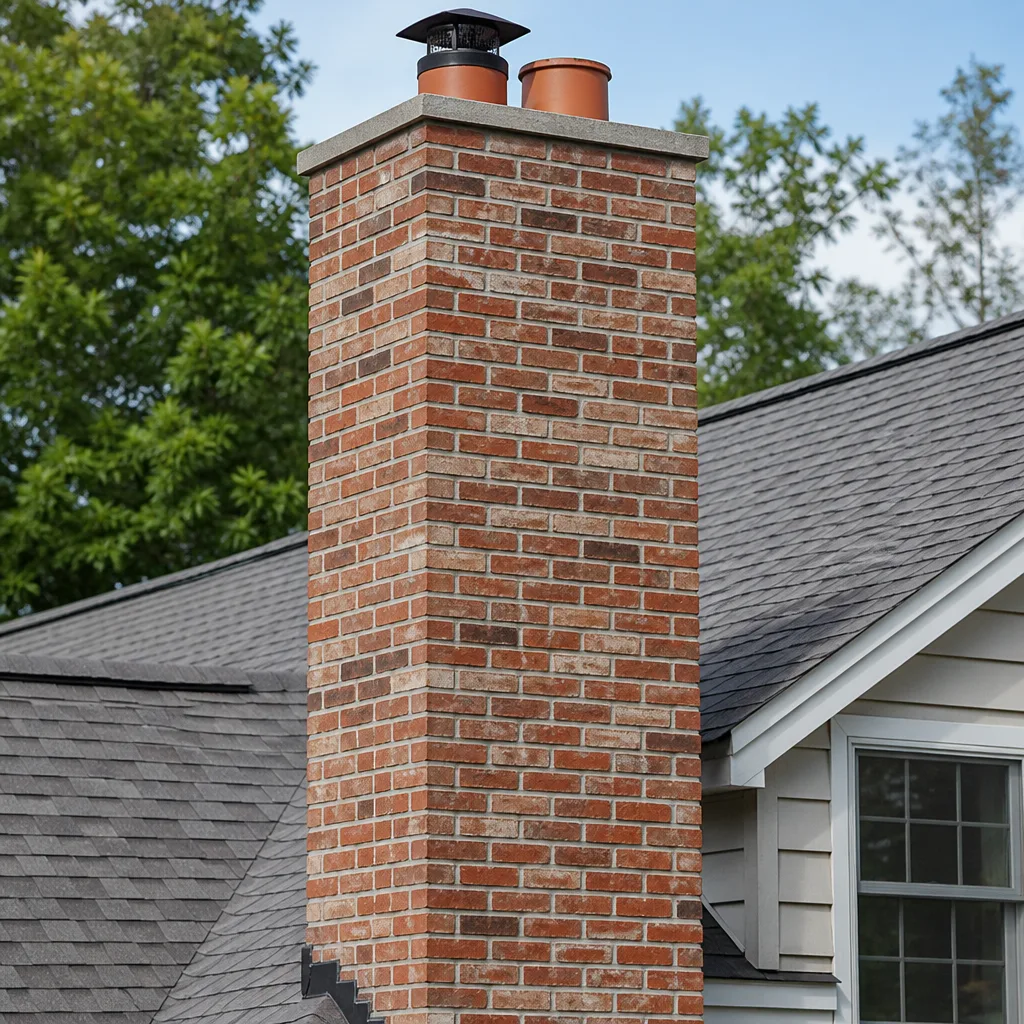 Masonry repair
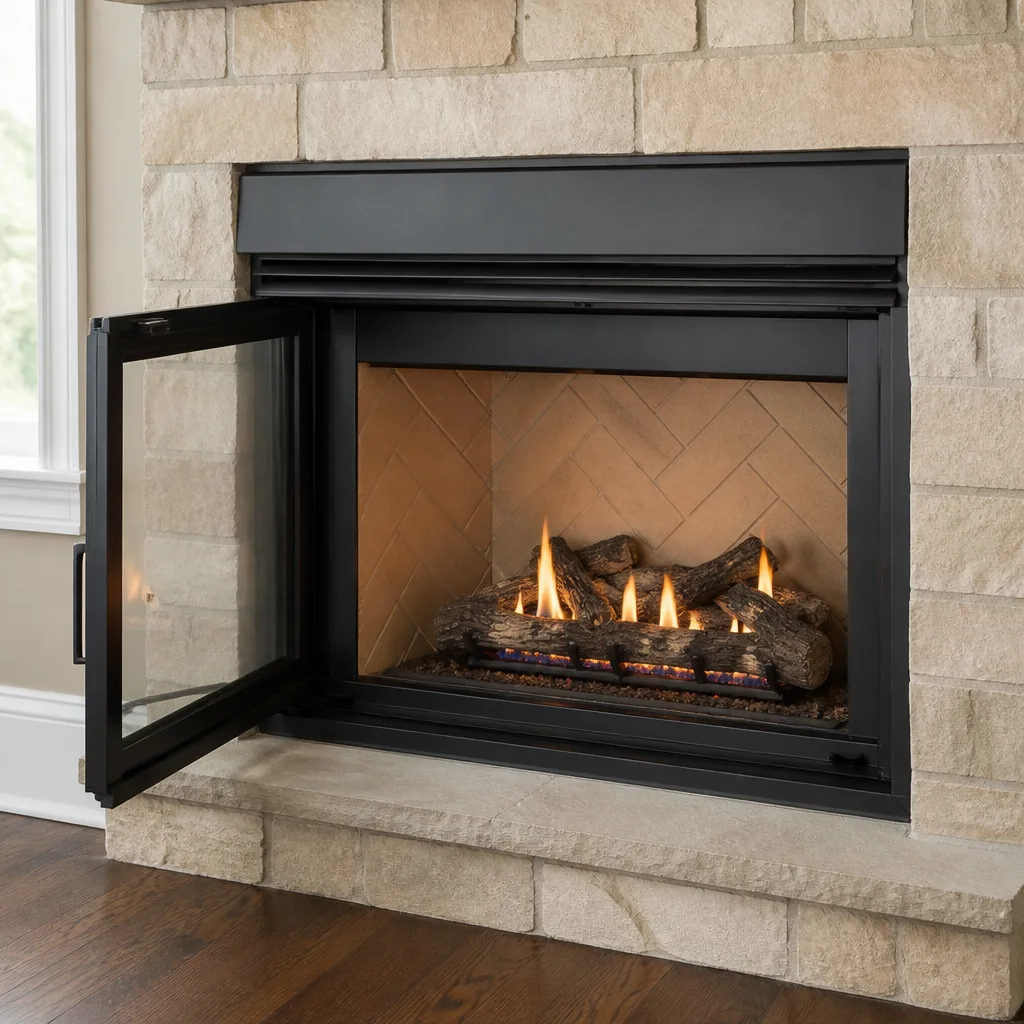 Gas fireplace service
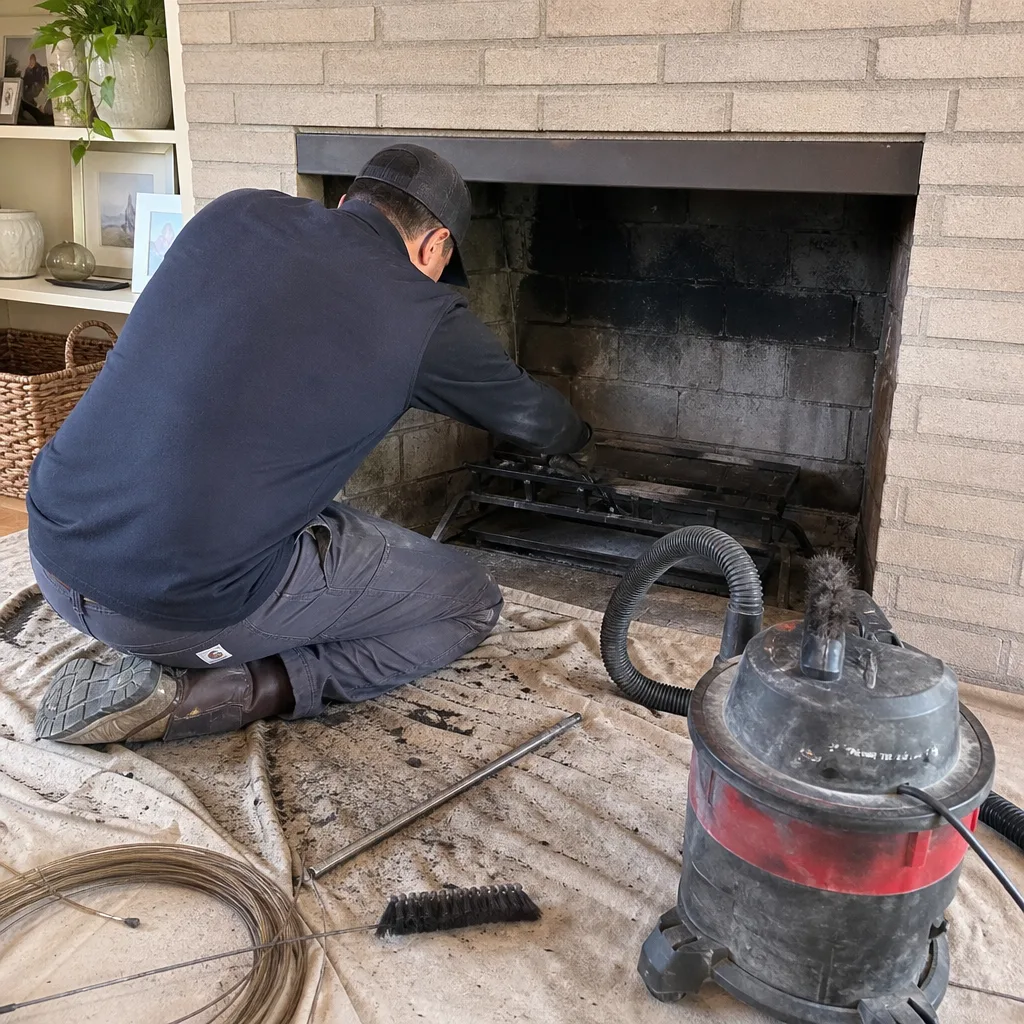
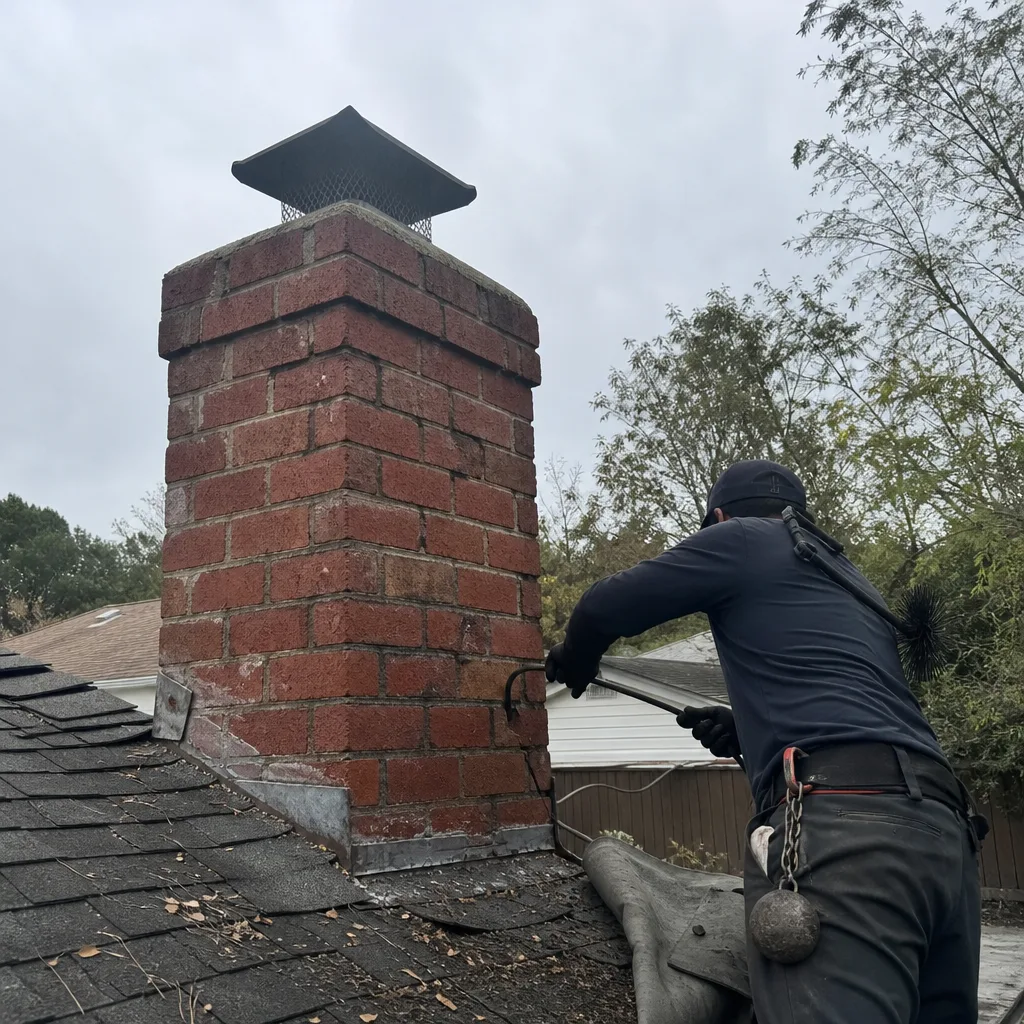
Level 1 sweep and inspection to the NFPA 211 annual standard - flue, crown, cap, and flashing checked and photographed
Chimney sweep logs do not sweep chimneys. They loosen some creosote - which then falls where a brush and vacuum still have to collect it.
Chimney Cleaning Warning Signs: A Westminster Homeowner’s Reference Guide
The smell of stale smoke in your living room when the fireplace isn’t in use isn’t a minor nuisance. It’s a draft failure signal, and in Westminster homes it often points to a blocked flue or a deteriorating damper. Most chimney problems announce themselves quietly, weeks or months before they become dangerous. This guide covers the warning signs specific to Westminster’s mild-use fireplaces, the signals that generic national guides consistently overlook, and what each one means for the system behind your wall. For Chimney Sweep Maintenance Checklist for Westminster Homeowners, see our companion resource.
Quick Answer
A chimney needs cleaning or repair when you notice stale smoke odor when the fireplace is cold, visible soot falling into the firebox, a damper that sticks or won’t fully open, white staining on exterior brick, or smoke rolling into the room during a fire. In Westminster, where fireplaces see seasonal use rather than daily use, the most common early signal is a musty or acrid smell that appears when the weather shifts, not when the fire is burning.
Styles & brands we work with
- Sweep & inspection
- Caps & crowns
- Flue relining
- Masonry repair
- Gas fireplace service
Table of Contents
- The Five Smell Profiles That Point to Specific Chimney Problems
- Visual Warning Signs You Can Check From the Ground
- Why a Sticky Damper Is a Corrosion Signal, Not an Inconvenience
- How to Read Smoke Behavior During a Fire
- Prefab Fireplace Warning Signs Westminster Homeowners Miss
- How Often a Westminster Chimney Actually Needs Cleaning
- Common Mistakes to Avoid
- When to Call a Professional
- Frequently Asked Questions
The Five Smell Profiles That Point to Specific Chimney Problems
Chimney odors are diagnostic. Each smell profile maps to a different structural or mechanical issue, and learning to distinguish them tells you whether you’re dealing with a cleaning problem, a repair problem, or both. We’ve worked on enough Westminster chimneys to recognize these patterns quickly, and they rarely match the generic “you have creosote” answer that national guides default to. When you’re ready to dig deeper, our Chimney Sweep Troubleshooting: Common Problems and How to Fix Them walks through hands-on solutions.
Stale smoke odor when the fireplace is cold. This is the most common complaint in Westminster homes. It means air is moving the wrong way through the flue, carrying old soot and creosote residue back into the living space. The cause is usually one of three things: a flue that’s partially blocked by debris or an animal nest, a damper that’s warped and no longer seals, or negative air pressure in the house from exhaust fans or a tightly sealed envelope. A cleaning alone won’t fix the second two. You need a diagnosis.
Sulfur or rotten-egg smell. This one matters. Sulfur odors indicate combustion gases are not venting properly, which means carbon monoxide could be following the same path. If you smell this, stop using the fireplace and have the system inspected. In Westminster homes with older furnaces and water heaters sharing a chimney chase, the source is sometimes a deteriorated flue liner letting exhaust from another appliance bleed into the fireplace cavity. This is a structural issue, not a sweeping issue.
Burning plastic or chemical smell during a fire. This is not creosote. It’s usually an object that fell into the flue and is now melting, or worse, a prefab fireplace component that’s overheating. Zero-clearance fireplaces have metal parts and factory-installed components that are not designed to contact direct flame. If a chemical smell appears mid-fire, shut it down and have it inspected before the next burn.
Musty, wet, or animal smell. A musty chimney in Westminster usually means water intrusion or an animal presence. Squirrels, birds, and raccoons find chimneys attractive nesting spots, and a nest brings moisture, droppings, and odor. The underlying issue is usually a missing or damaged chimney cap. The fix is removal, cleaning, and a proper cap installation, not just deodorizing the flue.
Acrid, sharp smell that burns your eyes. This is creosote off-gassing, and it’s the signal most people associate with “chimney needs cleaning.” Acrid smells mean there’s a significant creosote deposit in the flue that’s releasing volatile compounds even when the fireplace is cold. In Westminster, where fires are seasonal and often short, creosote builds differently than in cold-climate homes with daily burns. It tends to be thinner but stickier, and it can accumulate faster than homeowners expect because fires are less frequent and less complete.
What each smell profile means at a glance
- Stale smoke: draft failure, blocked flue, or failed damper.
- Sulfur: combustion gas backdraft, possible liner damage, carbon monoxide risk.
- Burning plastic: foreign object in flue or overheating prefab component.
- Musty/animal: water intrusion or animal nesting, usually a cap issue.
- Acrid/burning eyes: creosote buildup, cleaning needed.
If you’ve noticed any of these smells in your Westminster home, a Chimney Sweep in Westminster inspection can identify the source and recommend a specific fix rather than a generic cleaning.
Visual Warning Signs You Can Check From the Ground
You don’t need a ladder to do a meaningful chimney inspection. Standing in your yard or on the sidewalk, you can check for the three most common exterior warning signs in Westminster: spalling brick faces, white efflorescence staining, and visible mortar gaps at the crown. Each one is a structural signal that a sweep can’t fix with a brush.
Spalling brick faces. Spalling is when the brick surface flakes, chips, or pops off in small pieces. It’s caused by water penetrating the brick and then expanding with temperature swings. Westminster’s climate, with warm days and cool nights through much of the year, creates the right conditions for this cycle. Once spalling starts, it accelerates. The damaged brick face exposes more surface area to water, which causes more spalling. You’ll see brick fragments on the roof or in the gutter below the chimney.
White efflorescence staining. Efflorescence is the chalky white deposit that appears on masonry. It’s salt that water carries through the brick and leaves behind when it evaporates. Efflorescence isn’t harmful by itself, but it’s a reliable indicator that water is moving through the chimney structure in a way it shouldn’t be. In Westminster, efflorescence often appears first on the side of the chimney that gets the least afternoon sun, since that area stays wetter longer.
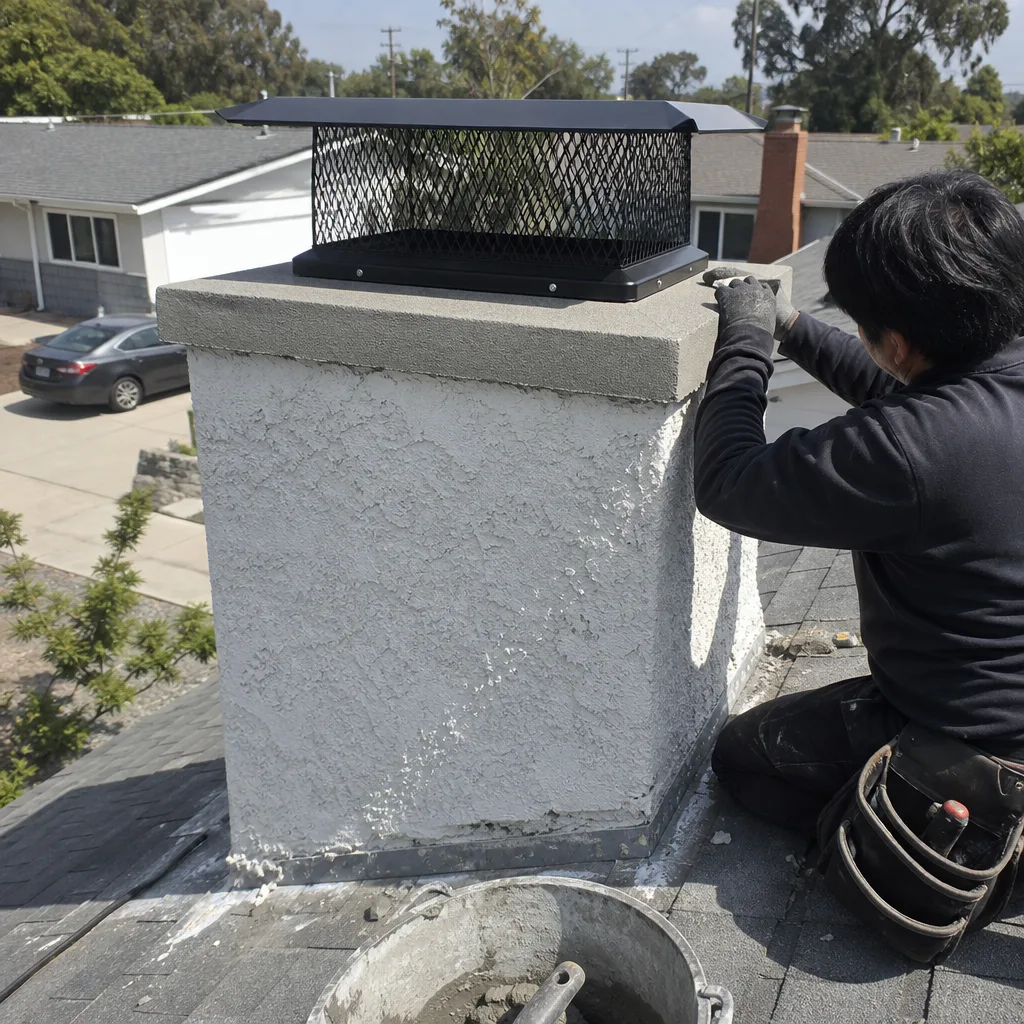
Mortar gaps at the crown. The crown is the concrete slab that caps the top of the chimney, and its job is to shed water away from the flue and the masonry below. When the crown cracks or the mortar joint between the crown and the brick begins to erode, water follows the path of least resistance into the structure. From the ground, look for visible gaps, missing chunks, or a crown surface that looks uneven or pitted. In Westminster homes built in the 1960s through 1980s, crowns are often thin and undersized, and they fail predictably.
These three signals often appear together. A home with efflorescence on the lower chimney body usually has a crown problem up top. A chimney with spalling faces often has both. The fix is structural: crown repair or replacement, brick replacement, and sometimes a moisture barrier treatment. This is where the repair-first approach matters. A Chimney Repair in Westminster technician can address the structure, not just clean around it.
Why a Sticky Damper Is a Corrosion Signal, Not an Inconvenience
A damper that’s hard to open, hard to close, or won’t seat fully is telling you something about the fireplace system. Dampers are metal components that sit directly in the flow of combustion gases. They see heat, moisture, and corrosive byproducts every time a fire burns. When a damper starts sticking, it’s usually because corrosion has set in, or because the metal has warped from heat cycling and no longer aligns with its frame.
In Westminster, the specific issue we see most often is a damper that was left partially open through a wet season. Condensation forms on the metal, and over several months, rust builds up on the hinge points and the seating surfaces. The damper then won’t close fully, which means a constant path for conditioned air to escape the house and a constant path for outside air and odors to come back in. It’s a slow leak that shows up on energy bills and in that stale-smoke smell.
A damper that won’t fully open is a different problem. It reduces the flue opening area, which changes the draft dynamics and can push smoke back into the room. In masonry fireplaces, the fix is usually a damper replacement or a top-sealing damper installation. In prefab fireplaces, the damper is integrated into the unit and may require replacement parts from the manufacturer. Either way, a sticking damper is not a lubrication job. It’s a replacement signal.
The practical takeaway: if you have to fight the damper every time you use the fireplace, stop fighting it and have it inspected. A correctly functioning damper should move with one hand and seat firmly when closed. Anything less is a system problem.
How to Read Smoke Behavior During a Fire
Smoke behavior is one of the most useful diagnostic tools a homeowner has, because it tells you in real time how the draft system is performing. The key is to watch it consistently across several fires and note what changes. Here’s how to interpret the three patterns we see most often in Westminster homes.
Smoke rollout at startup
When a fire is first lit, the flue is cold, and the draft hasn’t been established. Some smoke entering the room during the first minute or two is common, but it should stop quickly. If smoke continues to roll out of the fireplace opening after the fire has caught, the flue isn’t pulling. The cause could be an obstruction, a closed or partially closed damper, a flue that’s too cold, or negative pressure in the house. In tightly sealed Westminster homes, kitchen exhaust fans running during a fire are a frequent culprit.
Slow draw through the burn
A fire that burns without pushing smoke into the room but seems lazy, with flames that don’t move and smoke that lingers at the top of the firebox, usually indicates a draft that’s marginal. The chimney is pulling, but not strongly. Common causes include a flue that’s undersized for the fireplace opening, creosote buildup that’s reducing the effective flue diameter, or a chimney that’s too short for the roofline. Westminster single-story homes with chimneys that barely clear the ridge often show this pattern.
Lateral drift into the room
Smoke that drifts sideways out of the fireplace, rather than up the flue, is a directional draft problem. The fire is burning, but the smoke is finding an easier path into the room than up the chimney. This can be caused by wind pressure on the chimney top, a home that’s under negative pressure from a competing exhaust source, or a flue obstruction that’s deflecting the smoke stream. If it only happens on certain days or with certain wind directions, the chimney cap or the flue termination may be the issue.
The important point is that smoke belongs in the flue, not the room. Any pattern where smoke enters the living space, even occasionally, means the system isn’t functioning correctly. Each occurrence deposits soot on your walls, furniture, and lungs, and each one is a signal that something specific needs to be corrected.
Prefab Fireplace Warning Signs Westminster Homeowners Miss
Prefab, or zero-clearance, fireplaces age differently than masonry chimneys, and they have their own failure signatures. Westminster has a high concentration of these units in homes built from the 1970s onward, and many of them are now reaching the end of their designed service life. Here are the signals that apply specifically to prefab systems.
Visible rust on the firebox walls or ceiling. Prefab fireboxes are made of sheet metal with a refractory panel lining. When water enters the chimney, usually through a failed chase cover or a damaged termination cap, the metal rusts. Rust you can see inside the firebox means water has been present for a while, and the metal components behind the panels are likely worse.
Warped or discolored chase cover. The chase cover is the metal lid on top of the wood-framed enclosure that surrounds a prefab chimney. If you can see it from the ground, look for rust, sagging, or visible gaps where it meets the chase. A failed chase cover lets water directly into the chase, and from there into the fireplace and the surrounding framing. In Westminster, this is the single most common source of prefab fireplace failure we find.
Refractory panels with cracks or gaps. The panels that line the firebox are designed to reflect heat and protect the metal shell. When they crack, the metal behind them is exposed to direct flame. Small hairline cracks are common and often cosmetic, but panels that are loose, displaced, or showing gaps at the seams need replacement. A fire with compromised panels is a fire that’s overheating the unit shell, and prefab units are not designed for that.
Chase cover sealed with silicone. This is a Westminster-specific observation: if you look at your chase cover and see silicone caulk around the seams, someone attempted a budget fix instead of replacing the cover. Silicone fails within a season or two. The proper fix is a new cover, ideally stainless steel, installed with proper fasteners and a water-shedding design. The materials matter here, and the chimney industry has settled on specific standards for a reason. We install materials the chimney industry trusts: DuraFlex, HeatShield, Copperfield, and more.
If you own a prefab fireplace, an annual inspection is more important, not less, than for a masonry system. Prefab units have tighter tolerances and fail more catastrophically when neglected.
How Often a Westminster Chimney Actually Needs Cleaning
The standard answer from national guides is “once a year.” The honest answer for Westminster is that it depends on how you use your fireplace, what you burn, and the type of system you have. Here’s a more useful framework.
Masonry fireplace used seasonally: If you burn wood from November through February, one cleaning per year, scheduled in the fall before the burning season, is appropriate. The cleaning removes the previous season’s creosote and gives you a fresh start. In Westminster, fall scheduling also beats the winter rush, which matters if you want a cleaning before the first cold snap.
Masonry fireplace used occasionally: If you light a fire a handful of times per year, you can extend the interval, but not indefinitely. Creosote is a function of burn temperature and wood moisture, not raw frequency. A few low, smoldering fires can produce more creosote than a season of hot, efficient burns. An inspection every other year is a reasonable floor.
Prefab fireplace: Prefab units should be inspected annually regardless of use. The reason is the chase and the termination cap, not the flue. Water intrusion and animal entry happen whether you burn or not, and catching them early is the difference between a $200 fix and a $2,000 one.
Any system with a gas log set: Gas logs produce moisture as a combustion byproduct, and that moisture accelerates deterioration of flue liners and firebox components. An annual inspection is appropriate, even though there’s no creosote to remove.
The frequency question is really a question about the cost of deferred maintenance. A cleaning costs a known amount. A liner repair or a chase rebuild costs significantly more. A clean chimney and a sound chimney aren’t the same thing – we deliver both.
Common Mistakes to Avoid
- Ignoring the off-season smell. A stale-smoke odor in August is a diagnosis waiting to happen. It means air is moving through the flue in the wrong direction, and whatever is causing it won’t fix itself. Call for an inspection when you notice it, not when you’re ready to burn.
- Burning unseasoned wood to save money. Wet wood burns cool, which produces exponentially more creosote than dry wood. The money saved on wood gets spent on more frequent cleanings and, eventually, on liner repairs. Burn wood that’s been split and stacked for at least six months.
- Sealing a prefab chase cover with caulk. Caulk is not a structural repair. It fails, water gets in, and the damage compounds. Replace the chase cover with a proper metal component, ideally stainless steel, from a manufacturer like Famco or Copperfield.
- Using the fireplace while the carbon monoxide detector is out of batteries. This one should be obvious, but it happens constantly. A working CO detector is the backstop for every other failure mode. Replace batteries before the burning season starts.
- Hiring a handyman to do chimney repair. Chimney repair is a specialized trade. The materials, clearances, and installation methods are specific to the chimney industry. A handyman who fixes a leaky gutter and a chimney crown in the same afternoon is guessing at at least one of those jobs.
- Assuming a sweep will catch everything. A standard sweep is a cleaning service. It removes creosote and checks for obvious issues. It does not include the level of structural assessment that a repair-focused chimney specialist performs. If your home has a history of leaks or animal entry, request a full inspection, not just a sweep.
When to Call a Professional
Call a chimney professional when you notice any of the smell profiles described above, when smoke enters the room during a fire, when you see exterior masonry damage, or when your damper no longer operates smoothly. For more guides & resources on keeping your system safe, explore our blog. Call before the burning season if you haven’t had an inspection in the past year, especially if you own a prefab fireplace or a gas log set. If you smell sulfur or suspect carbon monoxide, stop using the fireplace immediately and call before the next burn. Chimney Repair Westminster offers free estimates in Westminster – call (877) 358-3706 to schedule an inspection.
Frequently Asked Questions
The first signs are usually a stale smoke smell when the fireplace is cold, visible dark soot inside the firebox, or an acrid odor that becomes noticeable when the weather changes. In Westminster homes, these signs often appear in the fall when temperatures drop and the house’s air pressure shifts, drawing chimney air back into the living space for the first time in months.
A standard chimney sweep in Westminster typically ranges from $150 to $350 depending on the system type, accessibility, and whether animals or major creosote removal are involved. Prefab fireplaces are usually on the lower end of that range, while masonry chimneys with heavy creosote run higher. Call (877) 358-3706 for an exact quote – estimates are free.
A musty smell usually indicates water intrusion or animal nesting, and the fireplace should be inspected before use. Burning a fire with an animal nest in the flue can ignite the nest material and block the flue simultaneously, which is a recipe for a chimney fire. The fix is removal, cleaning, and installing a proper chimney cap to prevent recurrence.
Prefab fireplaces need annual inspection, just like masonry systems, but the failure modes are different. Prefab units are more vulnerable to water damage through the chase cover and to overheating from compromised refractory panels. They also have a finite service life, typically 20-30 years, after which components or the entire unit require replacement.
Missing or eroding mortar joints mean water is penetrating the chimney structure. Each missing section creates a path for rain to enter the masonry, and in Westminster’s wet winter months, that water accelerates damage through freeze-thaw cycles. The repair is repointing, which involves removing damaged mortar and replacing it with fresh material matched to the existing joint profile.
Cleaning addresses creosote and soot buildup. Repair addresses structural issues like damaged flue liners, cracked crowns, spalling brick, deteriorated dampers, and failed chase covers. If you have odor, smoke rollout, visible exterior damage, or water stains, you likely need repair in addition to or instead of cleaning. A Chimney Sweep in Westminster inspection can identify which services apply to your system.
The Bottom Line
Chimney warning signs in Westminster are subtle, specific, and early. The stale smoke smell in summer, the white staining on the north-facing brick, the damper that fights back, the smoke that drifts sideways instead of up – each one is a data point about the system behind the wall. Learning to read these signals means catching a creosote problem before it becomes a chimney fire, a crown crack before it becomes a structural rebuild, and a failed chase cover before it becomes a full prefab replacement. Most Westminster chimneys see seasonal use, which means problems develop slowly and announce themselves quietly. Pay attention, act early, and when the signal is unclear, get a Chimney Repair Westminster home inspection before the burning season starts. Your dryer vent is a fire risk too – we clear it while we’re there. From sweep to structural repair – handled by one team.
Written by the team at Chimney Repair Westminster, serving Westminster since 2012.
See the difference
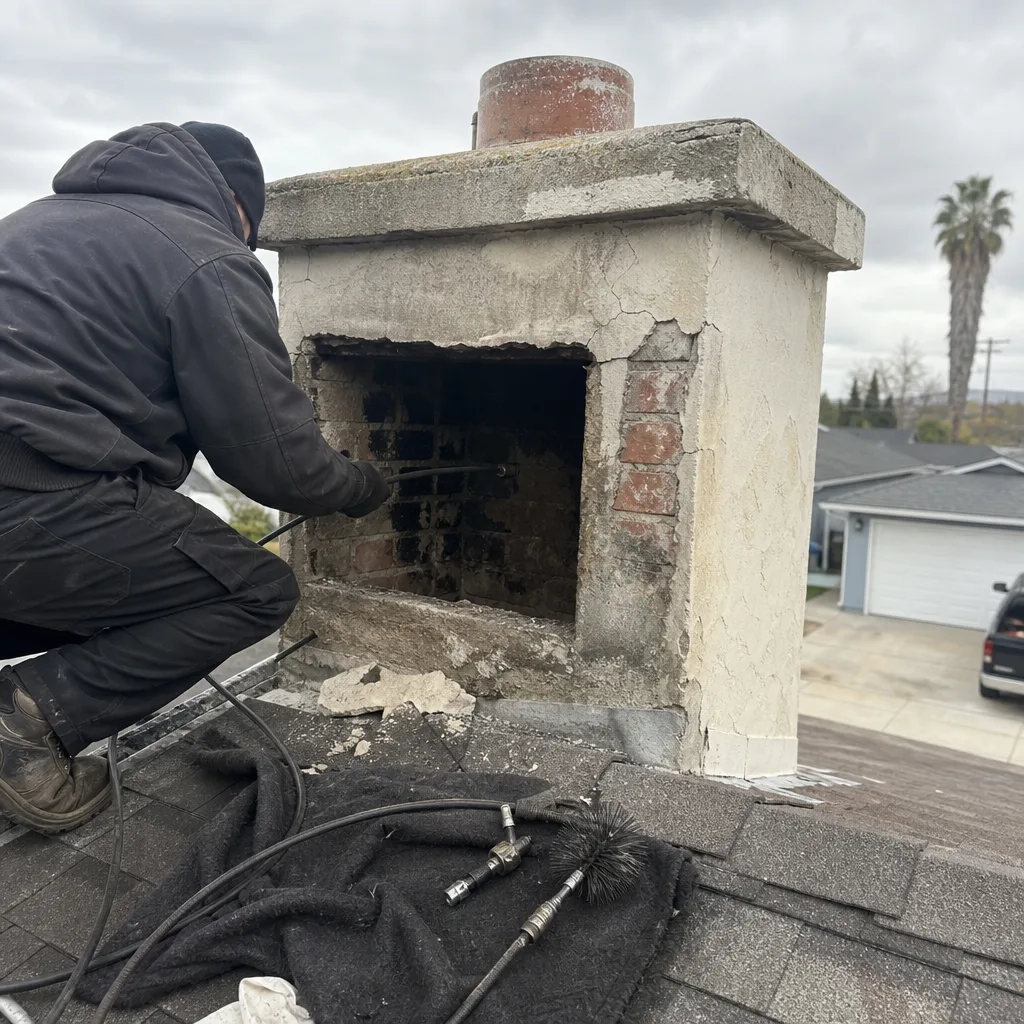 Before
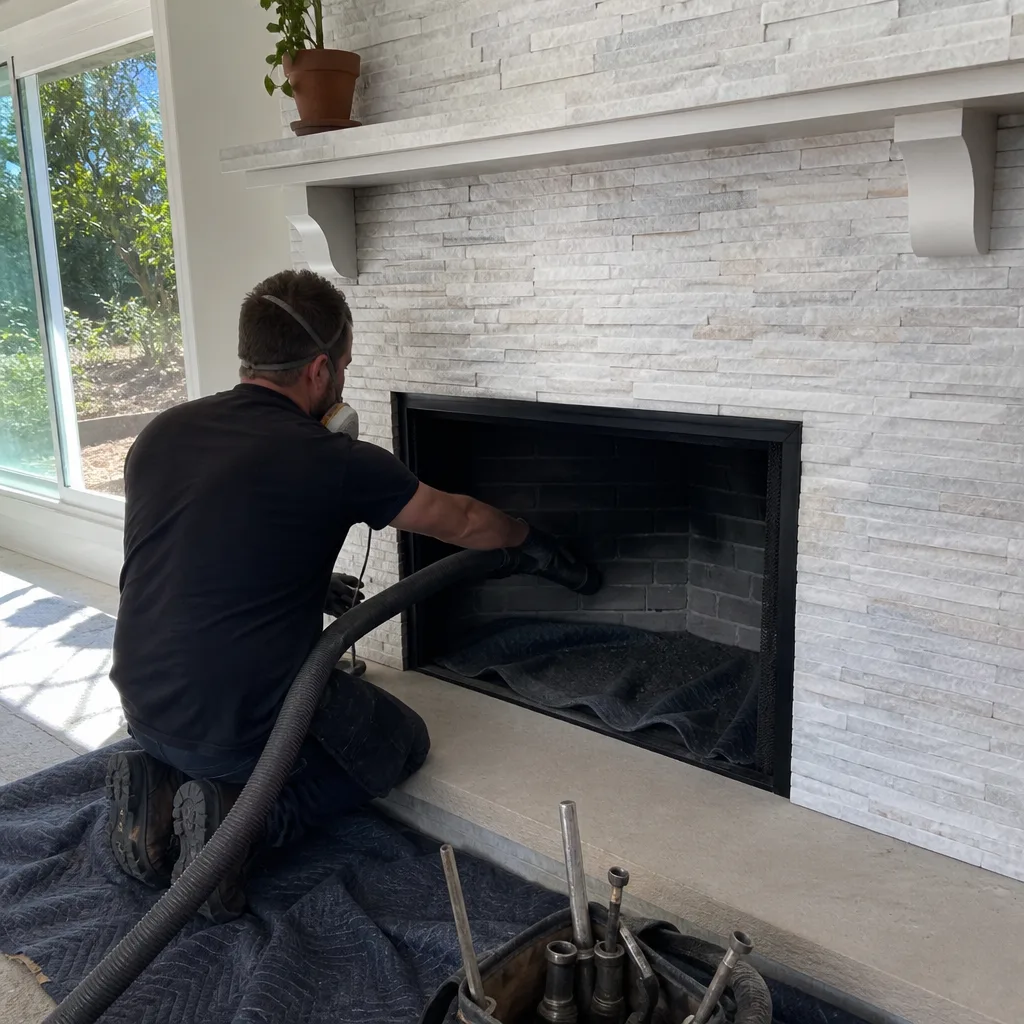 After
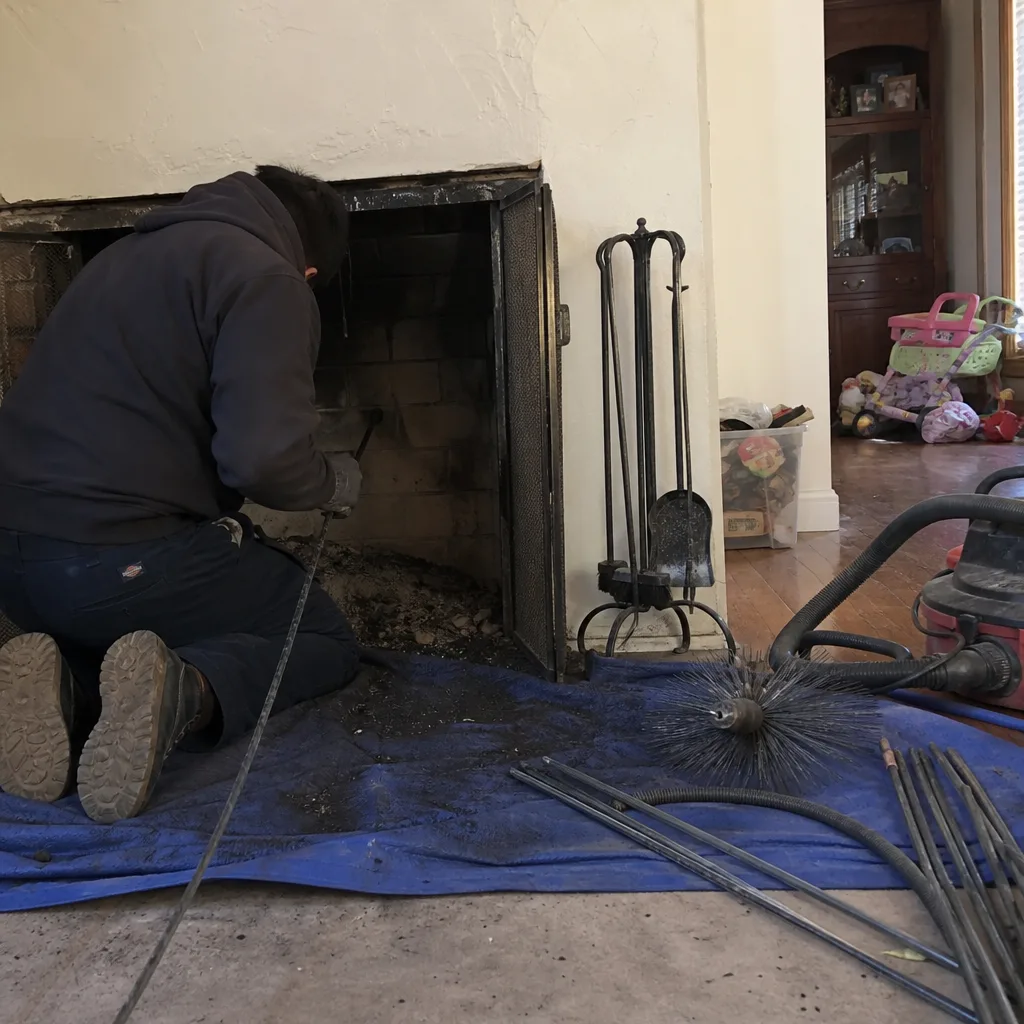 Before
 After
 Before
 After