
Last updated November 2, 2026
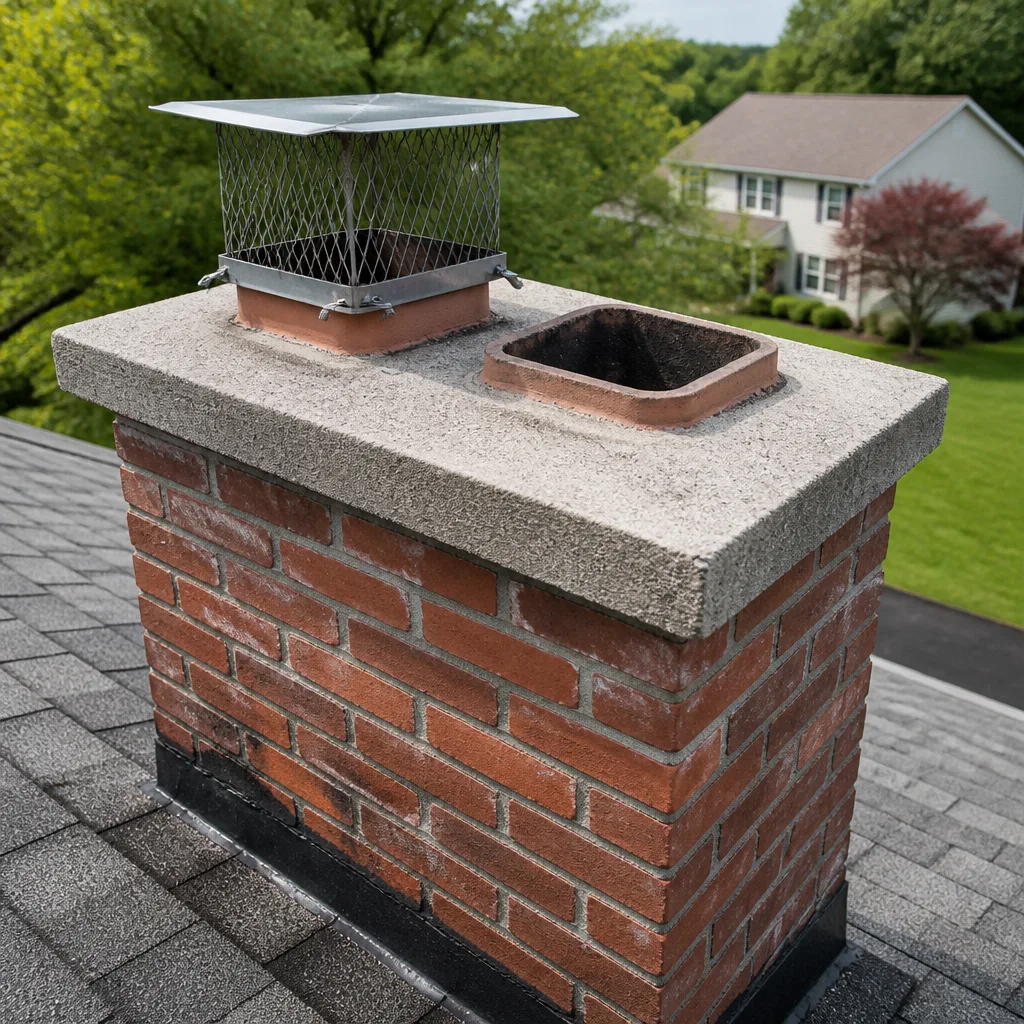 Sweep & inspection
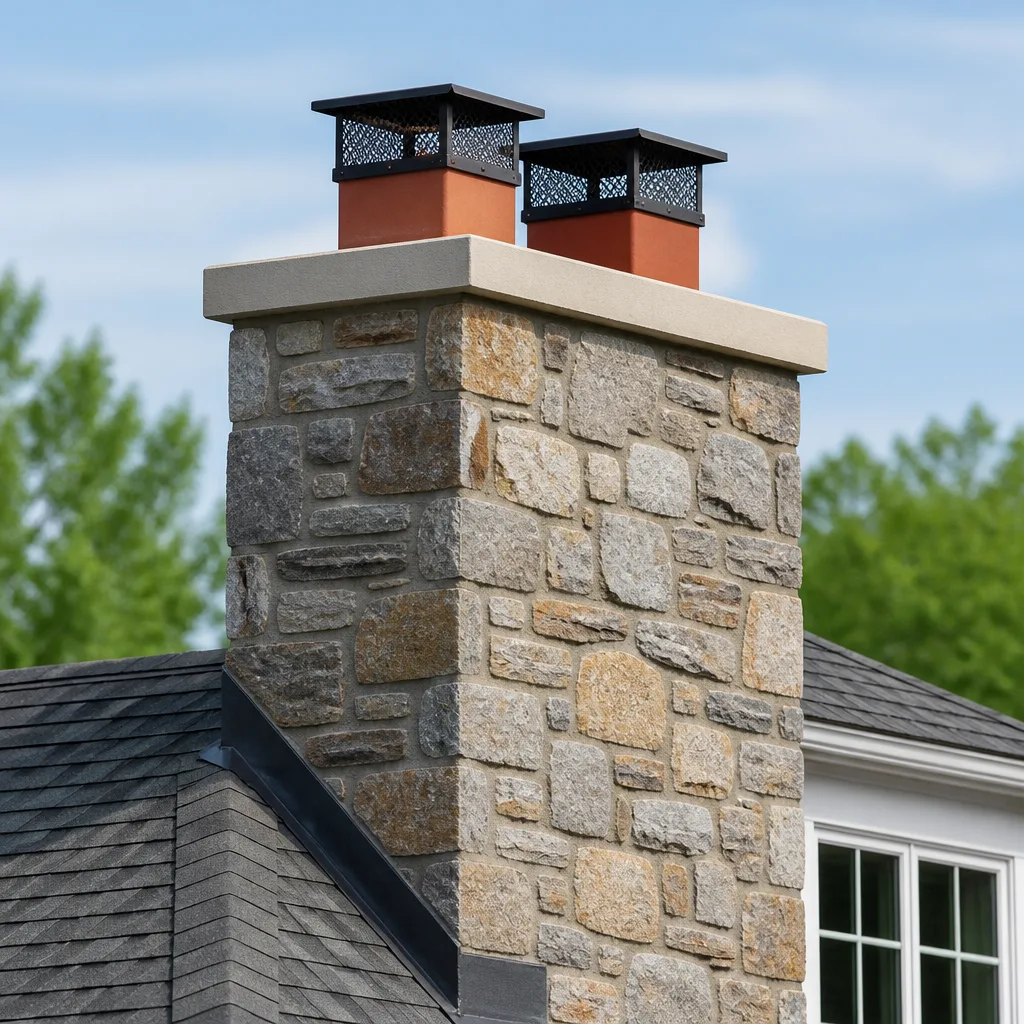 Caps & crowns
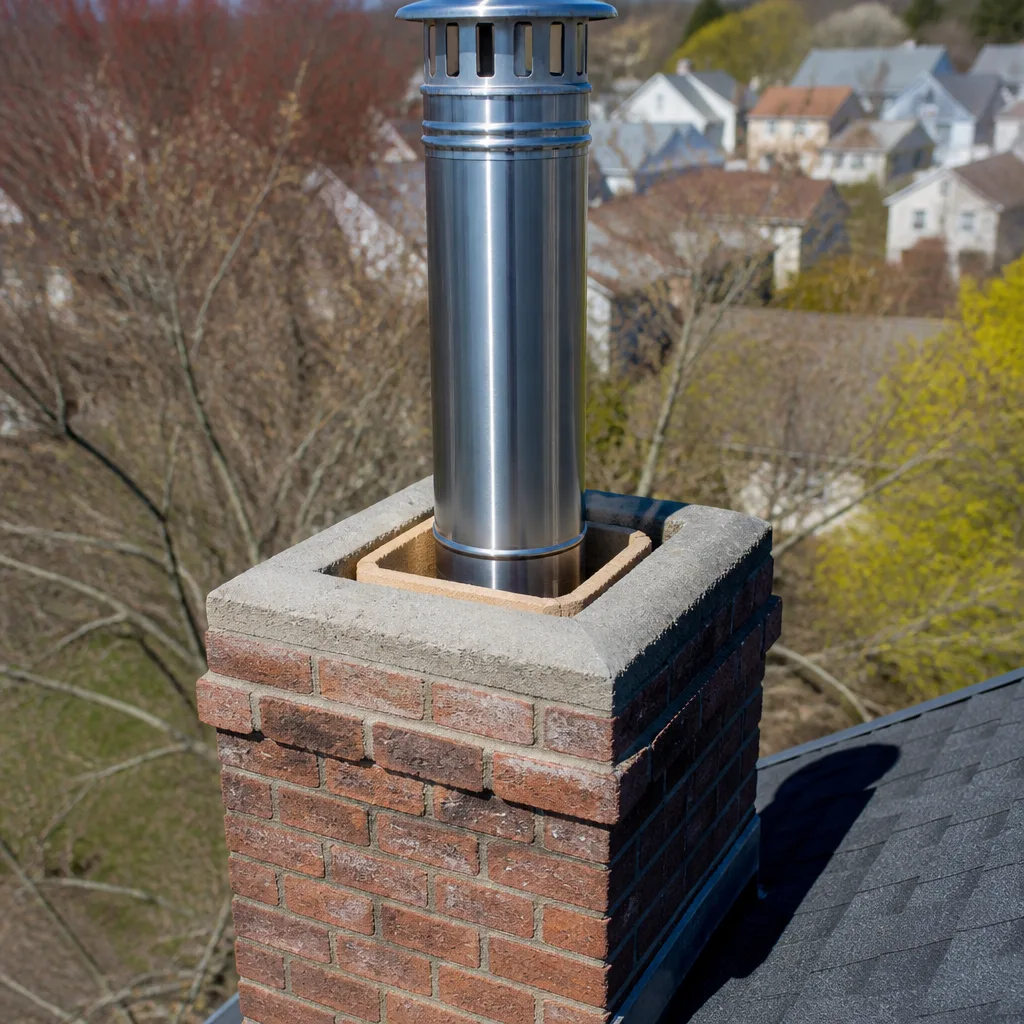 Flue relining
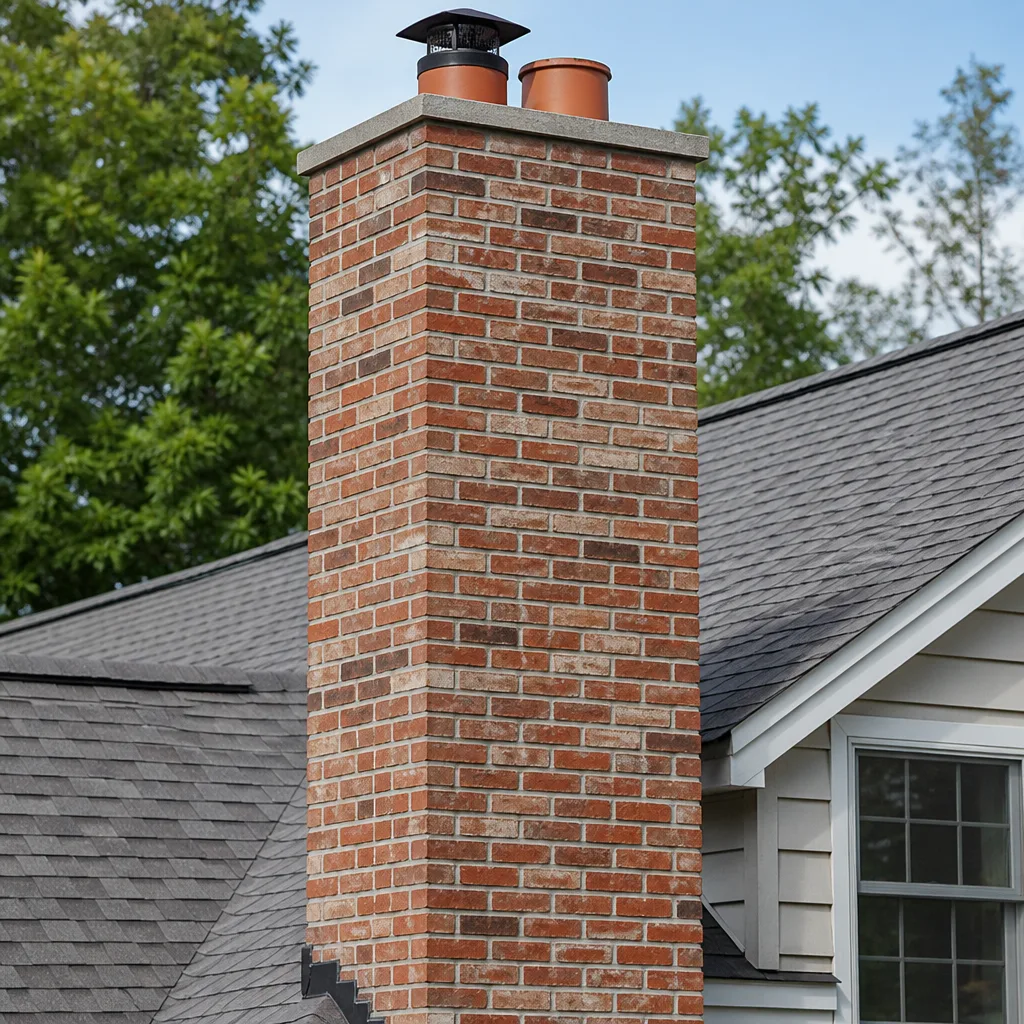 Masonry repair
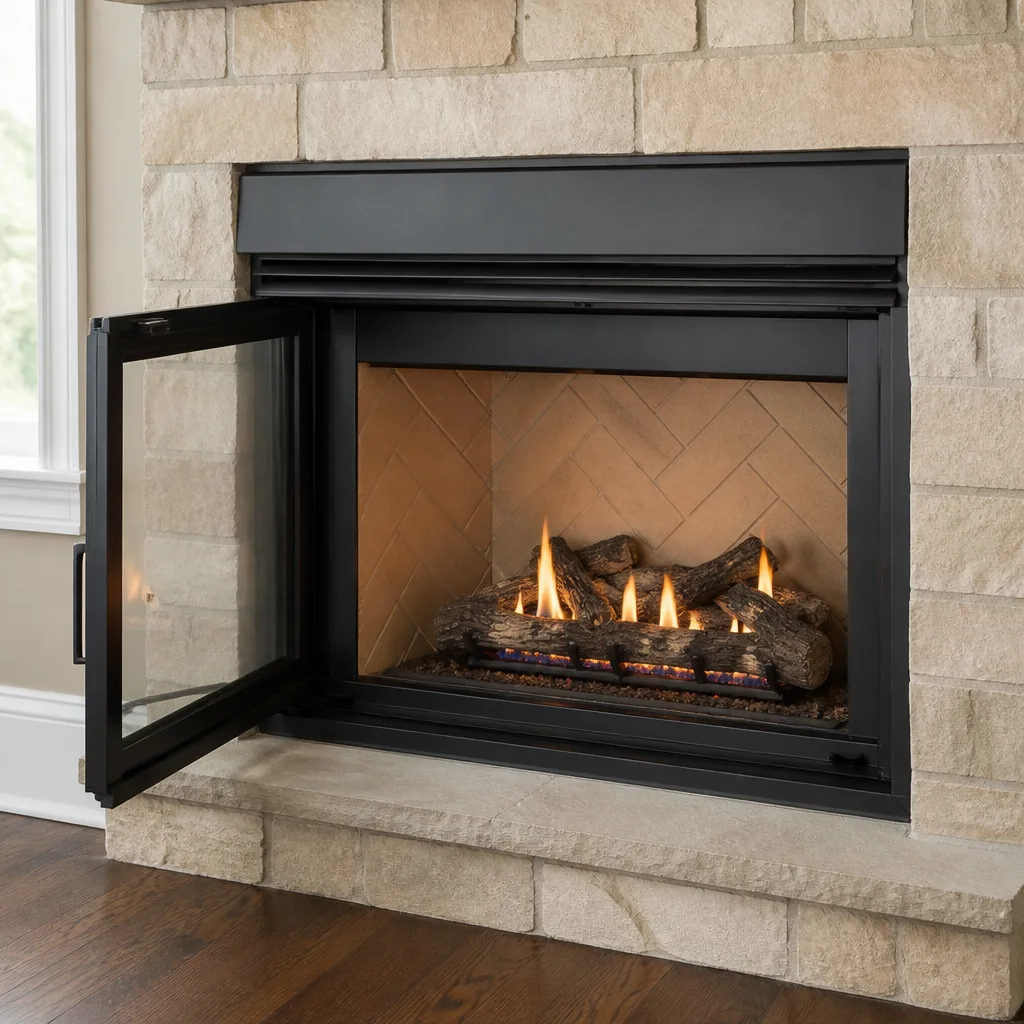 Gas fireplace service
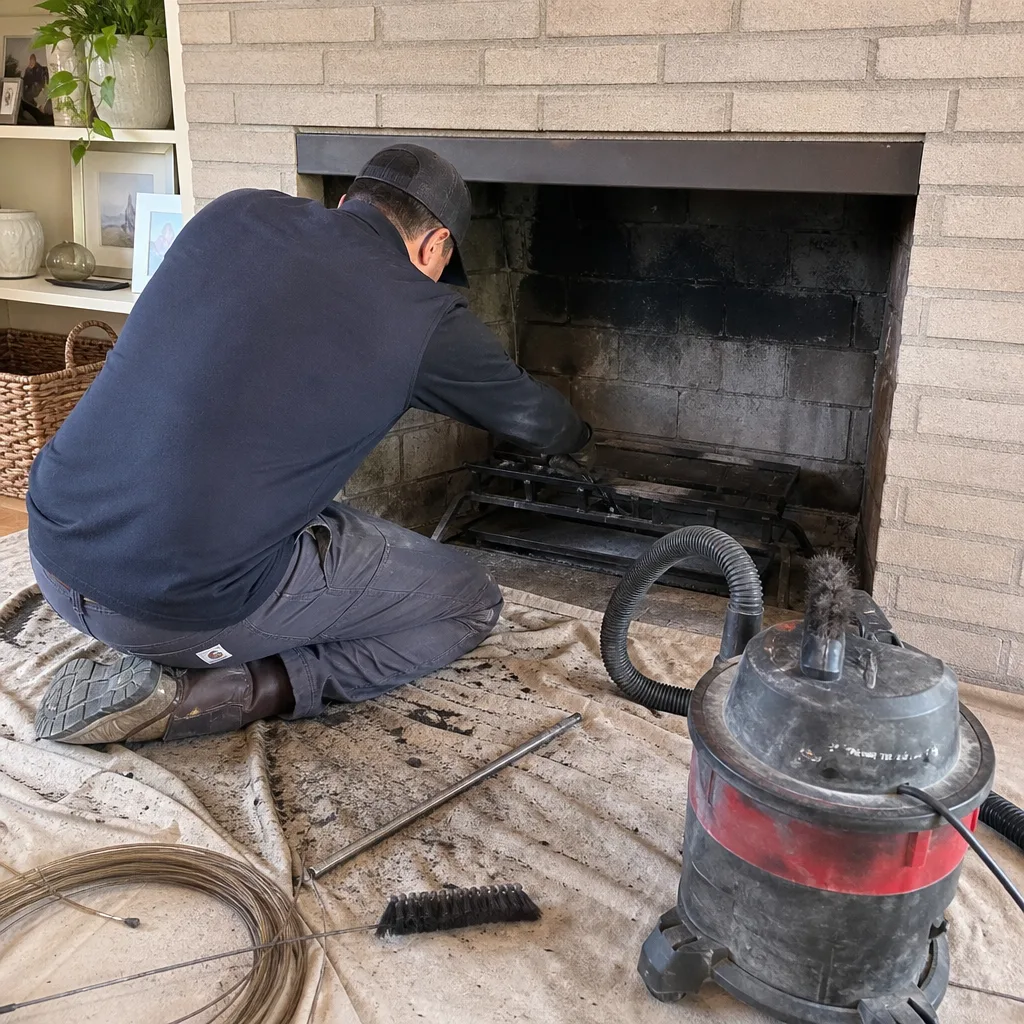
Level 1 sweep and inspection to the NFPA 211 annual standard - flue, crown, cap, and flashing checked and photographed
Chimney sweep logs do not sweep chimneys. They loosen some creosote - which then falls where a brush and vacuum still have to collect it.
Chimney Sweep Troubleshooting: Common Problems and How to Fix Them
If your chimney smokes back into the room only on windy days, the problem almost certainly isn’t creosote. It’s a pressure and height geometry issue that no amount of cleaning will fix. This guide walks through the most common chimney problems we see in Westminster homes, and more importantly, it tells you which ones a Chimney Sweep can solve and which ones run deeper. You’ll learn how to read the symptoms your chimney gives you, what a camera inspection actually reveals, and when you’re safe to keep burning versus when you need to stop and make a call.
Styles & brands we work with
- Sweep & inspection
- Caps & crowns
- Flue relining
- Masonry repair
- Gas fireplace service
Quick Answer
Most chimney problems fall into one of two categories: maintenance issues (creosote buildup, animal debris, soot accumulation) that a professional sweep solves, and structural issues (liner damage, negative air pressure, smoke shelf defects) that require repair. For a deeper look at what this involves, see our The Complete Chimney Sweep Guide for Westminster Homeowners. The symptom may look identical, but the fix is completely different. The fastest way to know which one you have is a Level 2 camera inspection, which shows the inside of the flue in real time.
Table of Contents
- Smoke Backdraft: When Your Fireplace Smokes Into the Room
- Smoke Smell When the Fireplace Is Closed
- Poor Draw: Why Your Fire Just Won’t Burn Right
- Visible Soot Staining Above the Fireplace Opening
- Negative Air Pressure: The Modern Home Problem
- Odor Diagnosis: Creosote vs. Animal vs. Water Decay
- Safe DIY Checks Before You Call a Specialist
- Common Mistakes to Avoid
- When to Call a Professional
- Frequently Asked Questions
- The Bottom Line
Smoke Backdraft: When Your Fireplace Smokes Into the Room
Backdraft is the single most common complaint we hear from homeowners in Westminster. The fire is lit, everything seems fine, and then a gust of wind or a shift in air pressure pushes smoke back into the living room. The immediate assumption is that the chimney is dirty. Sometimes that’s true. Often it isn’t.
Backdraft happens when the air pressure inside your home is lower than the pressure outside, so the chimney stops pulling upward and starts acting like a drain in reverse. The smoke follows the path of least resistance, which is into your room, not up the flue. The causes break down like this:
- Sweep-solvable: Heavy creosote buildup narrowing the flue passage, a bird’s nest or animal blocking the throat, or a damper that isn’t opening fully.
- Structural: A chimney that’s too short for the roof line, a flue that’s oversized for the fireplace opening, or a smoke chamber with sharp angles that creates turbulence instead of smooth upward flow.
- Environmental: Wind patterns around nearby trees, taller neighboring houses, or roof geometry that creates a downdraft zone directly above the chimney cap.
The fix depends on diagnosis. We start with a visual inspection and a camera run up the flue. If we find creosote, a cleaning may solve it. If the flue is clean but the problem persists on windy days, we look at chimney height, cap design, and the relationship between the fireplace opening and the flue diameter. In Westminster, where many homes were built between the 1950s and 1980s, undersized chimneys and smoke shelves built to old dimensions are common. Those aren’t dirty chimney problems. They’re geometry problems.
Smoke Smell When the Fireplace Is Closed
A smoke odor coming from a fireplace you haven’t used in days, weeks, or even months is a different animal than backdraft during a fire. The causes split into three distinct tracks, and each has its own fix.
Creosote dampness. Creosote is hygroscopic, which means it absorbs moisture from the air. In Westminster’s coastal-influenced climate, summer humidity and winter dampness can make creosote deposits release a persistent, acrid smell that moves down the flue and into the room. This is especially common in homes where the fireplace is used seasonally and the chimney sits damp for months between burns. The fix is a thorough sweep, often combined with a flue inspection to check for cracks where moisture is entering.
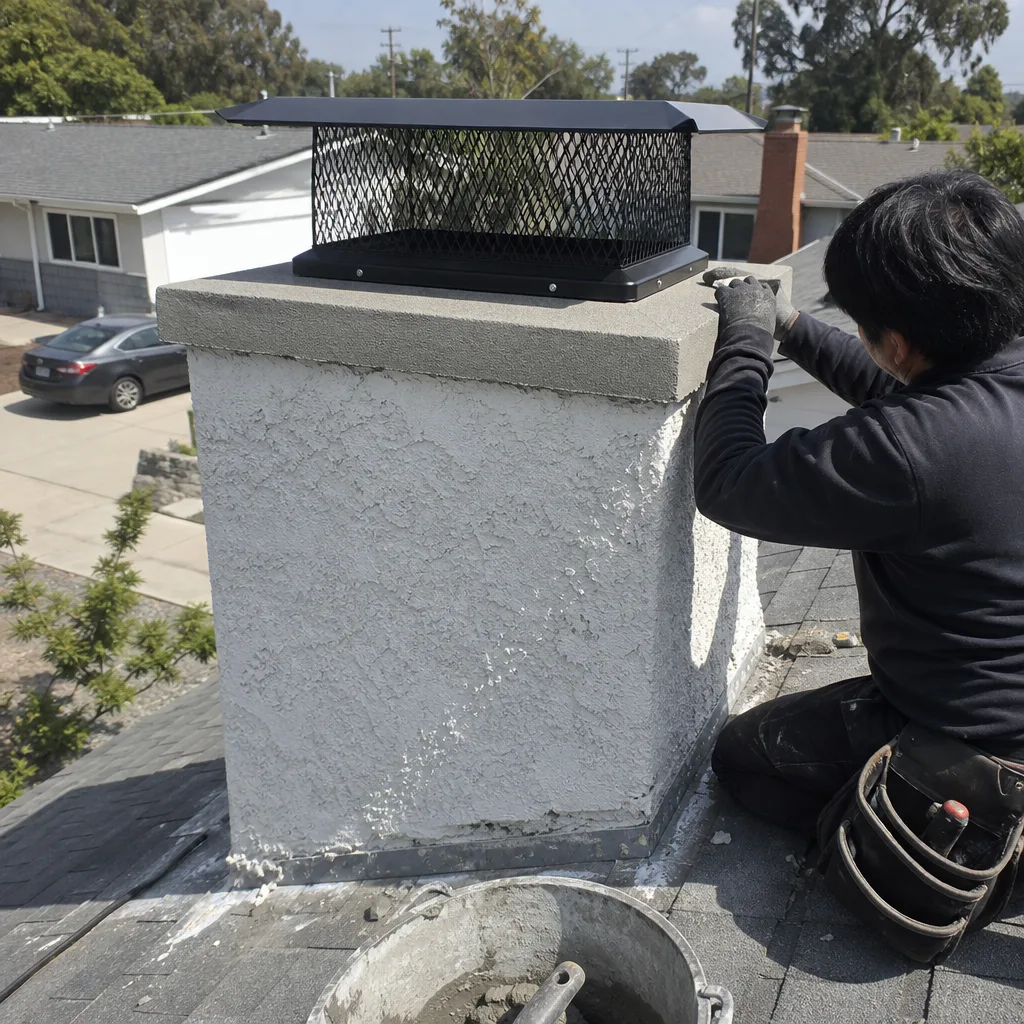
Animal intrusion. Birds, squirrels, and raccoons find chimneys attractive. A nesting animal doesn’t just block the flue, it leaves droppings, food debris, and sometimes dies inside the flue. That odor is unmistakable once you know what you’re smelling: it’s sharp, organic, and it doesn’t fade with weather changes. The fix is removal, cleanup, and a proper cap installation to prevent re-entry.
Water decay. If the smell is musty rather than smoky, water is getting into the chimney structure somewhere. A cracked crown, damaged flashing, or missing chimney cap lets rainwater seep into masonry and the flue liner. Over time, that water breaks down creosote residues and rots any organic material present, producing a damp, earthy smell. This is not a cleaning problem. It’s a Chimney Repair in Westminster issue that needs a structural fix.
We’ve had Westminster homeowners call us after spending months trying deodorizers, air fresheners, and even sealing the fireplace opening with plastic. None of that addresses the source. If you can smell smoke from a cold fireplace, something is physically in that flue or structurally wrong with that chimney.
Poor Draw: Why Your Fire Just Won’t Burn Right
A fire that struggles to catch, burns sluggishly, or produces more smoke than flame is suffering from poor draw. The chimney isn’t pulling combustion air through the fire and up the flue efficiently. Before you blame the firewood, consider these factors.
Flue size relative to fireplace opening. Older Westminster homes sometimes have fireplaces that were rebuilt or resized over the years. If someone expanded the fireplace opening without resizing the flue, the flue can’t move enough air for the firebox volume. The result is a lazy fire and smoke that lingers at the top of the opening. This is a structural mismatch, not a cleaning issue.
Smoke chamber design. The smoke chamber sits between the firebox and the flue. Its job is to funnel smoke smoothly into the flue. If the chamber has sharp angles, corbelled brickwork that protrudes into the airflow, or degraded mortar, it creates turbulence. Smoke stalls, rolls back, and seeps into the room. Many homeowners in Westminster have been told their chimney just needs “another cleaning” when what it actually needs is a smoke chamber parging with a product like HeatShield to smooth the airflow path.
Damper issues. A damper that doesn’t open fully, is warped from years of heat, or has fallen partially off its mountings restricts airflow at the exact point where the fire needs it most. We check the damper on every visit because it’s the cheapest fix with the biggest impact on draw.
Makeup air starvation. Modern homes in Westminster built or weatherized in the last 15 years are often sealed tight for energy efficiency. A fire needs air. If the house can’t supply it, the chimney can’t pull it. This ties directly into the negative pressure issue covered below.
Visible Soot Staining Above the Fireplace Opening
Soot stains on the wall above your fireplace, on the mantle, or on the ceiling near the chimney are a diagnostic clue, not just a cosmetic annoyance. They tell you exactly where the smoke is exiting instead of going up the flue.
Light staining in a narrow band directly above the opening typically means the fire is too far forward in the firebox, the grate is positioned incorrectly, or the fire is being built too large for the firebox depth. Smoke rises off the fire, misses the throat opening, and rolls out over the lintel. This is often a usage problem.
Staining that extends wider, or appears inconsistently across the wall, suggests intermittent backdraft from pressure imbalances or wind conditions. You’ll notice it’s worse on certain days, which matches the pattern of negative pressure episodes rather than a constant problem.
Dark, greasy streaks that feel sticky to the touch are creosote-laden condensation. This happens when the flue gases cool too quickly before exiting the chimney. An uninsulated flue in an exterior chimney wall, common in some Westminster homes, lets the gases condense on the way up, and what drips back down leaves a residue that no wall cleaner fully removes without the underlying issue being addressed first.
The stain itself can be cleaned, but if you don’t diagnose why the smoke is exiting at the opening, you’ll be repainting that wall every season. We look at the staining pattern during the inspection because it’s one of the most revealing pieces of evidence about how your chimney actually behaves.
Negative Air Pressure: The Modern Home Problem
If your chimney misbehaves only when your furnace kicks on, your kitchen exhaust fan runs, or your laundry dryer is working, the culprit is negative air pressure. This is now the leading cause of backdraft in Southern California houses, and Westminster is no exception.
Here’s what happens. A sealed, weatherized home holds its air. When any exhaust appliance runs, a furnace, a bathroom vent, a range hood, a clothes dryer, it pulls air out of the living space. That creates a slight vacuum. The chimney, which is an opening to the outside, becomes the path where outside air tries to rush back in. When you have a fire going, that inrush pushes smoke back down the flue and into the room.
The diagnostic sequence for negative pressure goes like this:
- Light a fire and let it establish for ten minutes.
- Turn on every exhaust appliance in the house at once: dryer, bathroom fans, range hood, furnace.
- Watch the fireplace. If smoke begins to push back into the room, you have a makeup air problem.
- Open a window near the fireplace an inch or two. If the backdraft stops immediately, you’ve confirmed it.
The long-term fixes include installing a makeup air system, upgrading to a direct-vent fireplace that draws combustion air from outside, or adjusting the chimney height and cap to create stronger natural draft that resists pressure reversal. There’s no cleaning that fixes this. We see it constantly in newly renovated Westminster homes where energy upgrades sealed the house without accounting for combustion air needs.
Odor Diagnosis: Creosote vs. Animal vs. Water Decay
Not all chimney odors are smoke. Knowing which one you’re smelling determines whether you need a sweep, an animal removal, or a repair. Here’s the breakdown we use on every odor complaint.
Creosote odor is sharp and acrid. It intensifies on humid days and after rain. You’ll notice it more when the house is closed up, because the flue is breathing damp air that passes over the creosote deposits. This is the most common smell in homes that burn wood regularly but haven’t been swept in multiple seasons. A professional sweep removes the source, and the odor usually disappears within a day or two afterward.
Animal odor is biological. It smells like decay, or like a barn, or sometimes like urine. It doesn’t get better on dry days and it doesn’t respond to airflow changes. If you hear scratching, chirping, or flapping sounds, that confirms it. The fix is removal, cleanup, and a proper cap. We’ve removed nests from chimneys in Westminster in every month of the year, and the smell a dead animal leaves in a flue is not something any homeowner should attempt to handle themselves.
Water decay odor is musty and earthy. It smells like a damp basement, even in summer. It comes from water penetration through a cracked crown, failing flashing, or a damaged liner. The water soaks into the masonry and any creosote residue, and the smell travels down into the house. This is a structural problem, and it’s one of the cases where a Chimney Sweep in Westminster visit becomes the first step toward a repair diagnosis, because we camera the flue to find exactly where the water is coming in.
Safe DIY Checks Before You Call a Specialist
There are a handful of things you can check yourself before picking up the phone. These are safe, non-invasive observations that give us useful information when you call.
- Look up the flue with a flashlight. From the firebox, shine a bright light up the chimney with the damper open. You may see obvious blockages, heavy soot, or a damper that won’t open fully. You will not see the upper third of the flue, and you will not see liner cracks, but what you can see is still useful.
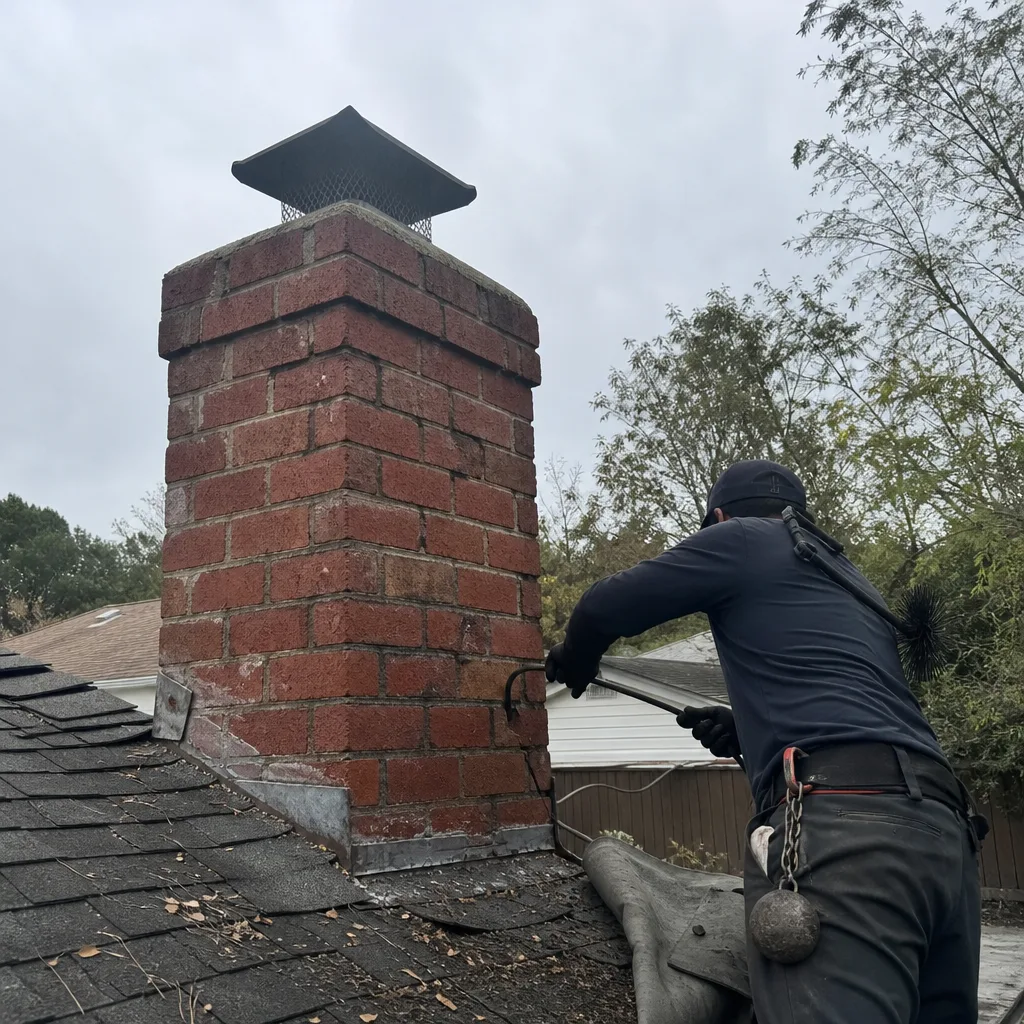
- Check the exterior from ground level. Walk around the house. Look at the chimney crown for cracks, the flashing for gaps, and the masonry for spalling or efflorescence. Use binoculars if you have them. Do not climb on the roof.
- Note the conditions when problems occur. Does the backdraft happen only on windy days? Only when the dryer runs? Only when the fire is first lit? Write down the pattern. It’s the single most helpful piece of diagnostic information you can bring to the table.
- Open a window and see what changes. If cracking a window near the fireplace immediately improves the draft, you’ve identified a makeup air problem without spending a dollar.
- Check your damper’s operation. Open and close it. Does it move smoothly? Does it stay open, or does it drift shut? A drooping damper is a cheap fix that causes real drafting problems.
What you should not do: scrape creosote out of the flue yourself. Creosote is flammable, toxic, and in its glazed form, it’s a serious removal challenge that requires professional tools and training. Disturbing it without proper containment spreads hazardous material through your home. You also should not attempt to reline a flue, repair a crown, or rebuild a smoke chamber. Those are structural repairs with fire safety consequences if done wrong.
Common Mistakes to Avoid
- Repeatedly sweeping a chimney with a structural problem. If the flue is oversized or the smoke chamber is rough, no amount of cleaning fixes the draft. You’re paying for the same service over and over while the real problem goes unaddressed. Get a camera inspection to find out which problem you actually have.
- Sealing the fireplace opening with plastic or fiberglass insulation. This traps moisture in the flue and accelerates creosote odor problems. It also creates a hidden fire hazard if anyone forgets the seal is there and lights a fire.
- Ignoring a smoke smell because “it’s always been like that.” A chimney that smells smoky when cold is telling you something. In Westminster’s damp winter months, the smell usually means creosote buildup or water entry, and both get more expensive the longer you wait.
- Running exhaust appliances during a fire. The dryer, the range hood, the bathroom fans. Any of them can reverse your chimney draft and push smoke into the room. It feels like a mystery because it only happens sometimes, but it’s predictable once you understand pressure.
- Burning unseasoned wood and blaming the chimney. Wet wood produces more smoke, less heat, and dramatically more creosote. If you’ve burned green wood for a season, your flue may be coated in record time. But even dry wood won’t fix a structural draw problem, so start with the wood and call if the problem continues.
- Assuming a new home means a functional chimney. We’ve inspected chimneys in Westminster housing tracts where the fireplaces were never properly sized, or where the builders left debris in the smoke chamber. New construction is not a guarantee of a correctly working chimney.
- Putting off liner repair after a camera inspection shows damage. A cracked flue liner lets heat and gases reach combustible materials around the chimney. The repair cost now is a fraction of the cost of a chimney fire or smoke damage later.
When to Call a Professional
Call a professional if you’ve experienced any of the following: smoke entering your living space during a fire, a smoke smell from a cold fireplace that persists for more than a few days, visible soot staining that reappears after cleaning, sounds of animals in the chimney, signs of water damage on the ceiling or walls near the chimney, or a fire that struggles to burn properly even with dry wood. These are symptoms of specific underlying problems that need diagnosis, not another cleaning. We install materials the chimney industry trusts, DuraFlex, HeatShield, Copperfield, and more, because the fix needs to last. Chimney Repair Westminster home offers free estimates in Westminster, call (877) 358-3706.
Frequently Asked Questions
The National Fire Protection Association recommends a chimney inspection and cleaning at least once per year, and more often if you burn more than a cord of wood per season, burn unseasoned wood, or use the fireplace more than three times per week. In Westminster, where many homeowners burn seasonally rather than as a primary heat source, an annual sweep before the burning season is the baseline. For help selecting a qualified provider, read Choosing the Right Chimney Cleaning Brand: A Buyer’s Guide for Westminster.
You can, and many Westminster homeowners do, but a store-bought brush and rod kit doesn’t remove glazed creosote, doesn’t inspect the liner for cracks, and doesn’t tell you whether the accumulation pattern indicates a moisture or drafting problem. A professional sweep includes a visual and camera inspection that identifies structural issues before they become chimney fires. Call (877) 358-3706 for a free estimate.
Creosote builds up in stages. Stage one is flaky and removable. Stage three is glazed, rock-hard, and ignites at around 2,000 degrees. A chimney fire can crack the liner, transfer heat to wall framing, and push flames out the top of the chimney onto the roof. Beyond fire, skipped maintenance means moisture damage goes undetected, animals move in, and repair costs multiply. The chimney is the one part of the house where neglect has compounding consequences.
A sweep is the physical removal of creosote, soot, and debris from the flue. An inspection is the diagnostic process that evaluates the condition of the liner, the smoke chamber, the damper, the crown, the flashing, and the masonry. At Chimney Repair Westminster, the two happen together because cleaning a chimney without inspecting it is like changing oil without looking at the engine. A clean chimney and a sound chimney aren’t the same thing.
Summer humidity, even Westminster’s relatively mild version, makes creosote deposits release their odor more strongly. It’s the same chemical process that makes damp creosote smell like a campfire that never went out. If you notice a strong odor in summer, you likely have creosote buildup that needs removal, and possibly moisture entry that’s making it worse.
Yes. Gas fireplaces produce water vapor and acidic combustion byproducts that can deteriorate flue liners faster than wood exhaust. They also still need venting checks to make sure carbon monoxide is leaving the house properly. A gas fireplace doesn’t create creosote, but it creates its own set of maintenance issues, and the venting system needs the same annual inspection.
Not directly, but the two systems interact through your home’s air pressure balance. A dryer pulling air out of the house can reverse the draft in your chimney. And a clogged dryer vent is, by itself, one of the leading causes of house fires in the country. That’s why we offer Dryer Vent Cleaning in Westminster as part of a whole-home fire safety review. Our technicians handle both systems, so they see the interaction.
The Bottom Line
Chimney problems are diagnostic puzzles, and symptoms repeat across different root causes. Backdraft can be creosote or pressure. Smoke smell can be creosote, animal, or water damage. Soot staining can be usage, draft, or condensation. The only way to know which one you have is to look inside, and the only way to look inside is with a camera inspection performed by someone who knows what they’re seeing. From sweep to structural repair, handled by one team. We diagnose what we find and fix it on the same call when possible. If you’re in Westminster and something isn’t right with your chimney, call (877) 358-3706 for a free estimate.
Written by the team at Chimney Repair Westminster, serving Westminster since 2012.
See the difference
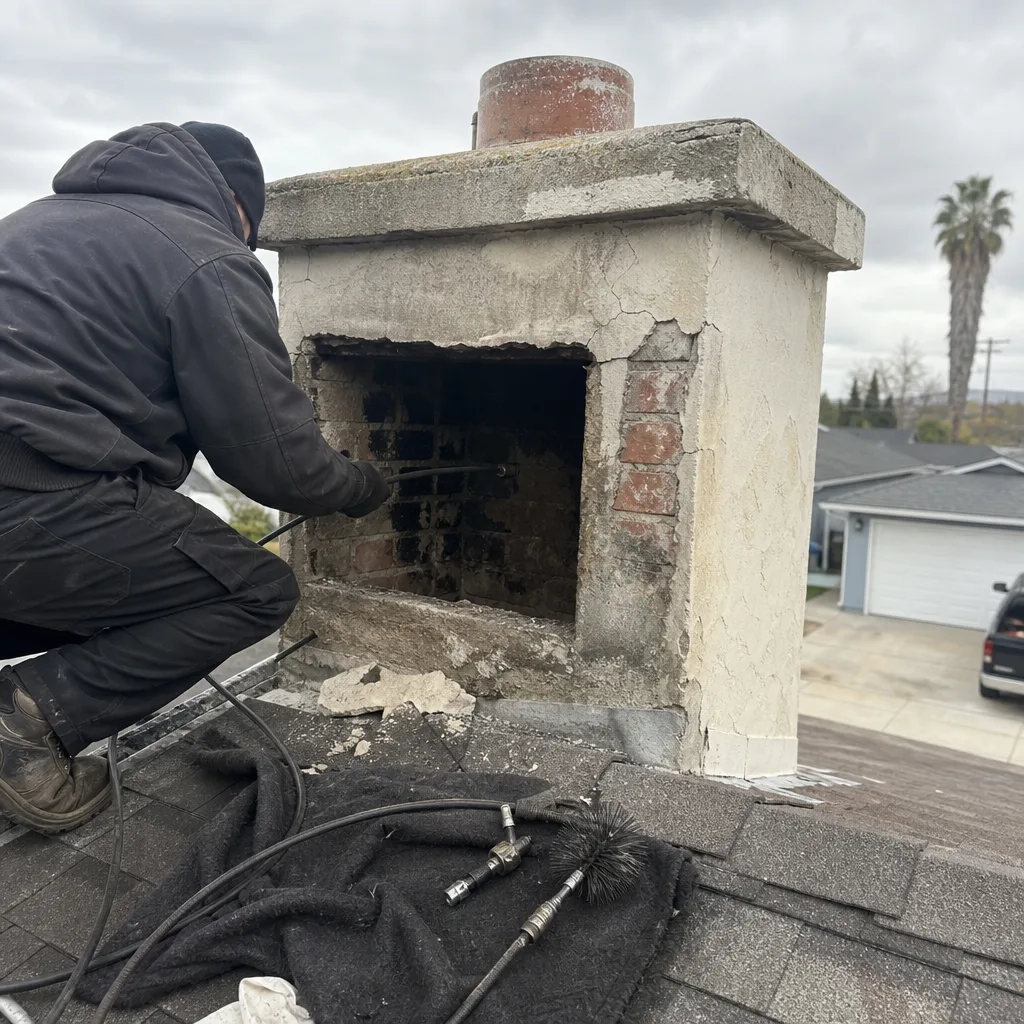 Before
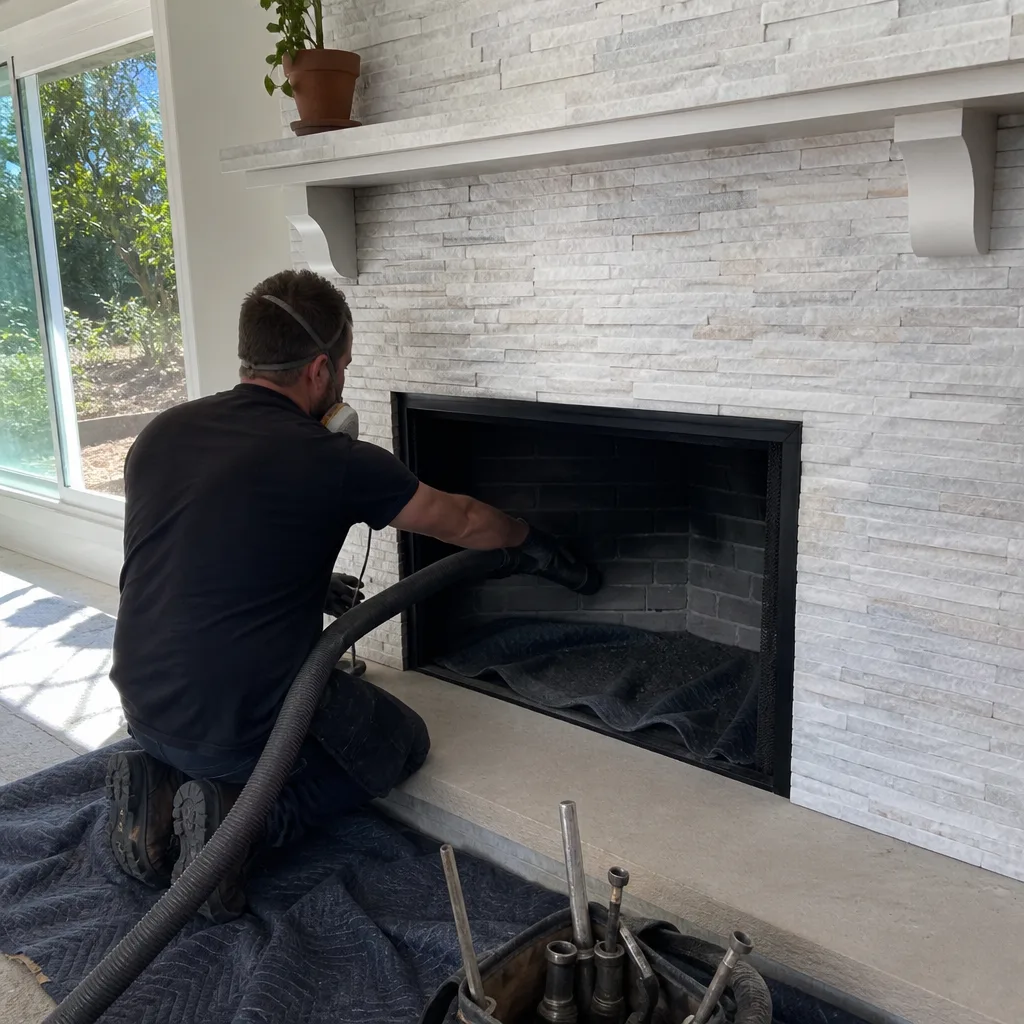 After
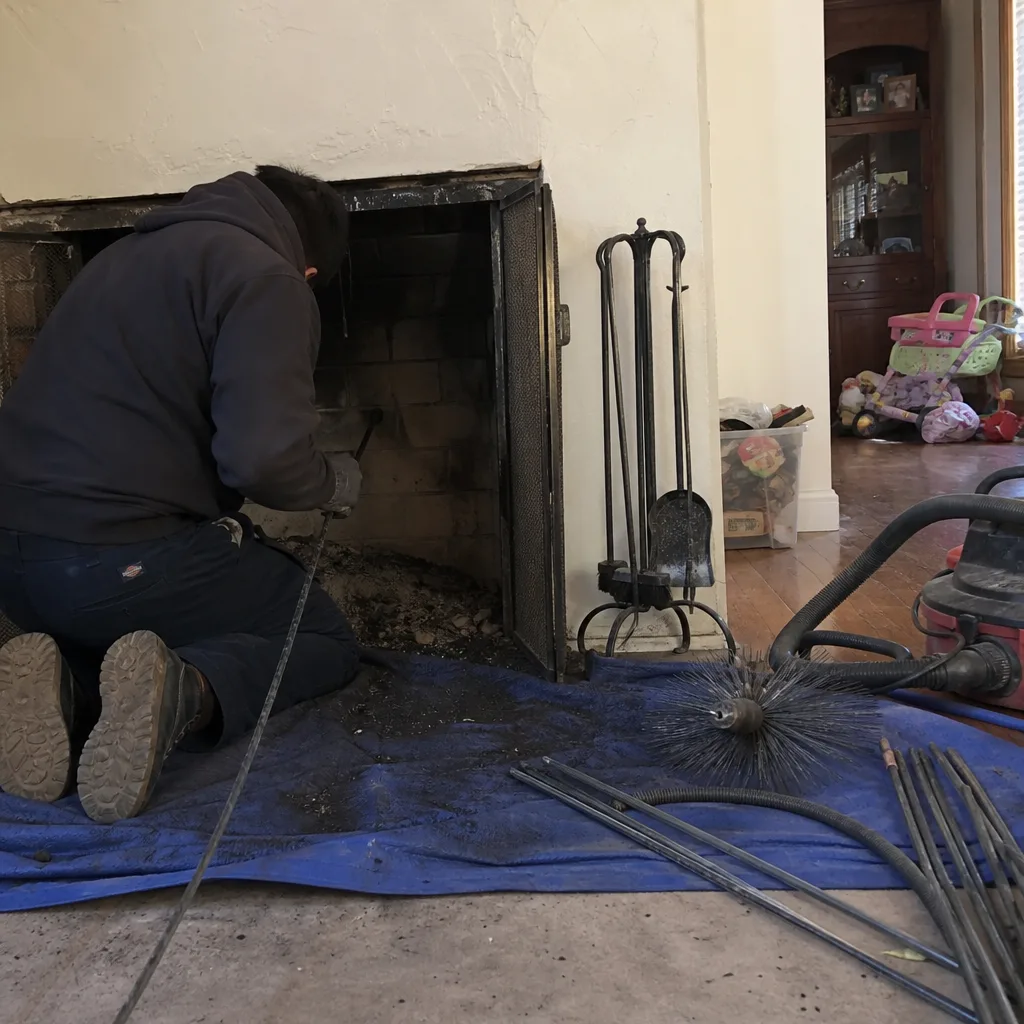 Before
 After
 Before
 After