
Last updated November 3, 2026
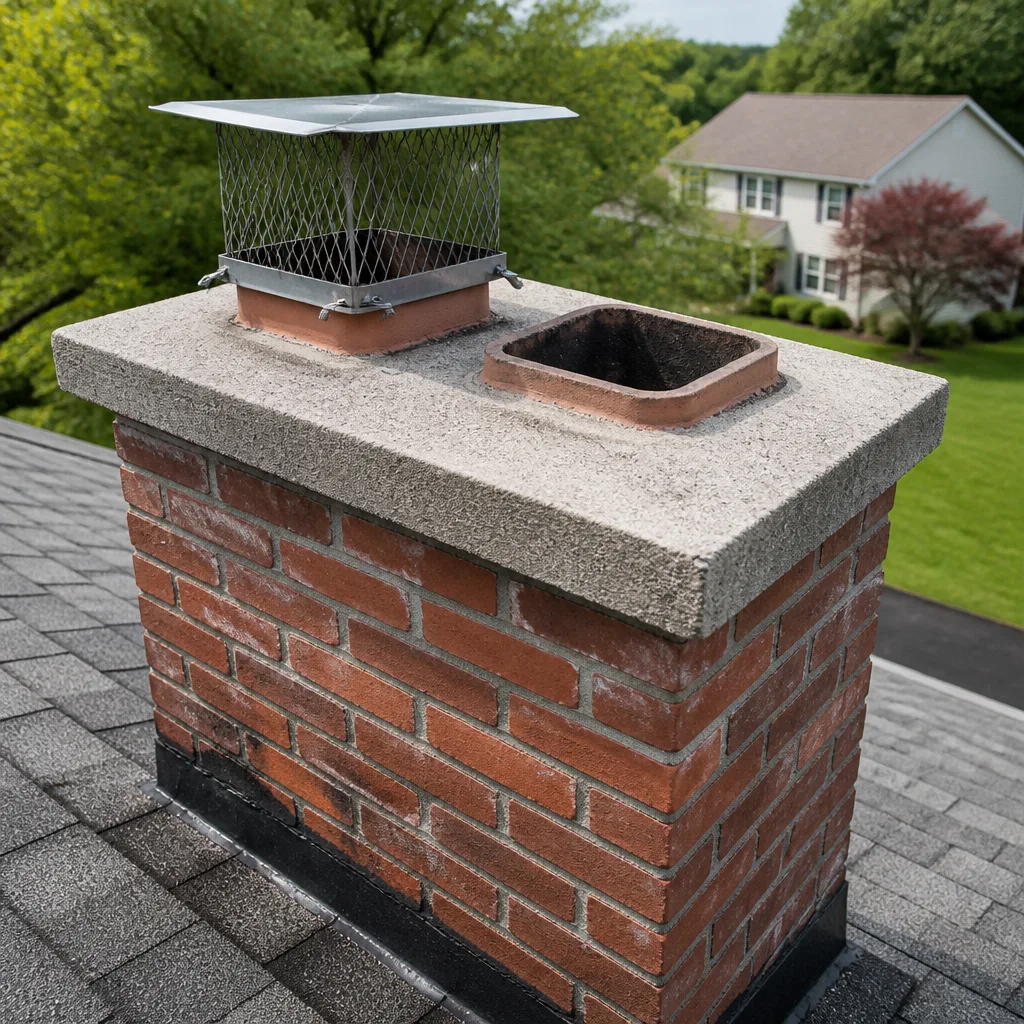 Sweep & inspection
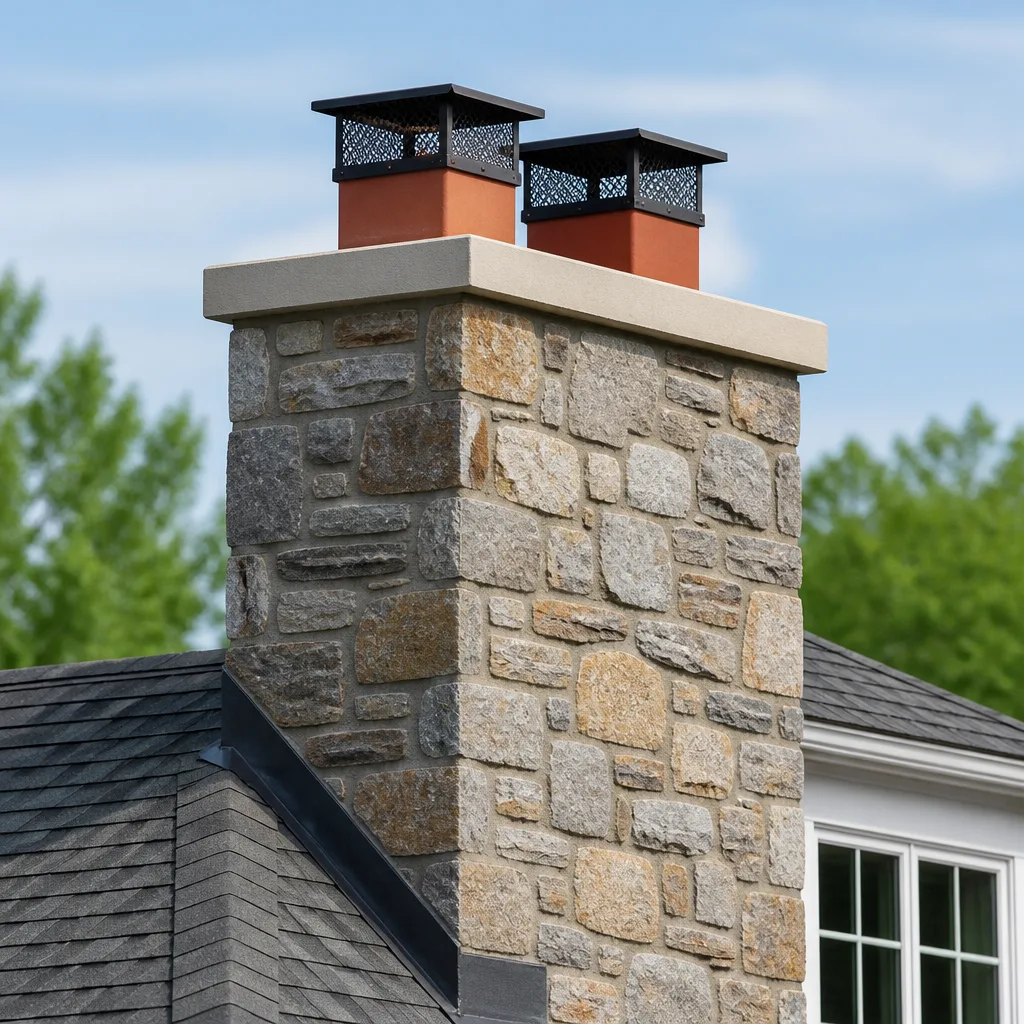 Caps & crowns
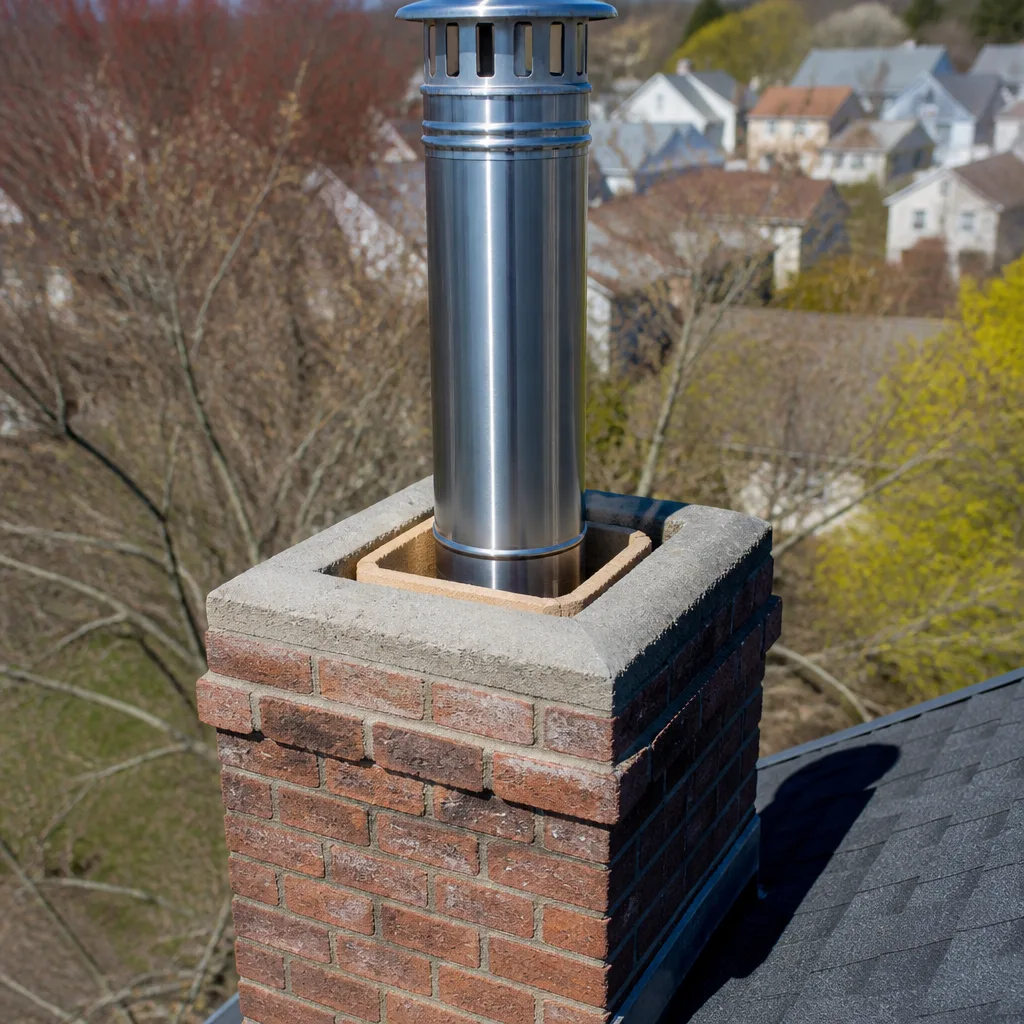 Flue relining
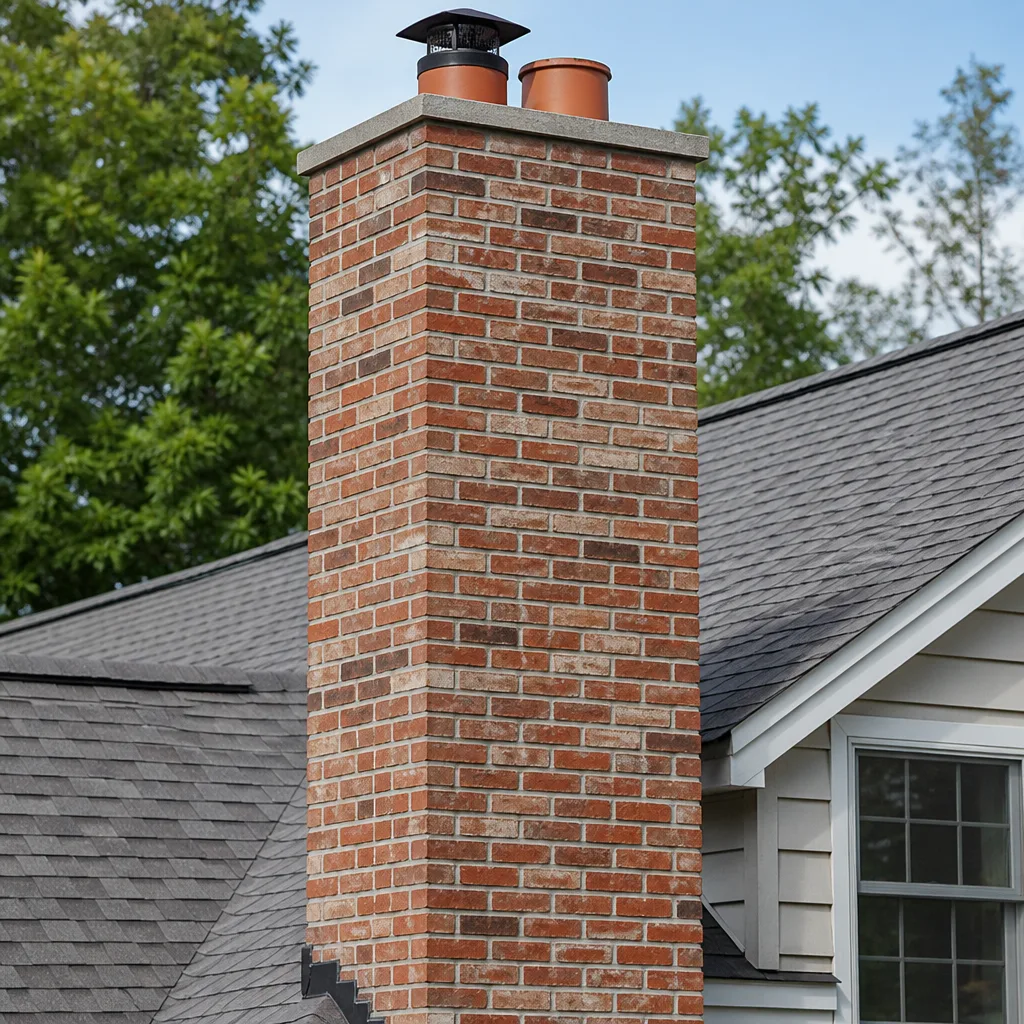 Masonry repair
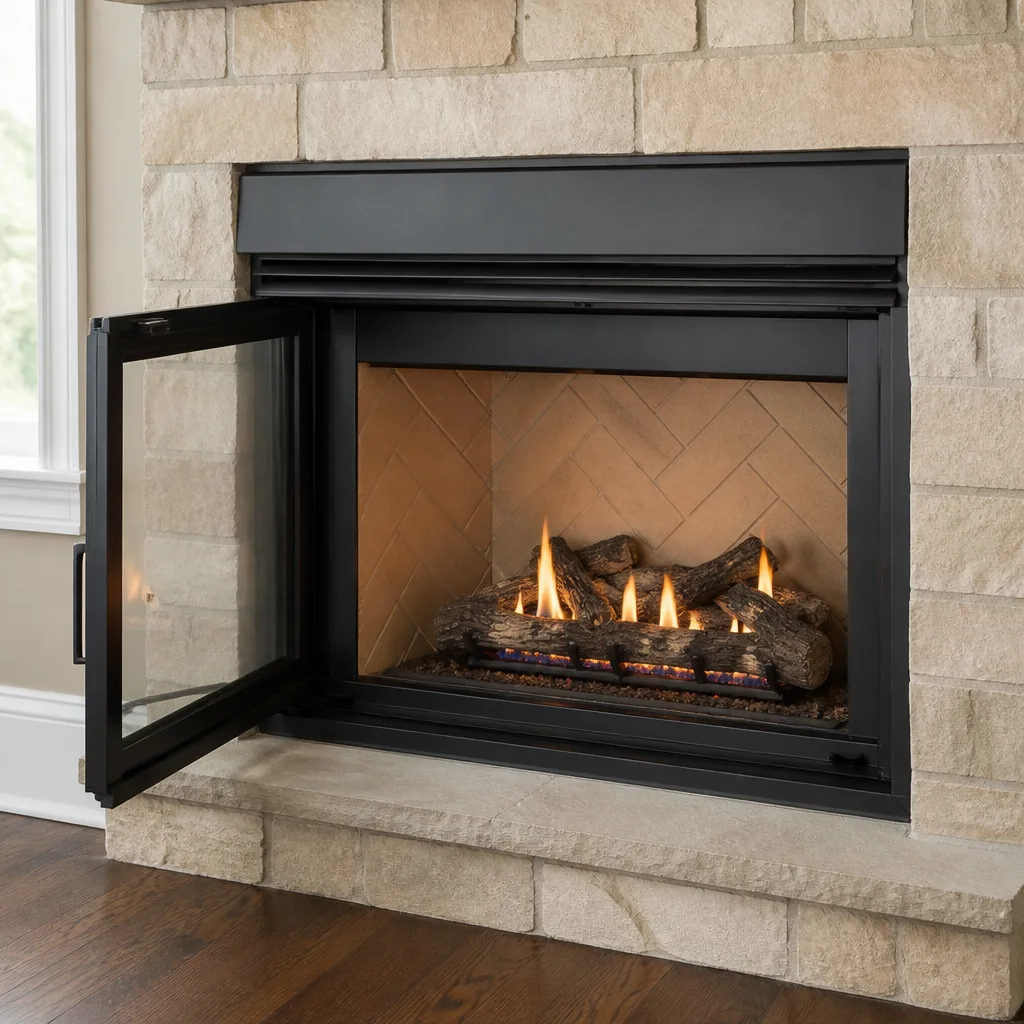 Gas fireplace service
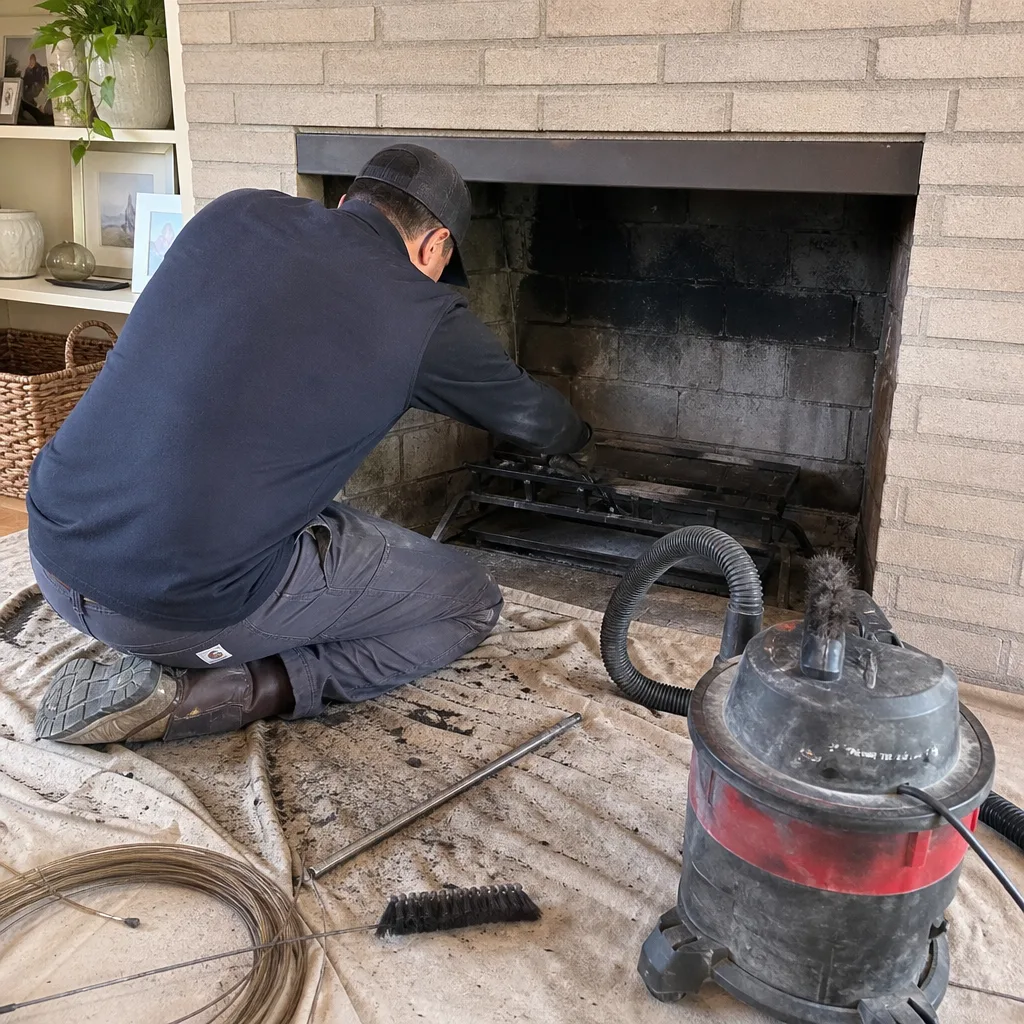
Level 1 sweep and inspection to the NFPA 211 annual standard - flue, crown, cap, and flashing checked and photographed
Chimney sweep logs do not sweep chimneys. They loosen some creosote - which then falls where a brush and vacuum still have to collect it.
The Complete Chimney Sweep Guide for Westminster Homeowners
Most Westminster homeowners use their fireplace fewer than 10 times a year. That sounds safe, but it’s actually the opposite of reassuring. Short, low-heat burns produce incomplete combustion, and incomplete combustion deposits sticky Stage 2 creosote faster than the long, hot fires common in colder climates. If you’re in Westminster and haven’t had your chimney swept in the last two or three years, you’re likely further behind on maintenance than you think. This Complete Guide to Chimney Cleaning in Westminster explains what a proper sweep actually covers, what our coastal air does to chimney systems, and how to know when you need more than a brush through the flue. You’ll learn how to read an inspection report, what a Level 2 inspection genuinely requires, and how to document your chimney’s service history for insurance purposes.
Styles & brands we work with
- Sweep & inspection
- Caps & crowns
- Flue relining
- Masonry repair
- Gas fireplace service
Quick Answer
A professional chimney sweep in Westminster, CA typically costs between $180 and $340 and includes a full inspection of the flue liner, firebox, smoke chamber, and cap or crown. Westminster homeowners should schedule a sweep at least once per year if they burn wood more than a dozen times annually, or every two years for light seasonal use. The reason is simple: even occasional fires deposit creosote, and Westminster’s marine air accelerates the corrosion of dampers and mortar joints that a sweep-only company might never flag.
Table of Contents
- Why Westminster’s Fireplace Habits Create a Different Kind of Creosote
- What a Proper Sweep Actually Covers: Four Components, Not One
- Marine Air, Mortar, and Rust: The Westminster Structural Factor
- Level 1 vs. Level 2 Inspections: What You’re Actually Paying For
- Documenting Your Service History for Insurance and Resale
- When Repair Goes Beyond Sweeping: Liners, Crowns, and Smoke Chambers
- The Dryer Vent Connection Westminster Homeowners Overlook
- Common Mistakes to Avoid
- When to Call a Professional
- Frequently Asked Questions
- The Bottom Line
Why Westminster’s Fireplace Habits Create a Different Kind of Creosote
Here’s the counterintuitive part: the homeowner who burns one fire every other weekend in December and January often has a dirtier chimney than someone in Minnesota who burns every night from November to March. Daily burners develop hot, consistent fires that push creosote out as vapor before it can condense. Westminster’s pattern of short, occasional fires means the flue never gets truly hot. Smoke lingers at lower temperatures. Creosote condenses on the flue walls as a thick, tar-like glaze that’s notably harder to remove than the flaky Stage 1 deposits you’d find in a heavily used fireplace.
We’ve swept flues in Westminster where a year of light use produced a quarter-inch of dense, shiny creosote. That’s not neglect on the homeowner’s part. It’s chemistry. Low-temperature fires in a coastal climate, where the air itself carries more moisture, create exactly the conditions creosote loves. The moisture in Westminster’s air gets pulled into the flue as the fire draws, cooling the smoke just enough to accelerate condensation.
What this means for scheduling is straightforward:
- Burning 12 or more fires per year: sweep every year, ideally in late summer or early fall before the season starts.
- Burning 5 to 11 fires per year: sweep every two years at minimum, with an annual visual check of the damper and firebox.
- Burning fewer than 5 fires per year: still sweep every two to three years. Creosote doesn’t disappear when the fireplace sits idle. It cures, hardens, and becomes more difficult to remove.
- Gas fireplace only: sweep the venting system every three to five years, but have the logs and gas line checked annually.
The type of wood matters more in Westminster than it does in drier climates. Coastal humidity means oak and eucalyptus sold locally often have higher internal moisture content than the same species sold inland. Wet wood smolders. Smoldering wood creates more smoke. More smoke means more creosote. If you’re buying firewood in Westminster, ask the seller about seasoning time and moisture content. Anything above 20% moisture is going to cost you in creosote deposits.
What a Proper Sweep Actually Covers: Four Components, Not One
Most homeowners think a chimney sweep means running a brush up the flue. That’s part of it. But a sweep that only addresses the flue liner is an incomplete service, and it’s one of the reasons we recommend choosing a company that treats the chimney as a connected system. A proper sweep in Westminster should assess four distinct components. Skip any one of them, and you’re left with an assessment that could miss something serious.
- The flue liner. This is the tube that carries smoke and gases from the firebox to the outside. Creosote accumulates here, but so do cracks, spalling, and separation in clay tile liners. A brush removes the creosote. An inspection during the sweep identifies whether the liner is still doing its structural job. A cracked liner isn’t a cleaning problem. It’s a fire and carbon monoxide risk inside the walls of your home.
- The firebox. This is where the fire actually burns. Firebrick and refractory mortar take direct heat stress. In Westminster, where homes see occasional use rather than constant thermal cycling, firebox damage tends to show up as hairline cracks that homeowners never notice. During a sweep, the firebox should be checked for cracked bricks, deteriorating mortar joints, and improper clearance at the hearth.
- The smoke chamber. This is the angled transition area above the firebox and below the flue. It’s also the most overlooked part of the chimney system. Smoke chambers are notoriously difficult to clean without specialized equipment, and years of creosote can accumulate there even when the flue liner looks acceptable. A proper sweep includes smoke chamber attention. If the sweep doesn’t mention the smoke chamber, ask why.
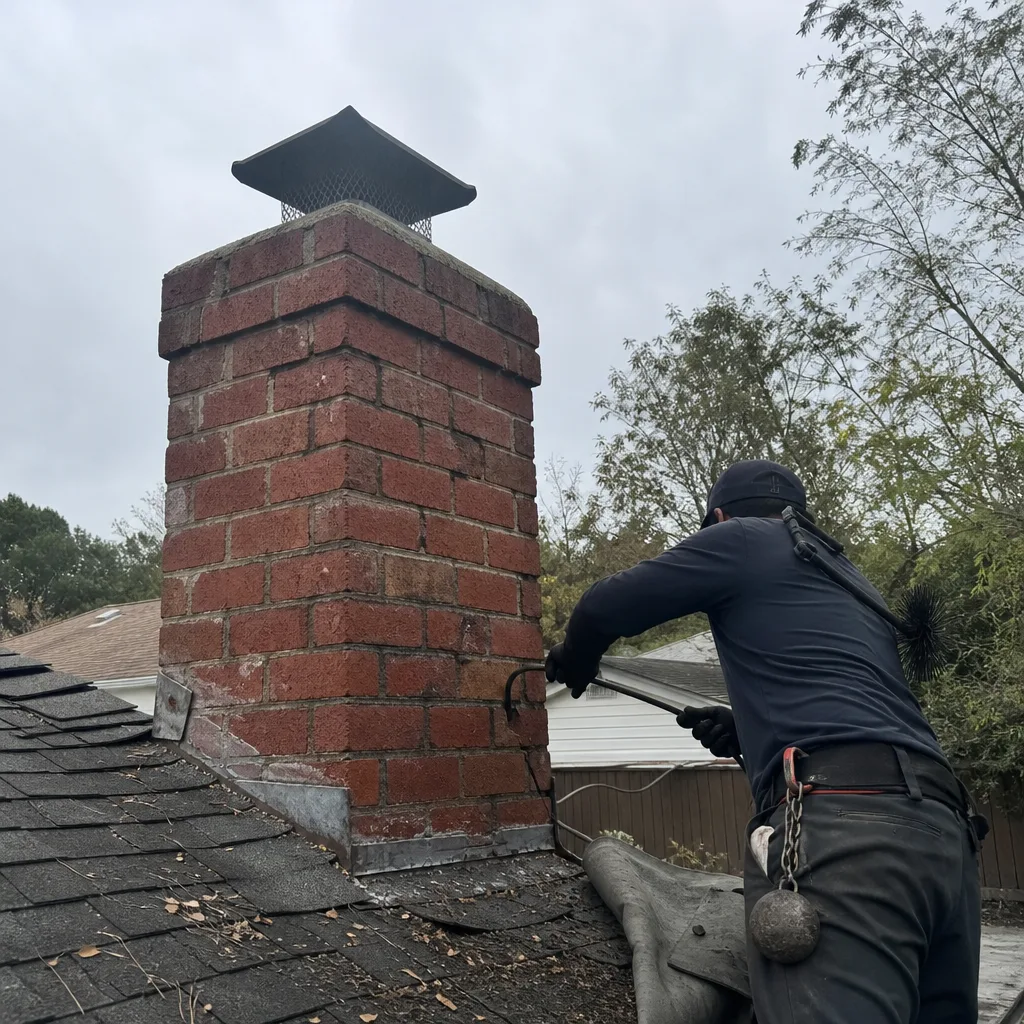
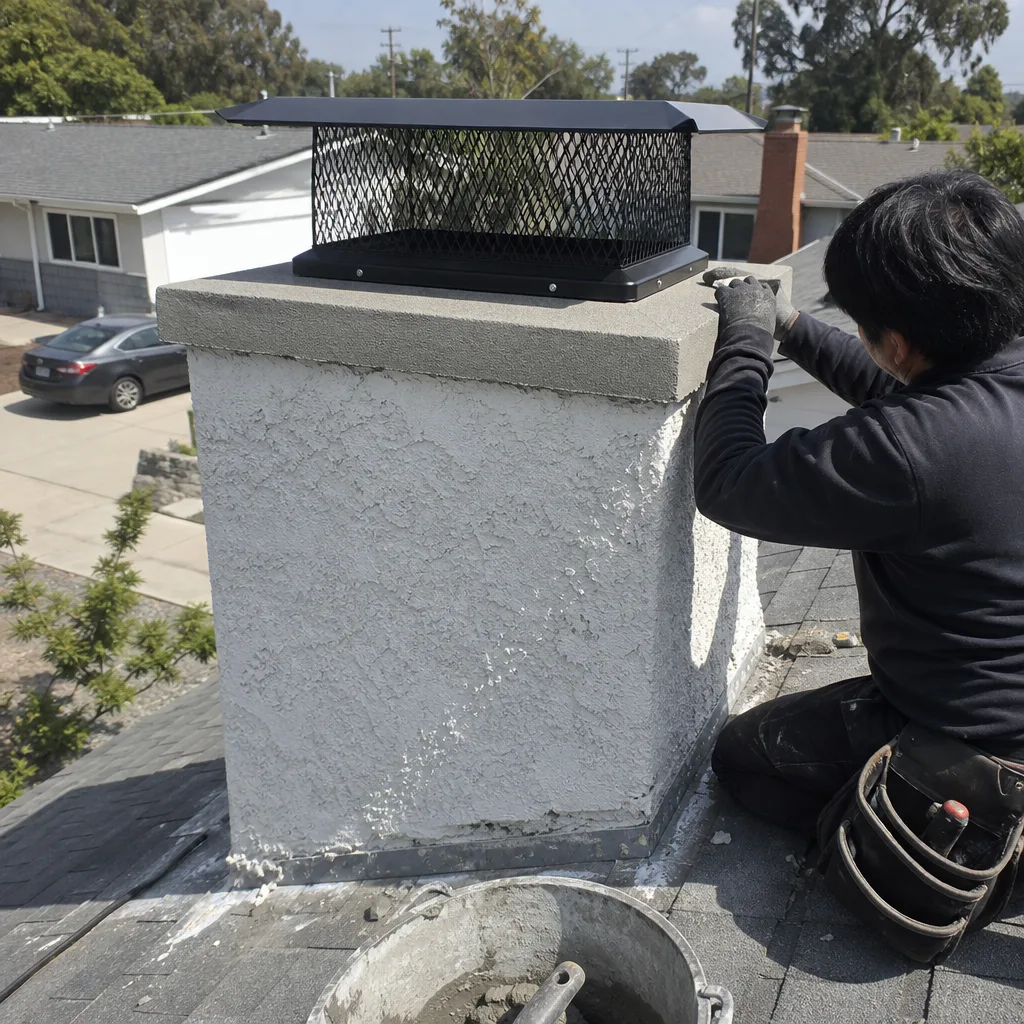
- The cap and crown. At the top of the chimney, the crown is the concrete or mortar surface that sheds water. The cap is the metal cover that keeps rain, birds, and debris out. Westminster’s marine air introduces salt and persistent moisture that accelerate crown cracking and cap rust. A sweep should confirm the cap is present, intact, and properly sized, and that the crown isn’t letting water seep into the masonry.
When all four are treated as one connected system, the sweep becomes something more valuable than a cleaning. It becomes a diagnostic pass over the entire chimney. That’s the difference between a sweep that tells you the flue is clean and a sweep that tells you the flue is clean but the crown is failing and the smoke chamber has Stage 2 creosote that needs attention before you light the next fire.
Marine Air, Mortar, and Rust: The Westminster Structural Factor
Westminster sits close enough to the Pacific that the air carries moisture and salt inland, especially in the morning and evening. For a chimney system, that’s a slow, persistent source of deterioration. Sweep-only operators rarely address this because their focus is the inside of the flue. But the outside of the chimney is where Westminster’s climate does the most damage.
Mortar joints absorb moisture from the air. Over years, that moisture works its way into the mortar and brick, expanding and contracting with temperature changes. The result is crumbling mortar, spalling brick faces, and eventually water intrusion into the chimney structure. Once water gets into the masonry, it can reach the flue liner, the smoke chamber, and even the framing around the chimney chase. Repairs at that stage are structural, not cosmetic.
The damper is another casualty. Most dampers in Westminster are metal, and metal plus coastal humidity means rust. A rusted damper doesn’t seal properly. That means cold air in the winter, warm air loss in the summer, and in some cases, smoke blowback into the living room when the fire is lit. A sweep should include a damper check, and if the damper is seized or corroded, that’s a repair item, not something to ignore for another season.
We install materials the chimney industry trusts: DuraFlex, Copperfield, and Famco are among the brands we stock and install. For Westminster homeowners, materials matter because the coastal environment punishes cheap components. A galvanized cap from a hardware store will rust out in a few years here. A stainless Copperfield cap or a DuraFlex liner is built for exactly this kind of exposure.
If you live in a Westminster neighborhood with older homes like those northeast of Bolsa Avenue or in the original tract developments near Westminster Boulevard, your chimney masonry has likely been absorbing coastal air for decades. Those systems need a specialist’s eye, not just a brushing.
Level 1 vs. Level 2 Inspections: What You’re Actually Paying For
Here’s the honest distinction. A basic sweep includes what the National Fire Protection Association calls a Level 1 inspection. The technician examines the readily accessible portions of the chimney: the flue interior, the firebox, the damper, and the visible exterior. No special tools are required. No camera is used. It’s a visual check during the course of the sweep, and it’s appropriate for a chimney that has been maintained on schedule and hasn’t changed in how it’s used.
A Level 2 inspection is a different service. It’s required by the NFPA standard whenever there’s been a change: a new appliance, a new liner, a property transfer, or an event like a chimney fire, an earthquake, or a lightning strike. A Level 2 inspection uses a camera to examine the full length of the flue liner and the interior surfaces that can’t be seen from either end. It also includes the attic and crawlspace areas where the chimney passes through the home.
When does a Westminster homeowner genuinely need a Level 2? Here’s when it’s not an upsell:
- You’re buying or selling a home. Most home inspectors aren’t chimney specialists. A Level 2 from a chimney company is the only way to know what’s actually inside the flue.
- You haven’t used the fireplace in several years and don’t know its history. Sea air, pests, and time can do things to a dormant chimney that no one sees.
- You’ve experienced a chimney fire, even a small one. Chimney fires can crack liners, and a cracked liner is invisible without a camera.
- You’re converting from wood to gas or installing a new insert. The liner requirements change, and a Level 2 confirms what’s currently in place.
- You see water stains on the ceiling or walls near the chimney. That’s a sign of structural failure somewhere, and the camera inspection is how you find it.
A Level 2 inspection costs more than a basic sweep because it includes equipment, time, and a written report with images. It’s not something every homeowner needs every year. But when the conditions above apply, skipping it is the expensive choice. For more detail on what a full inspection includes, see our Chimney Sweep in Westminster page.
Documenting Your Service History for Insurance and Resale
This is the part most guide articles skip, and it’s the part that matters most when something goes wrong. If a chimney fire damages your home, your insurance company will ask for proof of maintenance. A stack of receipts without details isn’t proof. A proper service record is.
After every sweep or inspection, you should receive a written report that includes:
- Date of service and technician name.
- Type of service performed (sweep only, Level 1, Level 2, repair).
- Condition of each of the four components (flue liner, firebox, smoke chamber, cap/crown), with specific notes, not just checkmarks.
- Amount of creosote removed and its stage (Stage 1, 2, or 3).
- Any recommendations, including deferrals. If the technician says the crown can wait a year, that should be written down. Deferred recommendations protect you later.
- Photos from any camera inspection. Images of a clean flue are your best evidence if questions arise.
Keep these records in a digital folder, not a paper file that can be lost in a move. If you sell the home, hand the folder to the buyer. It’s a selling point that most Westminster sellers don’t have. If you’re buying, ask the seller for chimney service records before you close. No records means you should budget for a Level 2 inspection immediately.
For broader context on what a comprehensive chimney repair service includes, review the Chimney Repair Westminster home overview.
When Repair Goes Beyond Sweeping: Liners, Crowns, and Smoke Chambers
A clean chimney and a sound chimney aren’t the same thing. The sweep removes what’s combustible. The inspection reveals what’s structurally failing. In Westminster, where coastal moisture accelerates masonry and metal deterioration, structural findings are common. Here’s what we mean by each one and what it actually takes to fix it.
Flue liner damage. Older Westminster homes often have clay tile liners. When a clay liner cracks, the gap exposes combustible framing to heat and gases. The fix is typically a stainless liner, and that’s where DuraFlex comes in. DuraFlex flexible liner systems are designed for exactly this application, particularly in older or irregular flues where a rigid liner won’t fit. We install DuraFlex because the material is built for the tight tolerances and offset flues common in mid-century Westminster construction.
Smoke chamber deterioration. The smoke chamber is the angled section between the firebox and the flue. In many older fireplaces, the smoke chamber was built with corbeled brick and never parged, leaving rough, porous surfaces that trap creosote. The fix is parging, a process of smoothing the chamber with a heat-resistant mortar, or in severe cases, a HeatShield cerfractory resurfacing. HeatShield is a ceramic coating that restores the smoke chamber and flue liner surfaces without a full rebuild. It’s a restoration method that sweep-only companies don’t offer because it requires specialized training and equipment.
Crown and cap failure. If the crown is cracked or the cap is missing, water enters the chimney system. In Westminster’s marine air, this becomes a compounding problem: water plus salt plus masonry equals accelerated breakdown. The fix may be a new concrete crown, a stainless cap, or both. We use Copperfield and Famco components for caps and terminations because the chimney industry trusts them for coastal exposure.
The practical point: if your sweep report flags any of these, don’t wait. A cracked liner doesn’t improve with time. A missing cap doesn’t stop letting rain in. For what’s involved in structural chimney work, see Chimney Repair in Westminster.
The Dryer Vent Connection Westminster Homeowners Overlook
Here’s something most chimney guides never mention: your dryer vent is a fire hazard too. The NFPA identifies dryer vent fires and chimney fires as two of the leading causes of residential fire in the United States. They’re usually treated as separate problems by separate companies. We’ll clear your dryer vent while we’re there.
In Westminster, dryer vents accumulate lint faster in humid conditions. Lint clings to the interior of the vent when moisture is present, building up in layers that restrict airflow and create combustible deposits. A dryer that takes longer than one cycle to dry a load is telling you the vent is restricted. A dryer that’s hot to the touch on the exterior is telling you the same thing.
Why does this belong in a chimney sweep guide? Because the two systems share the same mechanical principle: a heated appliance pushing air and particulates through a narrow passage. When that passage is obstructed, the particles can ignite. A chimney company that also handles dryer vents sees the whole picture of your home’s fire safety. When we sweep your chimney, we can run a dryer vent cleaning the same day, which saves you a separate appointment and a separate service call fee. For specifics, see Dryer Vent Cleaning in Westminster.
Common Mistakes to Avoid
- Assuming light use means no cleaning needed. In Westminster, less frequent burning often produces denser Stage 2 creosote. Light use is not the same as no use.
- Hiring a sweep-only operator for a home with visible masonry damage. A company that only sweeps flues will flag the problem and refer you elsewhere. A full-service chimney company can diagnose and fix it in one visit.
- Burning unseasoned wood purchased from a roadside seller. Wet wood in Westminster’s humid environment creates excessive smoke and accelerates creosote accumulation. Always ask about moisture content.
- Skipping the annual damper check. Coastal air rusts dampers faster than inland air. A seized damper is a safety issue and a repair item, and it gets worse every season it’s ignored.
- Treating a chimney fire as a one-time event. Even a small chimney fire can crack a clay liner. After any chimney fire, a Level 2 camera inspection is the minimum responsible response.
- Ignoring the dryer vent because it’s not a chimney. The two leading residential fire hazards in one home share a root cause: combustible buildup in an exhaust passage. Address both.
- Failing to keep service records. If you ever file an insurance claim related to the chimney, documentation is the difference between a smooth process and a denied claim.
When to Call a Professional
Call a chimney professional if you see any of the following: visible creosote buildup that looks like tar or shiny black glaze inside the firebox or damper area, a strong smoky odor in the house even when the fireplace hasn’t been used recently, water stains on the ceiling or walls near the chimney, white staining on the exterior brick, rusted or missing chimney cap, mortar that crumbles when touched, or a dryer that takes more than one cycle to dry clothes. These are all signs of a system that’s not functioning correctly, and none of them resolve on their own.
Chimney Repair Westminster offers free estimates in Westminster, call (877) 358-3706. We diagnose what we find and fix it on the same call when possible.
Frequently Asked Questions
A chimney sweep in Westminster typically costs between $180 and $340 depending on the size of the flue, the amount of creosote present, and whether the home has one fireplace or multiple appliances connected to the same chimney. A Level 2 camera inspection adds to the cost because it includes equipment and a written report. Call (877) 358-3706 for an exact quote, estimates are free.
Westminster homeowners who burn wood 12 or more times per year should have the chimney swept annually. Light seasonal use of 5 to 11 fires per year calls for a sweep every two years at minimum, and even gas-only fireplaces should have their venting checked every three to five years. Coastal humidity makes creosote denser and masonry deterioration faster than in inland climates.
Not every cracked liner requires replacement, but when the damage is real, it’s never a cosmetic issue. A cracked clay liner exposes the home’s framing to heat and combustion gases. The way to verify the claim is to ask for camera images. A legitimate chimney company will show you the cracks on screen and explain exactly where they are and what they mean. If a company recommends a liner without a camera inspection, get a second opinion. HeatShield resurfacing is an alternative to full relining in some cases, and DuraFlex is the industry standard when relining is necessary.
Creosote continues to build, harden, and cure inside the flue. Eventually it can ignite, and a chimney fire burns hot enough to crack clay liners, damage the chimney structure, and spread into the home’s framing. In Westminster’s humid climate, moisture also continues to deteriorate the mortar and cap, which means water intrusion adds to the fire risk. A skipped sweep isn’t a one-time savings. It’s a deferred cost that compounds.
A chimney sweep includes a basic Level 1 visual inspection as part of the service, but a full Level 2 inspection is a separate procedure that uses a camera to examine the entire flue liner and interior surfaces. The sweep removes creosote. The inspection determines whether the chimney is structurally sound. Both are necessary for a complete assessment, especially in older Westminster homes with clay tile liners.
You can remove some surface creosote from the lower flue, but you won’t reach the smoke chamber or the upper flue, and you won’t see the liner condition. For a deeper look at whether to tackle this yourself, see our DIY vs Professional Chimney Cleaning guide. More importantly, working on a roof in Westminster’s marine air means slippery surfaces, and chimney work involves heights and confined spaces that carry real risk. A professional sweep includes the inspection that finds problems before they become fires. The brush is the easy part. The diagnosis is the value.
The Bottom Line
Westminster’s climate makes fireplace maintenance a different equation than it is in colder, drier regions. Light seasonal use creates dense, sticky creosote. Coastal air corrodes dampers, erodes mortar, and attacks caps and crowns. A proper sweep addresses all four components of the chimney system, and a proper chimney company can both diagnose what’s wrong and fix it, rather than flagging problems and sending you elsewhere. Chimney Repair Westminster pairs sweeping with structural repair and dryer vent cleaning under one roof. From sweep to structural repair, handled by one team. Book before burning season starts, and keep the service records. Your insurance company will thank you later.
Written by the team at Chimney Repair Westminster, serving Westminster since 2012. For more guides & resources, visit our blog.
See the difference
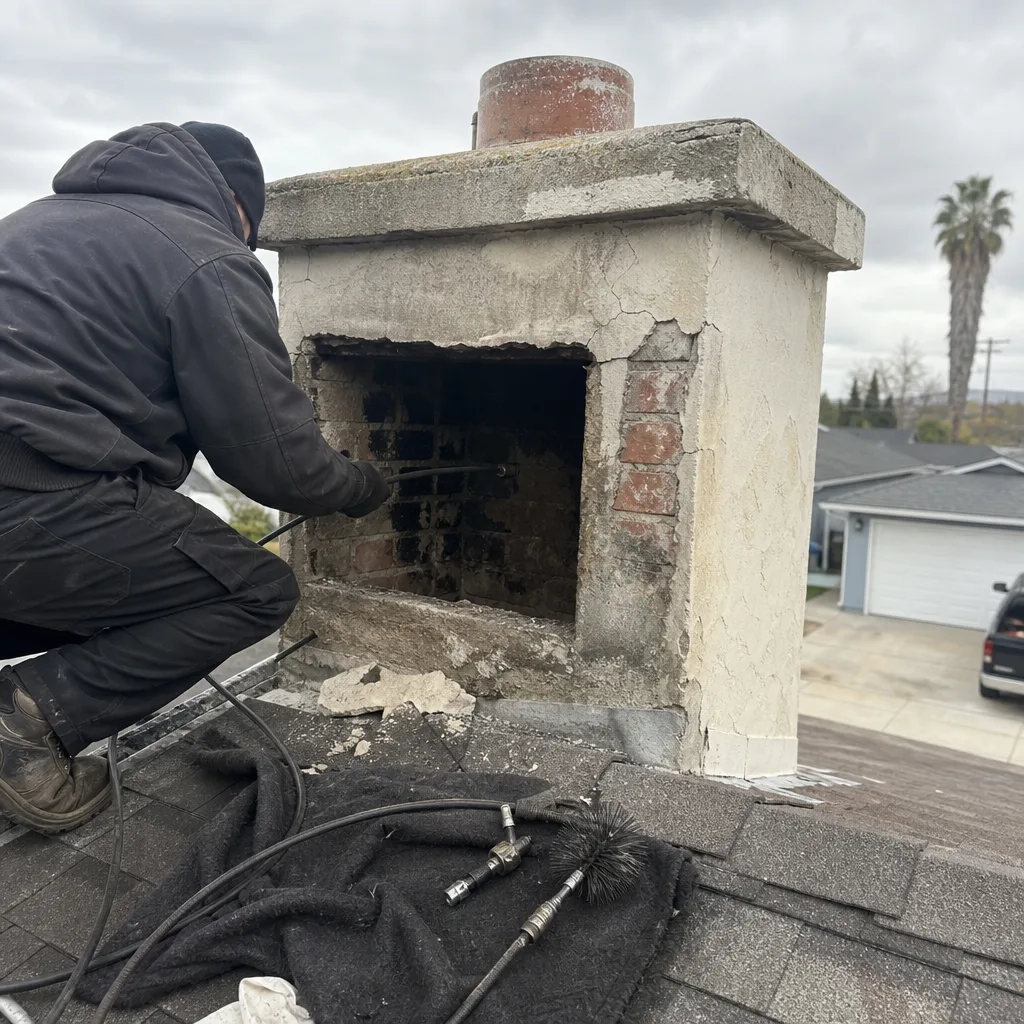 Before
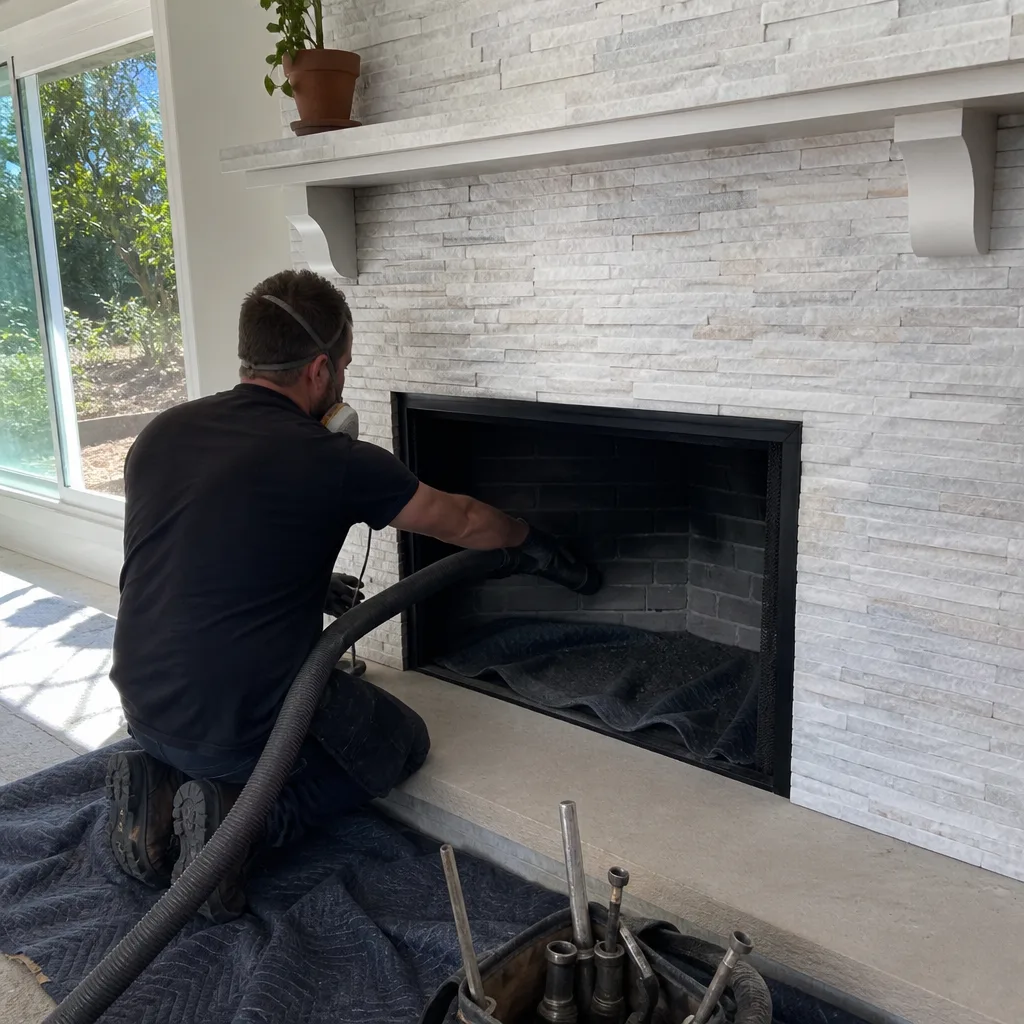 After
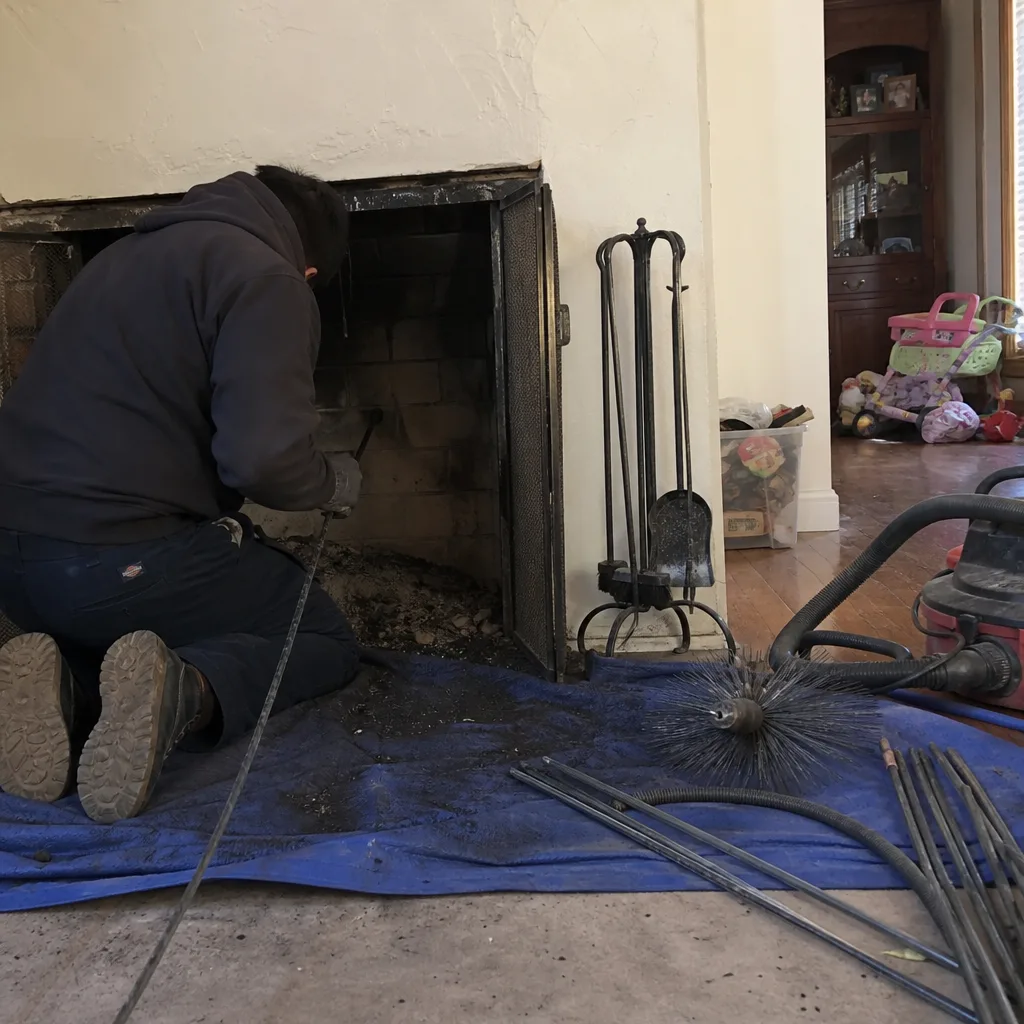 Before
 After
 Before
 After