
Last updated November 2, 2026
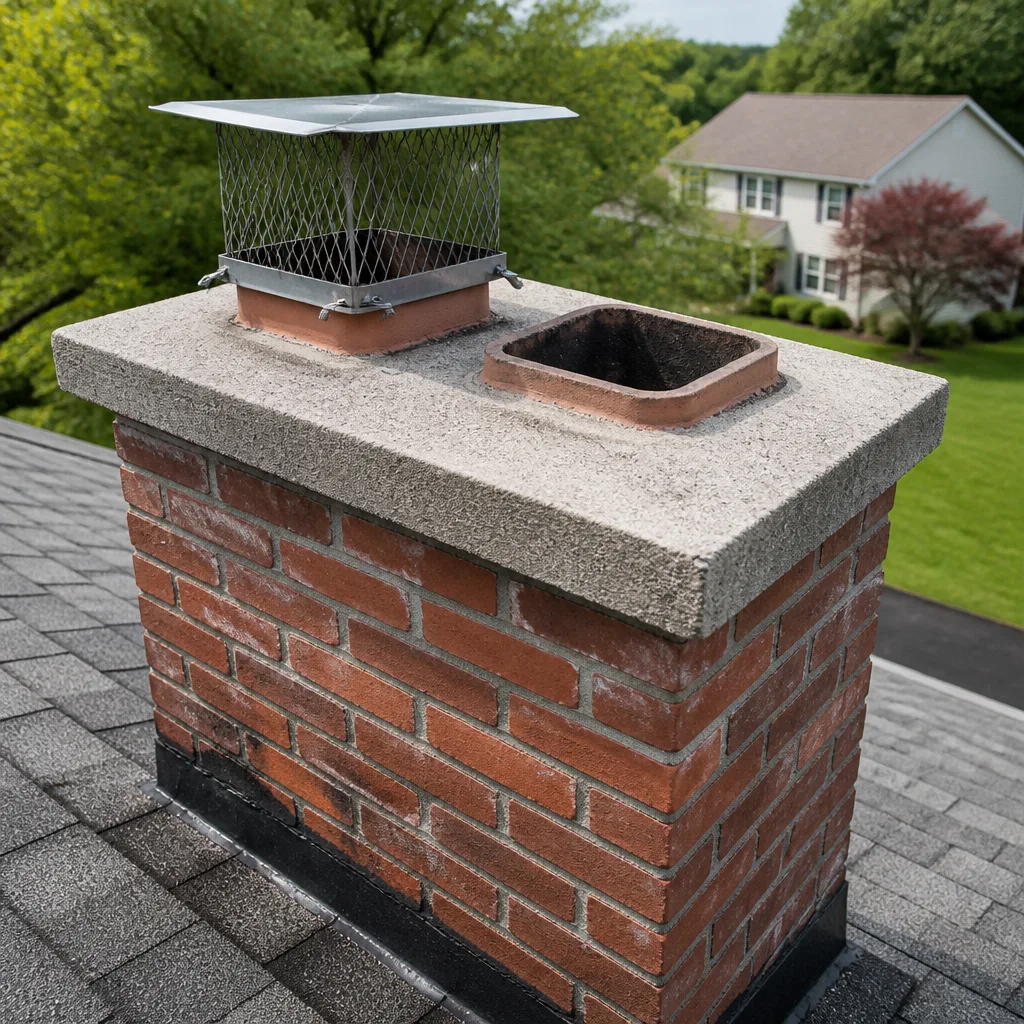 Sweep & inspection
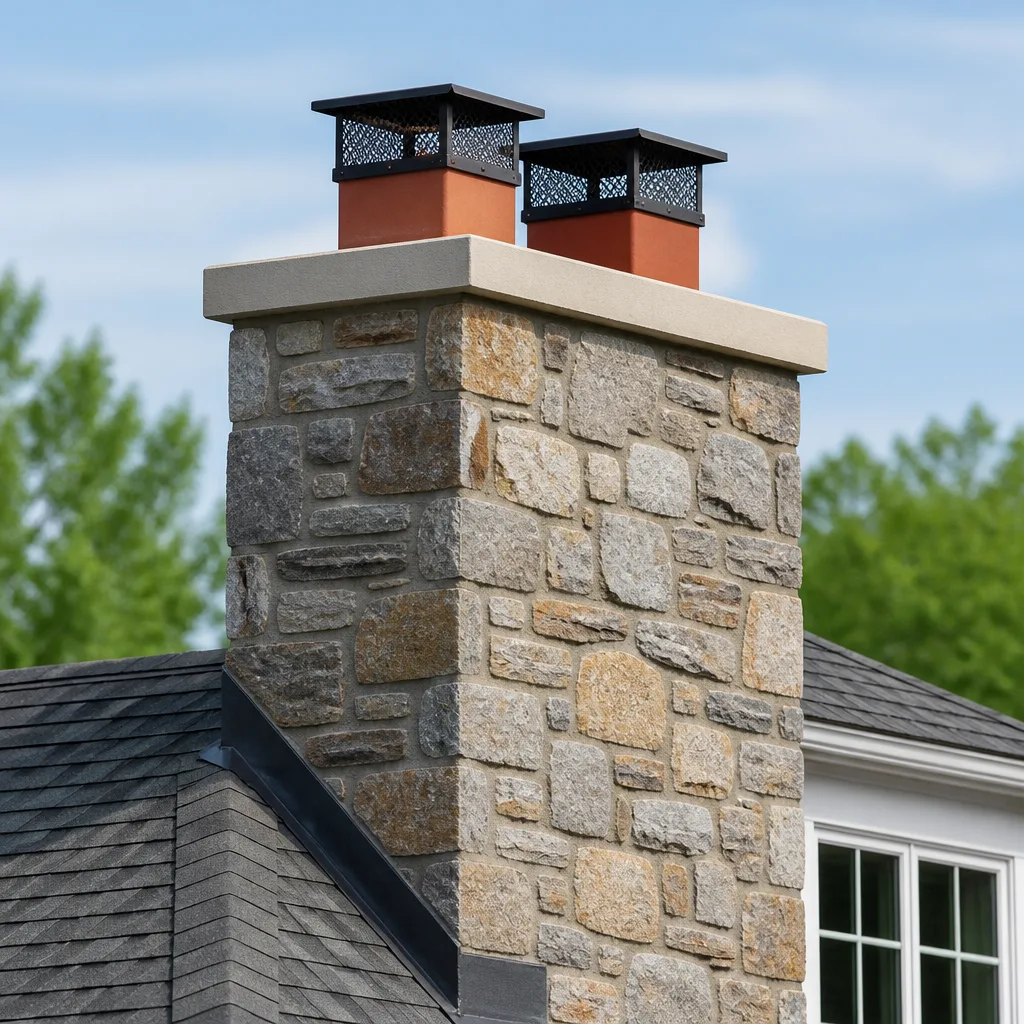 Caps & crowns
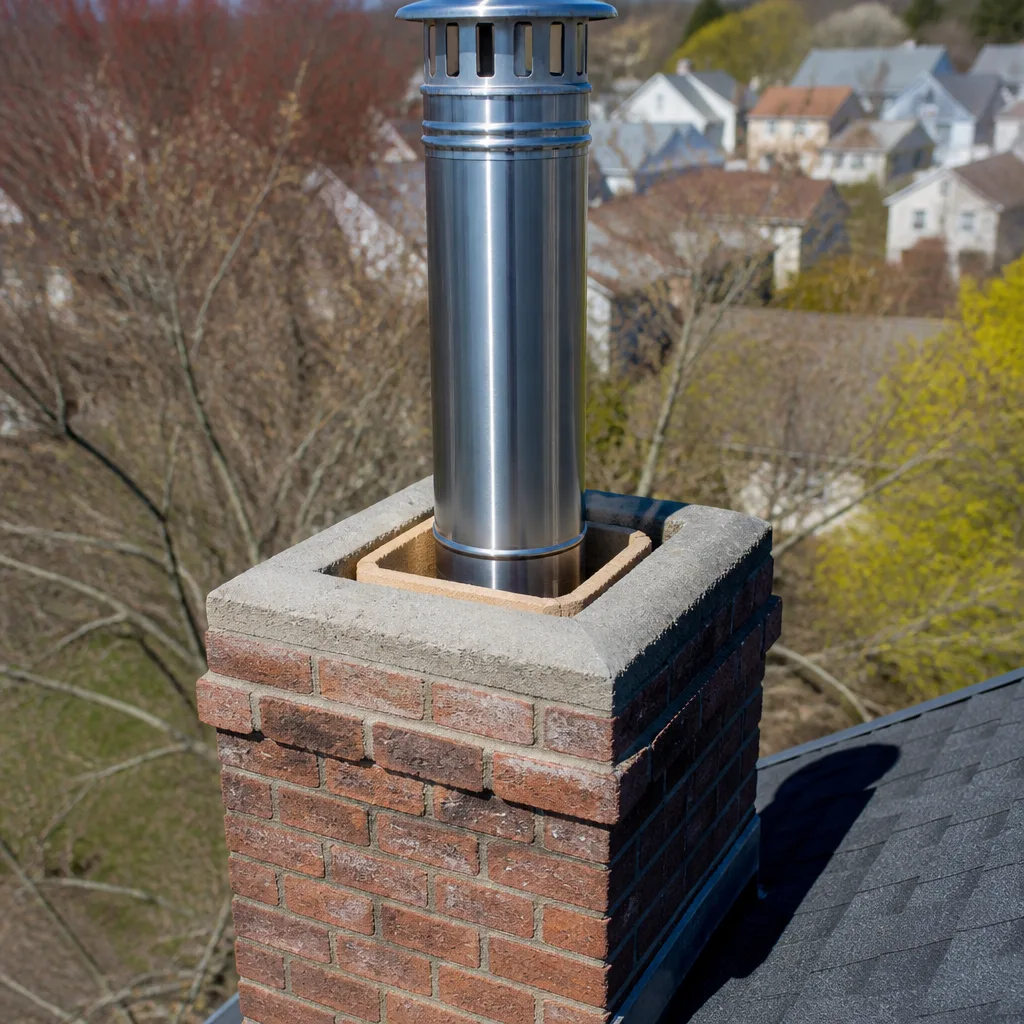 Flue relining
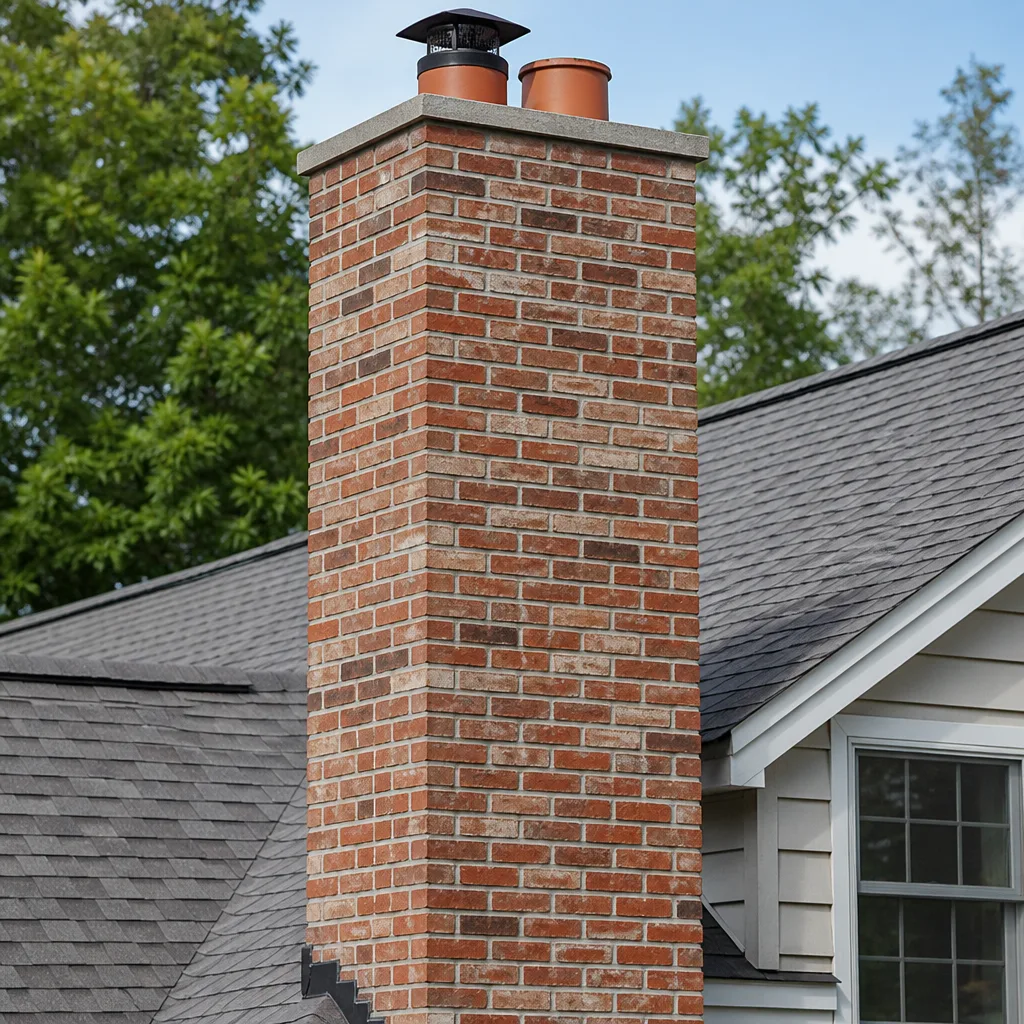 Masonry repair
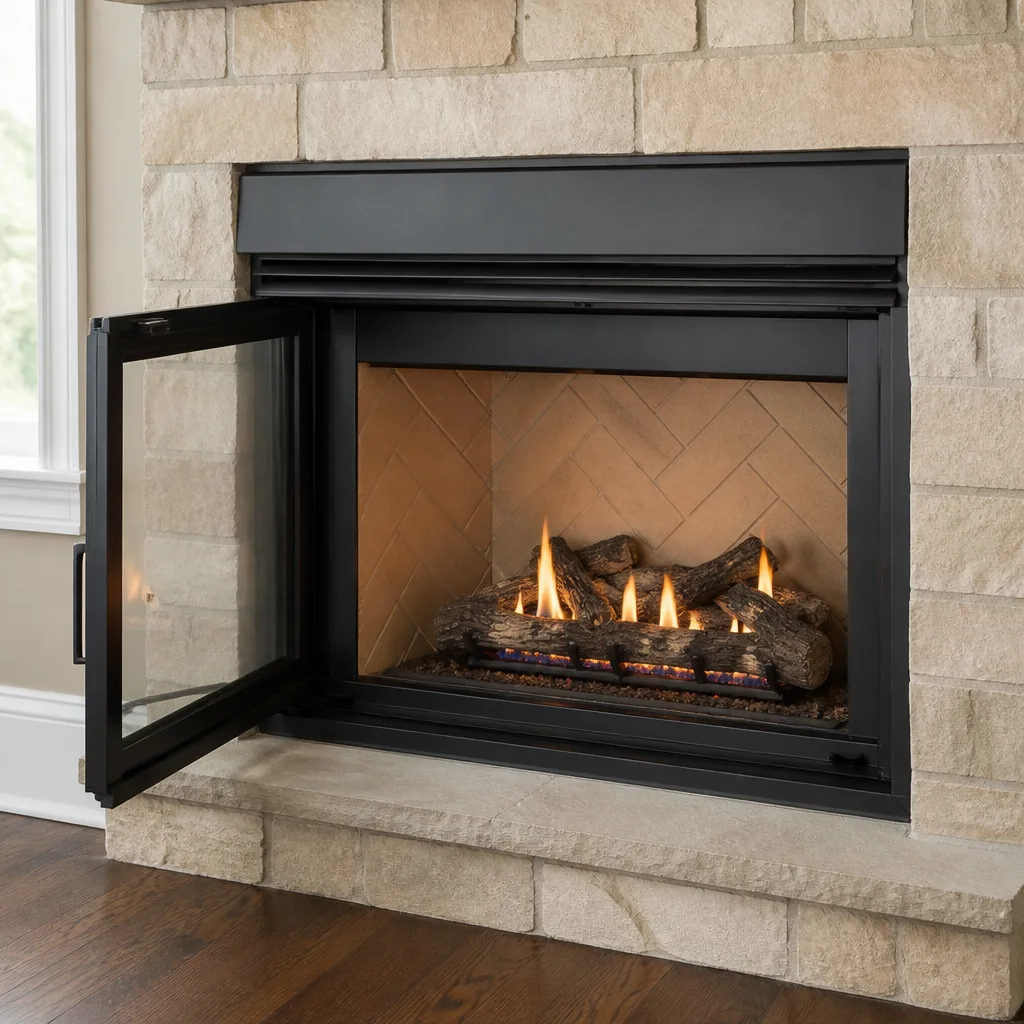 Gas fireplace service
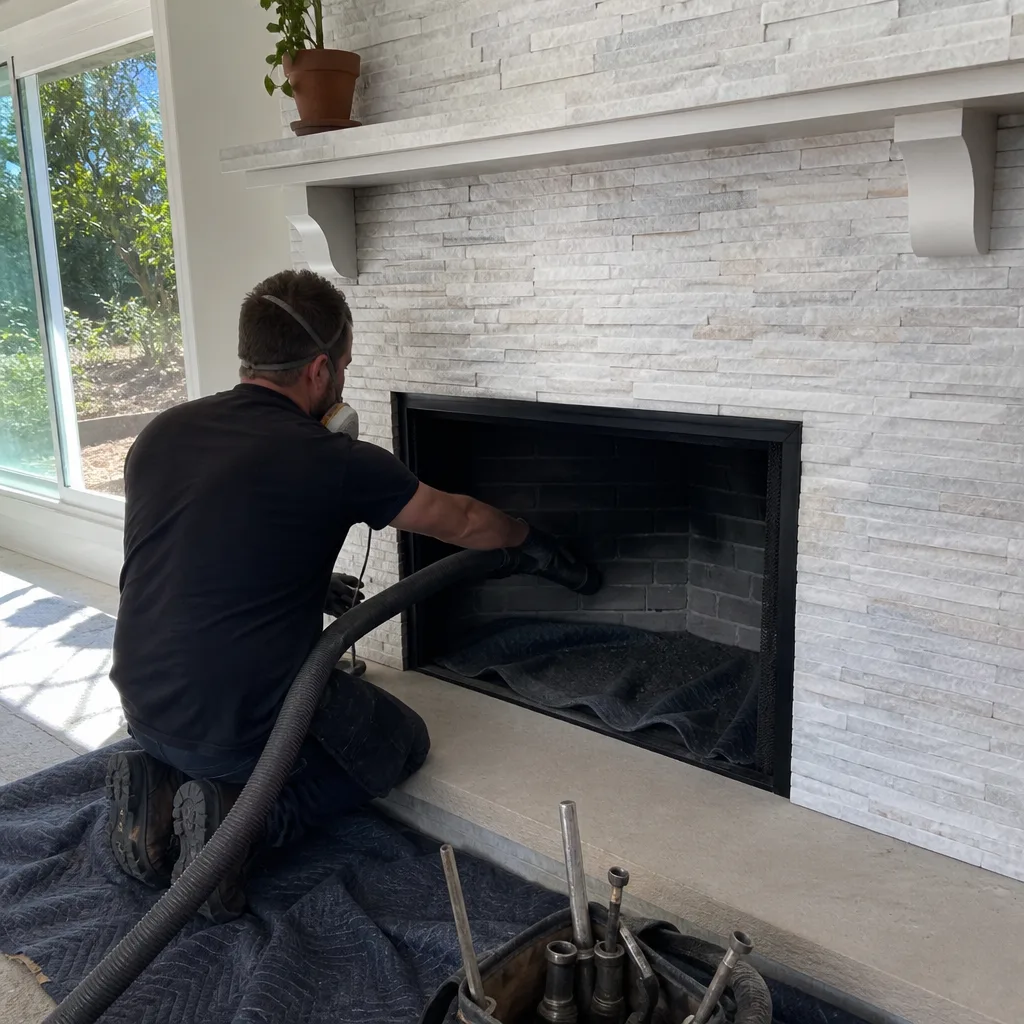
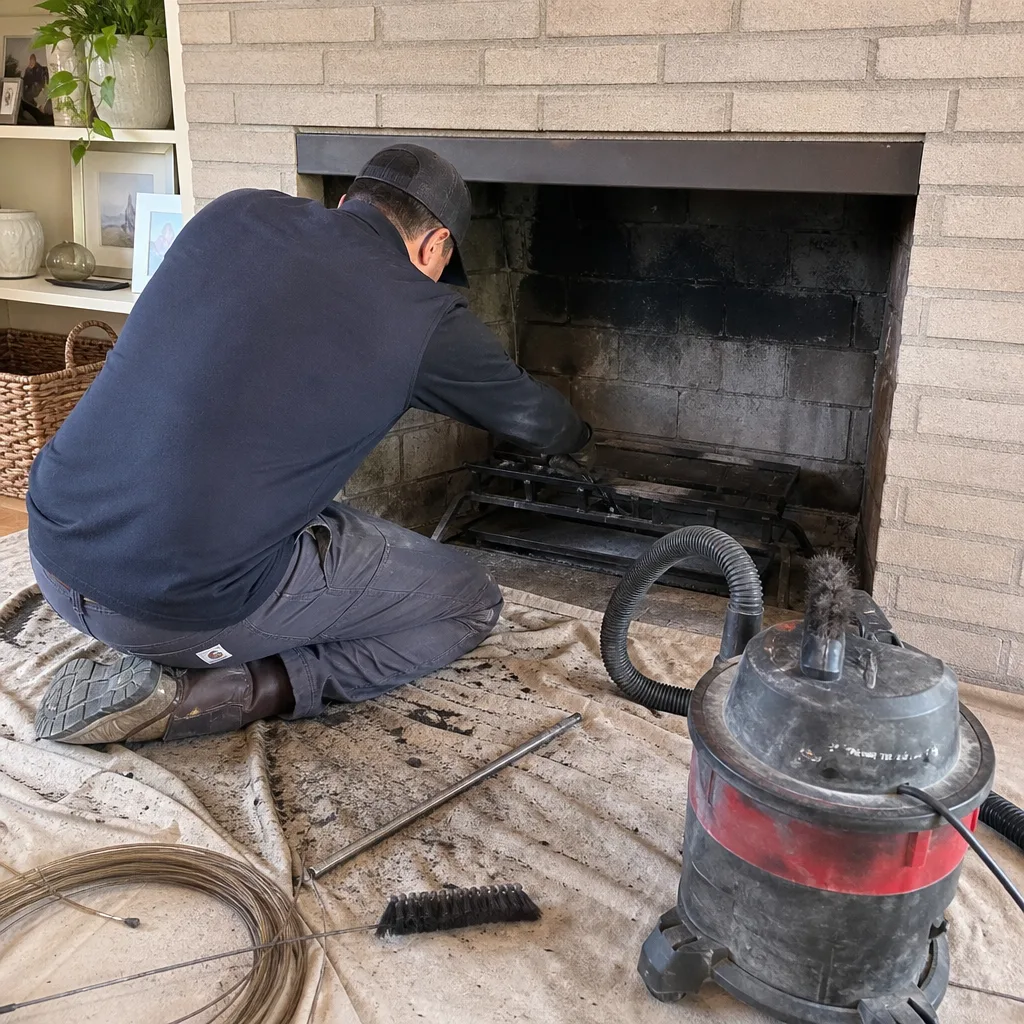
Level 1 sweep and inspection to the NFPA 211 annual standard - flue, crown, cap, and flashing checked and photographed
Chimney sweep logs do not sweep chimneys. They loosen some creosote - which then falls where a brush and vacuum still have to collect it.
DIY vs Professional Chimney Cleaning: The Westminster Homeowner’s Decision Guide
Westminster’s housing stock skews toward mid-century masonry construction. That’s not a trivia point, it’s a risk factor. Homes built between 1950 and 1980 have clay tile flue liners that are now 45 to 75 years old, and clay tile doesn’t age gracefully. It cracks. It spalls. It separates at the mortar joints. A chimney brush will clean the soot off a cracked liner. It won’t tell you the liner is cracked. That’s the entire DIY vs professional debate in one sentence. This guide lays out exactly what a Westminster homeowner can safely do themselves, what requires professional equipment and trained pattern recognition, and how to decide which path your chimney actually needs. For how to hire a chimney cleaning contractor in Westminster, see our step-by-step companion guide.
Styles & brands we work with
- Sweep & inspection
- Caps & crowns
- Flue relining
- Masonry repair
- Gas fireplace service
Quick Answer
DIY chimney cleaning in Westminster is reasonable for light, powdery soot when you have a straight flue, an easily accessible roof, a recent professional inspection showing no structural concerns, and you’re comfortable working at height. Professional cleaning becomes necessary when you see shiny, tar-like creosote, when the chimney hasn’t been inspected in 3+ years, when you notice any signs of liner damage or moisture, or when you’re burning unseasoned wood regularly. The dividing line isn’t effort, it’s whether you can see the problems that actually cause chimney fires.
Table of Contents
- What DIY Chimney Cleaning Can Actually Accomplish
- What Professional Equipment Sees That a Brush Can’t
- Westminster’s Specific Risk Profile: Mid-Century Masonry Chimneys
- Understanding Creosote Stages: The Real Decision Variable
- The Insurance and Documentation Angle Nobody Talks About
- The Decision Matrix: Four Conditions for Safe DIY, Three for Calling a Pro
- What Each Path Actually Costs in Westminster
- Common Mistakes to Avoid
- When to Call a Professional
- Frequently Asked Questions
- The Bottom Line
What DIY Chimney Cleaning Can Actually Accomplish
We’re not going to tell you that DIY chimney cleaning is always wrong. It isn’t. There’s a narrow band of situations where a homeowner with the right brush kit, a sturdy ladder, and a basic understanding of what they’re looking at can handle the job competently. The key word is narrow.
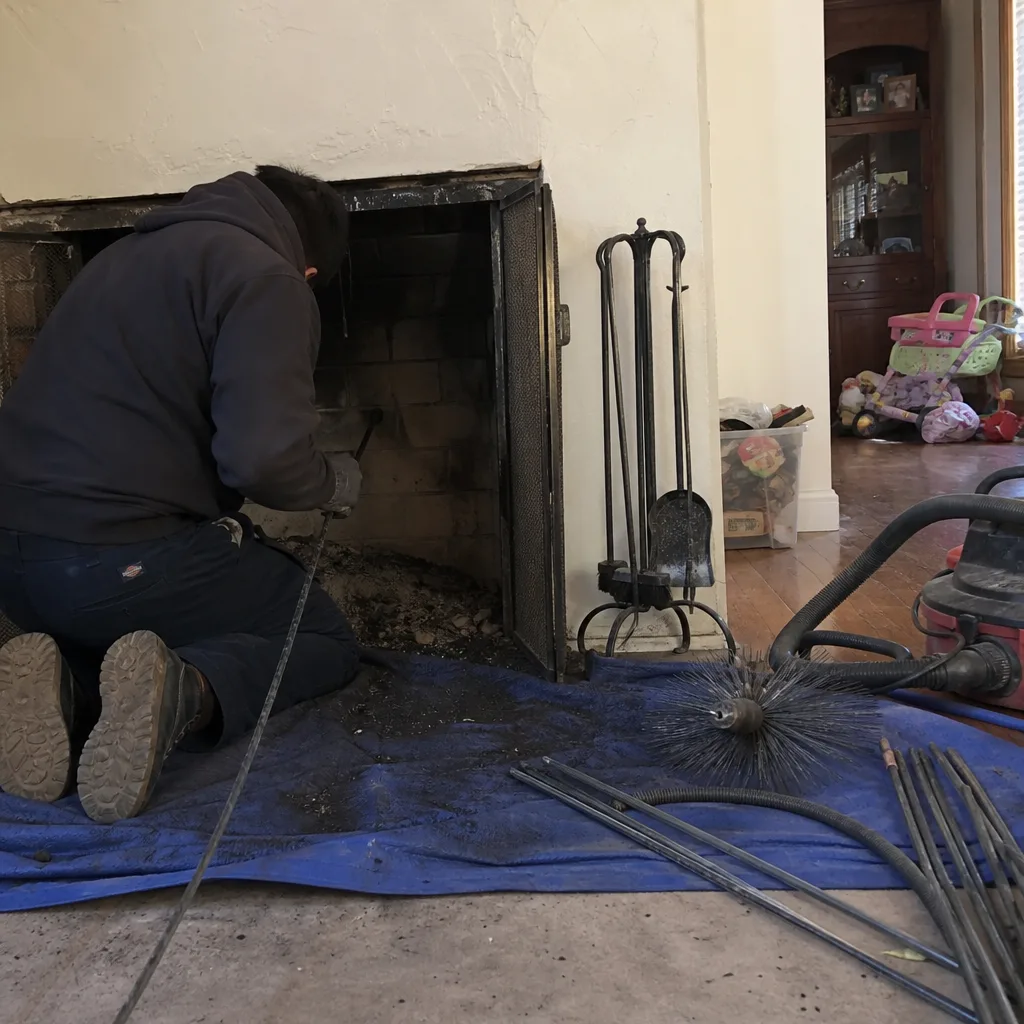
Basic flue brush passes remove loose, powdery soot from the flue walls. This is stage-1 creosote, the fluffy gray or brown residue that forms when combustion gases cool too quickly before exiting the chimney. It’s soft. It brushes off. If that’s what you have, and the rest of the conditions we’ll outline later in the decision matrix are met, a DIY cleaning is low-risk.
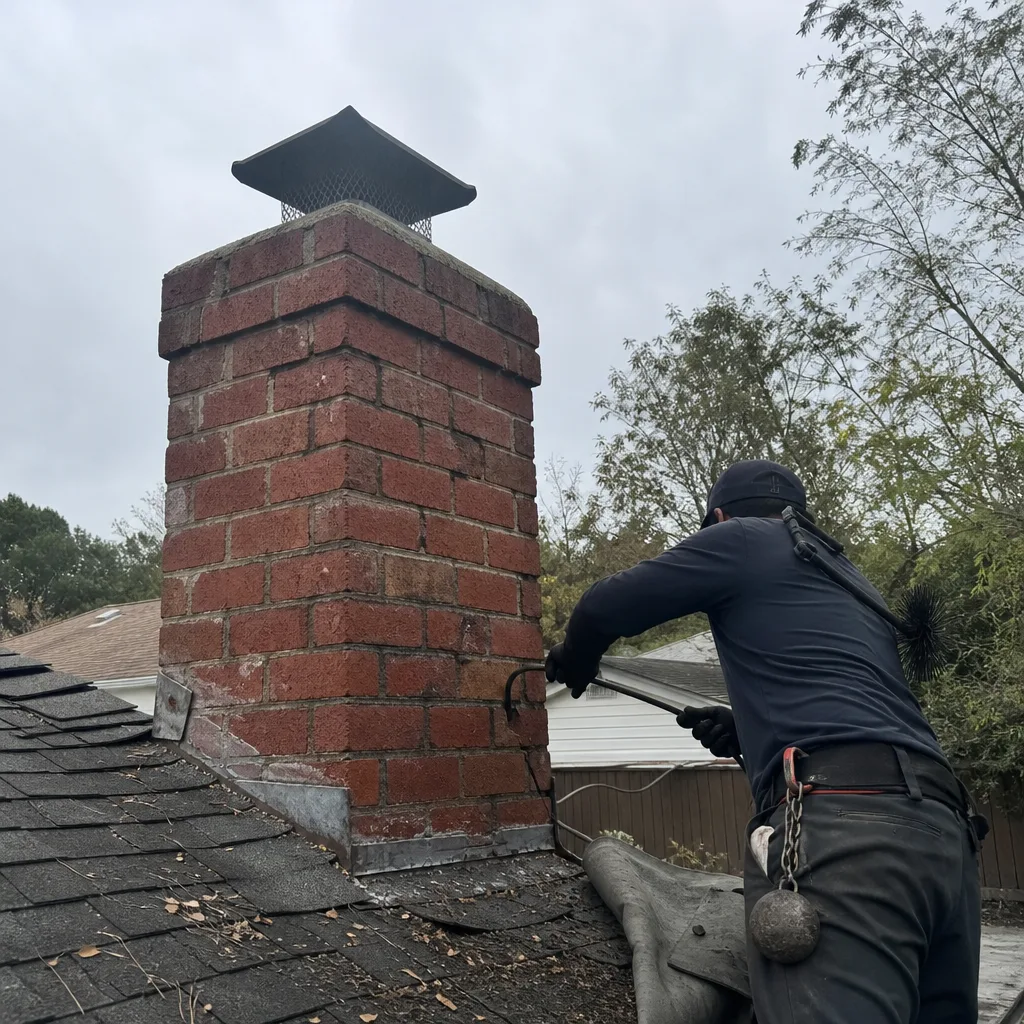
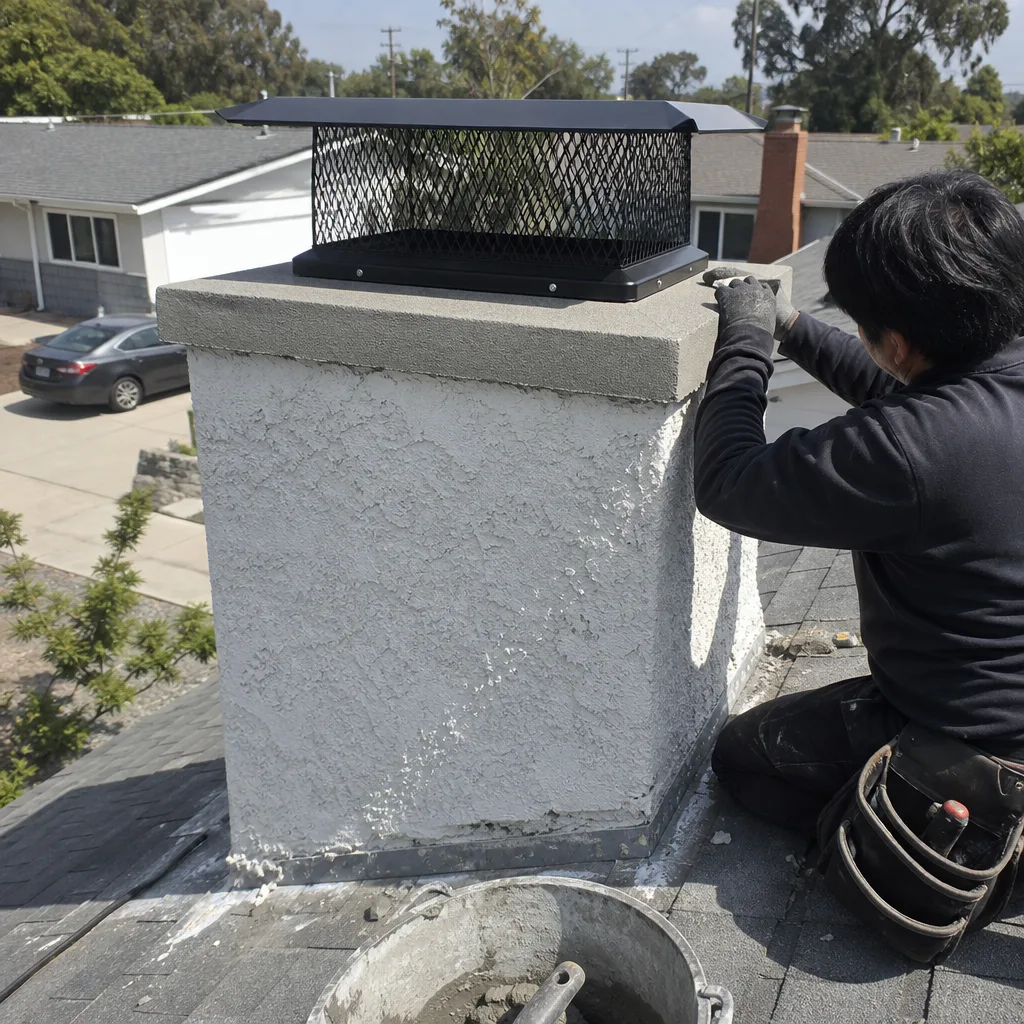
You can also safely remove debris from the chimney cap and spark arrestor screen. Westminster’s coastal-adjacent climate means seasonal winds deposit leaves, twigs, and occasionally palm fronds onto chimney tops. A clogged spark arrestor restricts draft and pushes smoke back into the house. Clearing it is straightforward, assuming you can safely access your roof. That “safely access” qualifier matters more than most people admit. A chimney cap at the peak of a two-story Westminster home with a clay tile roof is not a casual Saturday project.
Exterior visual checks are another legitimate DIY task. Walk around your chimney. Look for spalling brick, crumbling mortar joints, rusted flashing, or efflorescence (white powdery deposits that signal water intrusion). Look for a chimney cap that’s missing or damaged. Look for cracks in the crown. You’re not diagnosing anything, you’re spotting red flags that tell you when to call someone who can. That’s useful. It’s the difference between noticing a problem at stage one versus discovering it after a chimney fire or a water-damaged ceiling.
Here’s the honest summary of what a competent Westminster homeowner can do themselves:
- Brush away soft, powdery stage-1 creosote from an accessible, straight flue
- Clear visible debris from the cap and spark arrestor screen
- Perform a ground-level and ladder-level exterior visual inspection for obvious damage
- Check the firebox and damper for visible obstruction or animal nesting material
- Document everything with photos for their own records
What’s missing from that list is everything that actually determines whether your chimney is safe. The brush pass makes the chimney look cleaner. It doesn’t make it safer. Those aren’t the same thing.
What Professional Equipment Sees That a Brush Can’t
The equipment gap between what you can buy on Amazon and what a chimney specialist uses is not a matter of degrees. It’s a categorical difference. And it’s the reason “I cleaned it myself” doesn’t mean “my chimney is safe.”
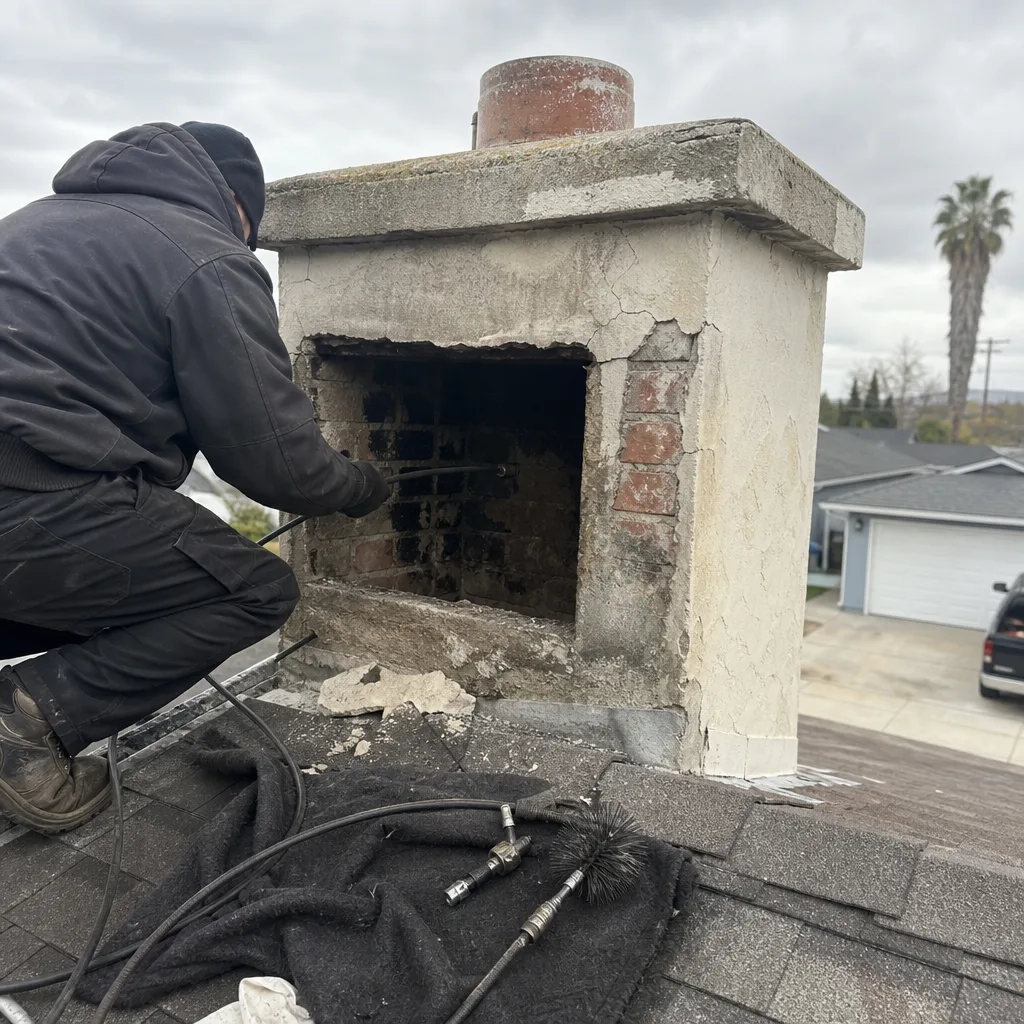
Rotary cleaning systems use spinning metal or nylon rods attached to a heavy-duty drill, fed up through the firebox or down from the roof. They’re designed for one thing: removing stage-2 glazed creosote. That’s the shiny, tar-like residue that forms when creosote bakes under repeated high-heat conditions. It looks like black glass. A standard wire brush will skip across its surface without removing anything. Worse, a homeowner who doesn’t recognize glazed creosote may see a “clean” flue because the glaze looks smooth and uniform. It’s not clean. It’s the most dangerous form of creosote there is, and it requires mechanical removal with rotary systems or professional-grade chemical treatments. Neither of which fits in a DIY kit.
Camera inspection scopes are rigid or flexible borescope systems that produce real-time video of the entire flue interior. This is what identifies cracks in clay tile liners, separated mortar joints, hidden animal nests, deteriorated parging in the smoke chamber, and flue gases leaking into wall cavities. You cannot see these things with a flashlight from the top of the chimney. You cannot see them from the firebox looking up. A cracked liner is invisible to anyone without a camera. In Westminster, where Chimney Repair in Westminster involves frequent liner restoration work on mid-century homes, these camera findings are often the first time a homeowner learns their chimney was never safe to begin with.
Combustion gas analyzers measure what’s coming out of your chimney during a burning test. They detect carbon monoxide, verify proper draft, and confirm that combustion gases are exiting the structure correctly. You cannot smell carbon monoxide. You cannot see draft failure. You can only measure it. A DIY cleaning leaves you with zero data about whether the chimney actually functions as a proper exhaust system.
The pattern recognition piece matters too. We’ve seen chimneys in Westminster that look structurally fine on the exterior and reveal compromised smoke chambers, failed parging, or corroded damper assemblies once the camera goes in. That’s not a magic trick. It’s training plus the right tools. The chimney is a system, not a surface. And systems fail from the inside out.
Westminster’s Specific Risk Profile: Mid-Century Masonry Chimneys
Westminster isn’t any city. It’s a city where a huge share of the housing inventory was built in the post-war construction boom, and those homes came with clay tile lined masonry chimneys. Clay tile was the standard for decades. It’s not a bad material, but it has a known failure mode: thermal cycling. Every fire you build heats the tiles. Every time the fire ends, they cool. Over 40, 50, 60 years, that expansion and contraction creates hairline fractures. Hairline fractures widen. Eventually, you have a liner that’s no longer containing combustion gases.
Here’s the DIY-specific problem: cleaning a mid-century Westminster chimney with a standard brush can actually dislodge unstable mortar joints and fragment already-damaged clay tile. The brush applies lateral pressure to the flue walls. If those walls are already compromised, the cleaning becomes destructive instead of preventive. You’ll hear pieces of clay tile fall into the smoke chamber. You’ll see mortar dust in the firebox. What you won’t know is whether you just caused damage or simply revealed damage that was already there. Either way, the chimney is less safe after your DIY cleaning than before.
Westminster’s climate adds another variable. The city sits close enough to the coast to get marine-layer humidity mornings during much of the year. That moisture interacts with creosote deposits inside the flue, accelerating the formation of corrosive acids that attack mortar joints and clay tile surfaces. It also means exterior brick and mortar face constant moisture cycling, which accelerates spalling and efflorescence. Your chimney isn’t just aging, it’s aging in a moisture-rich environment. Professional inspection accounts for that. A brush does not. Our seasonal chimney cleaning care guide for Westminster explains how to time maintenance around this climate.
There’s also the matter of the flue size and shape. Many mid-century Westminster chimneys were built for open-hearth fireplaces with generous flue dimensions. Some have corbeled or offset smoke chambers with irregular geometry. Brushes pass through. Cameras see the corners. When we’re evaluating whether a chimney is safe to clean, safe to use, or needs restoration work, the camera findings from that irregular geometry are often where the real story lives. A straight flue is a rare luxury in this city’s older homes.
Understanding Creosote Stages: The Real Decision Variable
Every chimney fire starts with creosote. The question is only what stage you’re dealing with. Here’s the breakdown that actually matters for the DIY decision:
Stage 1: Powdery soot. Soft, brown or gray, brushes away easily. This is normal combustion byproduct. If this is what you’re producing and the flue has been professionally inspected recently, DIY maintenance is reasonable. The risk of a chimney fire from stage-1 creosote alone is low.
Stage 2: Flaky or granular creosote. Crunchy, often black, sometimes with a cornflake-like texture. This forms when wood isn’t fully seasoned or when fires smolder at low temperatures. It won’t brush off with a standard flue brush because it’s baked onto the flue walls. Professional removal with rotary equipment is the standard. A DIY attempt at stage-2 creosote is mostly wasted effort.
Stage 3: Glazed creosote. Shiny, dense, tar-like. This is what happens when stage-2 creosote gets hot enough to melt and re-harden repeatedly. It’s extremely difficult to remove and extremely flammable. Glazed creosote is the direct precursor to most serious chimney fires. You cannot DIY this. A rotary system plus professional chemical treatment is the baseline approach, and even then, some cases require multiple treatments.
Westminster homeowners who burn wood seasonally from November through February typically produce stage-1 conditions if the wood is properly seasoned and the fires are hot. But anything that burns cool or smolders, anything green or partially seasoned, or any period of low-temperature burning pushes you toward stage 2. The shift happens faster than most people expect. And stage 2 is where the DIY conversation ends.
You can’t reliably assess creosote stage by looking up from the firebox. The firebox view shows you maybe the bottom 18 inches of the flue. Glazed creosote forms higher up, where gases cool and condense against the flue walls. The only way to know is to inspect from the top down, with proper lighting, or to run a camera. If you’re guessing, you’re guessing wrong more often than you think.
The Insurance and Documentation Angle Nobody Talks About
Here’s a scenario we hear about too often in Westminster: homeowner has a chimney fire. Homeowner files an insurance claim. Insurance company asks for documentation showing the chimney was professionally cleaned and inspected annually. Homeowner has none, because the homeowner did it themselves. Claim outcomes in these cases are not favorable.
Insurance companies treat chimney fires differently than other fire losses. They look for negligence. A chimney fire is almost always preventable with professional maintenance, and insurance adjusters know this. If you can’t produce a professional inspection record or cleaning receipt, the insurer has grounds to argue the loss resulted from lack of proper maintenance. The DIY cleaning you did, even if you did it carefully, doesn’t count as documented professional maintenance. That’s not our position. That’s how the claims process works.
The flip side is that documented professional service creates a paper trail. A Chimney Sweep in Westminster generates a dated report showing what was found, what was cleaned, and what was recommended. If the worst happens despite that, the homeowner can demonstrate reasonable care. That matters in a claim. It also matters if you ever sell the home. A buyer’s home inspector will ask about chimney maintenance. “I cleaned it myself” is not a reassuring answer in a transaction involving a 60-year-old masonry chimney.
There’s a liability angle beyond insurance too. If a DIY cleaning dislodges debris that blocks the flue, and the blocked flue causes carbon monoxide backup into the home, the injuries and damage sit on your homeowner’s policy, and the absence of professional documentation works against you. CO is odorless. Flue blockage after a DIY cleaning can be partial and intermittent. The system can malfunction in ways you won’t notice until the CO detector goes off, or until it fails to go off. Professional cleaning includes draft verification for exactly this reason.
The Decision Matrix: Four Conditions for Safe DIY, Three for Calling a Pro
Let’s make this concrete. If your chimney meets all four of these conditions, a DIY cleaning is a reasonable, low-risk choice:
- Professional inspection within the last 12 months showing no structural concerns, no liner damage, and no more than stage-1 creosote accumulation.
- A straight, accessible flue with no offsets, no corbeled smoke chamber, and a chimney top you can reach safely with proper ladder equipment on stable ground.
- Only seasoned hardwood burned, no unseasoned wood, no softwood, no artificial logs with unknown additives, no burning of paper, cardboard, or trash.
- You’re comfortable working at height with proper fall protection, and you have a helper on the ground who can call for help if something goes wrong.
Now the flip side. If your chimney meets any of these three conditions, call a professional before touching anything:
- You see shiny, glazed, or tar-like residue anywhere in the flue, firebox, or smoke chamber. This is stage-2 or stage-3 creosote. A brush won’t remove it, and it’s a serious fire hazard.
- It’s been more than three years since the last professional inspection, or you’ve never had one since buying the home. You’re operating on zero data. Assume the worst and get eyes on it.
- You see any signs of water intrusion, spalling brick, crumbling mortar, rusted damper, or smoke staining on walls or ceilings near the chimney. These are structural red flags. Cleaning a damaged chimney does nothing. It needs diagnosis and likely repair.
Print that matrix. Tape it to your garage wall. It’s the whole guide in condensed form.
What Each Path Actually Costs in Westminster
The honest cost comparison isn’t between a $40 brush kit and a professional sweep. It’s between the upfront cost of each path and the downstream cost of what each path fails to catch. See our chimney cleaning cost breakdown for Westminster homeowners for detailed 2026 pricing.
Here’s the realistic breakdown for a Westminster homeowner:
- DIY brush kit: $40 to $120 for basic rods and a wire brush. Add $80 to $150 for a chimney cap brush. Add $150 to $400 for a proper ladder and roof safety equipment if you don’t already own them. Realistic first-time DIY cost: $150 to $500, depending on what you already own.
- Professional sweep with inspection: typically $150 to $350 in Westminster, including full inspection and documentation. Camera inspection adds $75 to $200 when performed as a separate service or when findings require it.
- Cost of not addressing stage-3 glazed creosote: a chimney fire can run from a few thousand dollars in flue repair to total loss of the structure. The national average for a chimney fire insurance claim runs well into five figures.
- Cost of liner replacement not caught early: full relining on a mid-century Westminster home can run $4,000 to $8,000. Some cases require Chimney Repair in Westminster level restoration work with materials like DuraFlex liner systems or HeatShield resurfacing. Catching a small crack before it becomes a full liner failure is the difference between a repair and a full reline.
The strongest economic argument for professional inspection isn’t the sweep itself. It’s the early detection. A $250 sweep that catches a $500 repairable crack before it becomes a $6,000 reline is a $5,750 savings, but most people only see the $250 they spent. That’s not a bad deal. That’s the best return on investment available in home maintenance.
Common Mistakes to Avoid
- Assuming a clean-looking firebox means a clean chimney. The flue is 15 to 30 feet tall. You’re seeing the bottom 18 inches. The creosote that burns is higher up, where condensation occurs. A firebox view tells you almost nothing about the condition that actually matters.
- Using chemical creosote logs as a substitute for mechanical cleaning. Those products can change some creosote from stage 2 to stage 1, making it easier to remove. They don’t remove it. They don’t inspect anything. They don’t produce a record. They’re a maintenance aid, not a cleaning.
- Attempting to clean a chimney with known structural damage. If you’ve seen mortar dust falling into the firebox, if you’ve noticed spalling, if you’ve had water stains on the ceiling near the chimney, the chimney needs diagnosis before cleaning. A brush pass through a damaged flue can dislodge materials and create a blockage. Cleaning is the last step, not the first.
- Ignoring the dryer vent while you’re up there. Westminster homeowners who use their fireplaces usually also run dryers. The Dryer Vent Cleaning in Westminster need is just as urgent as the chimney, and it’s ignored far more often. Lint buildup causes fires the same way creosote does. The two leading residential fire-hazard sources in one home deserve equal attention.
- Assuming a one-time professional cleaning resets the clock forever. Chimneys need annual inspection. Westminster’s moisture cycle and seasonal burning patterns create conditions that change year to year. A sweep last year tells you about last year. It doesn’t certify the chimney for five years.
- Using a chimney without checking the damper and cap first. An open or rusted damper lets conditioned air escape all summer and lets moisture in all winter. A missing cap invites animals and debris. These are cheap to fix and expensive to ignore. Check them before you build your first fire, not after.
- Underestimating the height risk. A fall from even a single-story roof can be fatal. A fall from a second-story roof peak in Westminster, where many homes have steep pitches and dated roofing, is how people die in home maintenance accidents. If you’re not equipped for roof work with proper safety gear and a spotter, the DIY savings evaporate instantly against a hospital bill or worse. The dangerous component here isn’t the chimney. It’s the ladder.
When to Call a Professional
Call a professional chimney specialist when you’ve never had the chimney inspected in a home you own, when you see glazed or flaky creosote, when there’s visible exterior masonry damage, when water is getting in anywhere near the chimney chase, when you smell smoke in the house after fires, when you hear debris falling inside the flue, or when you simply don’t want to work on a roof in this city’s wet winter conditions. Also call if you’ve been burning unseasoned wood for a season or more. That’s a direct path to stage-2 creosote that won’t brush off.
And here’s the honest version: if you’re reading this guide, and you’re not sure which category your chimney falls into, that’s your answer. The decision matrix exists for people who already have the data. If you don’t have the data, the professional visit IS the data-gathering step. Chimney Repair Westminster offers free estimates in Westminster. Call (877) 358-3706 and get eyes on the actual condition of your flue before you decide anything. We carry the professional materials and equipment to handle whatever we find, from a standard sweep to liner restoration with Chimney Repair Westminster home standards. One visit gives you the full picture.
Frequently Asked Questions
A professional chimney sweep in Westminster typically runs $150 to $350, including inspection and documentation. Camera inspection, when needed, adds $75 to $200. Factors that affect pricing include chimney height, roof accessibility, creosote stage, and whether the chimney has been recently maintained. Call (877) 358-3706 for a specific quote. Estimates are free.
Yes, if you have a recent professional inspection showing only stage-1 creosote, a straight and accessible flue, and you’re equipped for safe roof work with a spotter. You cannot safely or effectively clean stage-2 or stage-3 creosote with a DIY kit, and you cannot diagnose the condition of your liner, smoke chamber, or hidden flue geometry without professional equipment.
Glazed creosote looks like shiny black glass or tar inside the flue. You’ll typically only see it with proper lighting from the top of the chimney or via camera inspection. It forms when stage-2 creosote repeatedly melts and re-hardens under high-heat conditions, and it’s the most flammable form of creosote. If you suspect it, call a professional for a camera assessment before building another fire.
At least once per year if you burn wood regularly during the cool season. Homes that burn more frequently, or that burn less-than-perfectly-seasoned wood, may need mid-season attention. Annual inspection is the minimum standard for safety and for maintaining documentation that insurance companies expect.
Most policies don’t explicitly require it as a policy term, but chimney fire claims are routinely denied or reduced when the homeowner cannot produce documentation of professional maintenance. The practical reality is that DIY cleaning without professional inspection records leaves you exposed in a claim scenario. Documented professional service is your best defense if something goes wrong.
Creosote accumulates. It moves from stage 1 to stage 2, then to stage 3. Eventually, a hot fire ignites the creosote, producing a chimney fire that can crack the liner, melt flashing, ignite surrounding framing, or spread into the attic. You also miss the chance to catch liner cracks before combustion gases leak into wall cavities. The math is simple: a few hundred dollars a year versus a five-figure repair or total loss. Call (877) 358-3706 to schedule a sweep before burning season starts.
The Bottom Line
The DIY vs professional chimney cleaning decision comes down to one question: do you actually know what’s inside your flue? If a professional camera inspection within the last year has confirmed a straight, structurally sound chimney with only stage-1 creosote, DIY maintenance is a reasonable option for a homeowner equipped for safe roof work. If you don’t have that data, you’re not deciding between DIY and professional. You’re deciding between finding out what’s wrong now or finding out later, when it’s more expensive. Westminster’s mid-century masonry chimneys are aging, the climate here accelerates that aging, and the problems that matter are invisible without the right equipment. A clean chimney and a sound chimney aren’t the same thing. Get the inspection. Get the documentation. Then decide. Call (877) 358-3706 for a free estimate, or contact the team at our Chimney Repair Westminster home page to schedule service.
Written by the team at Chimney Repair Westminster, serving Westminster since 2012. Browse more guides & resources on chimney care and home safety.
See the difference
 Before
 After
 Before
 After
 Before
 After