
Last updated November 2, 2026
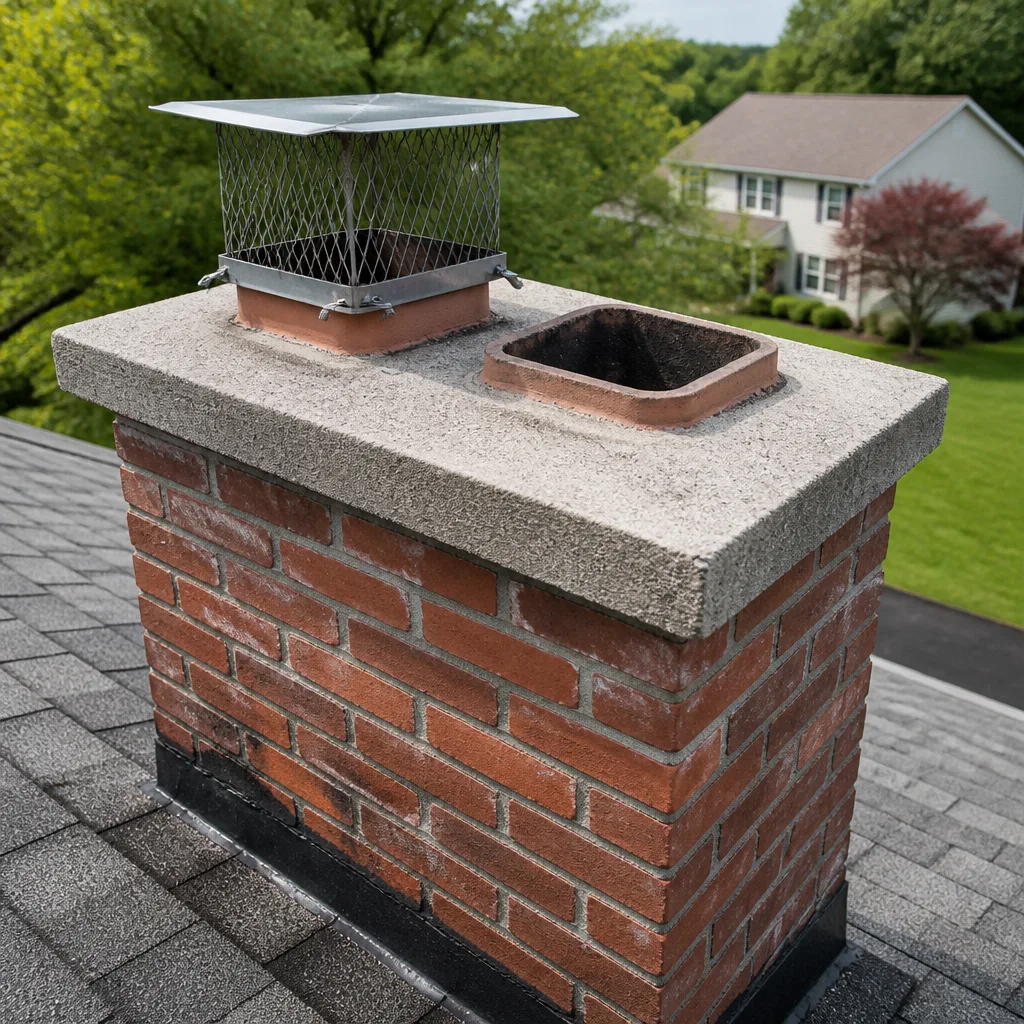 Sweep & inspection
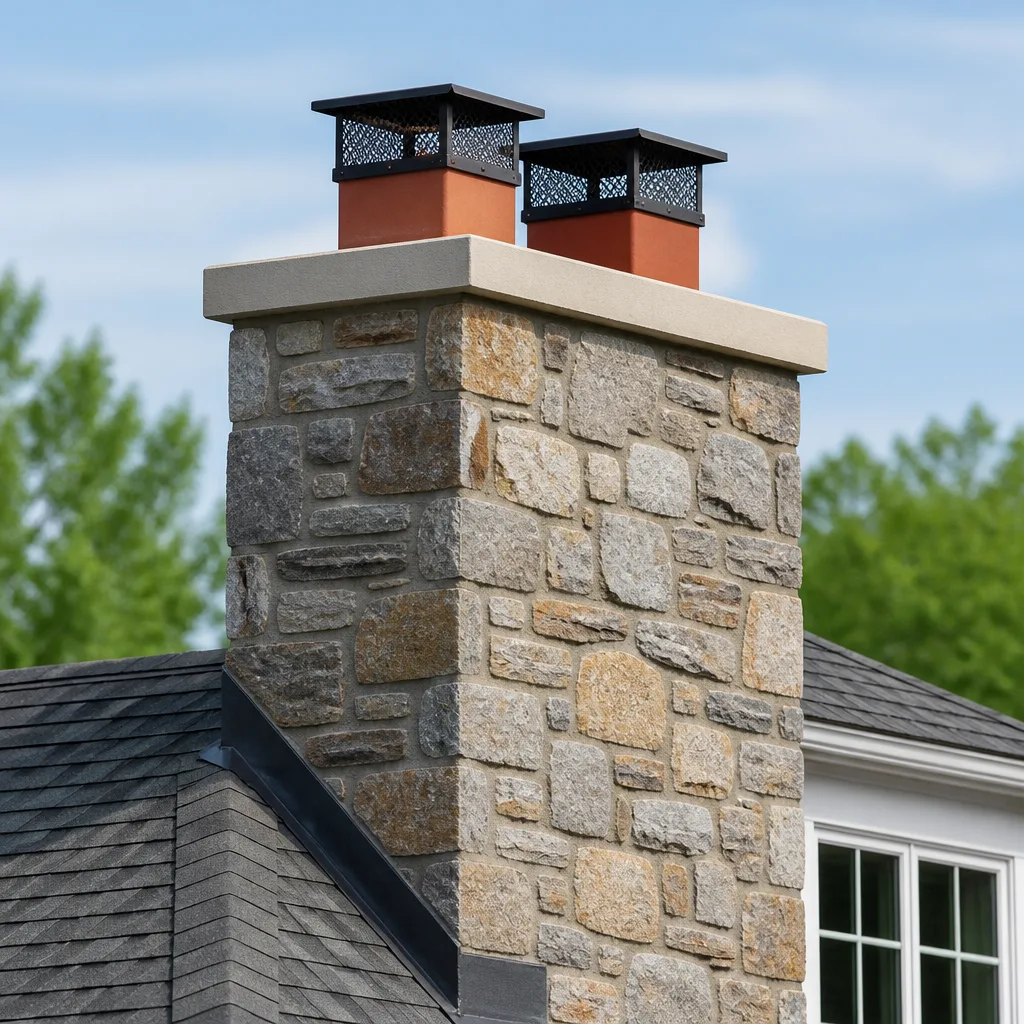 Caps & crowns
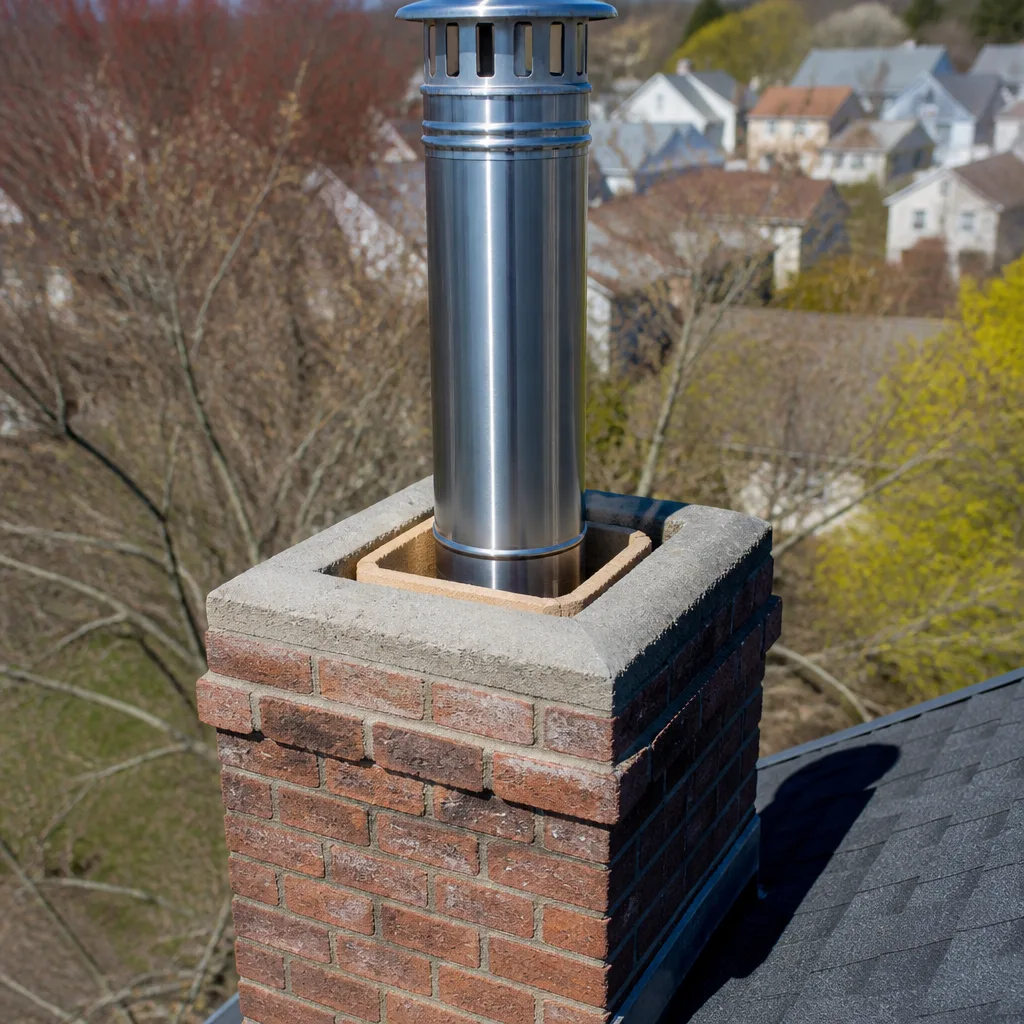 Flue relining
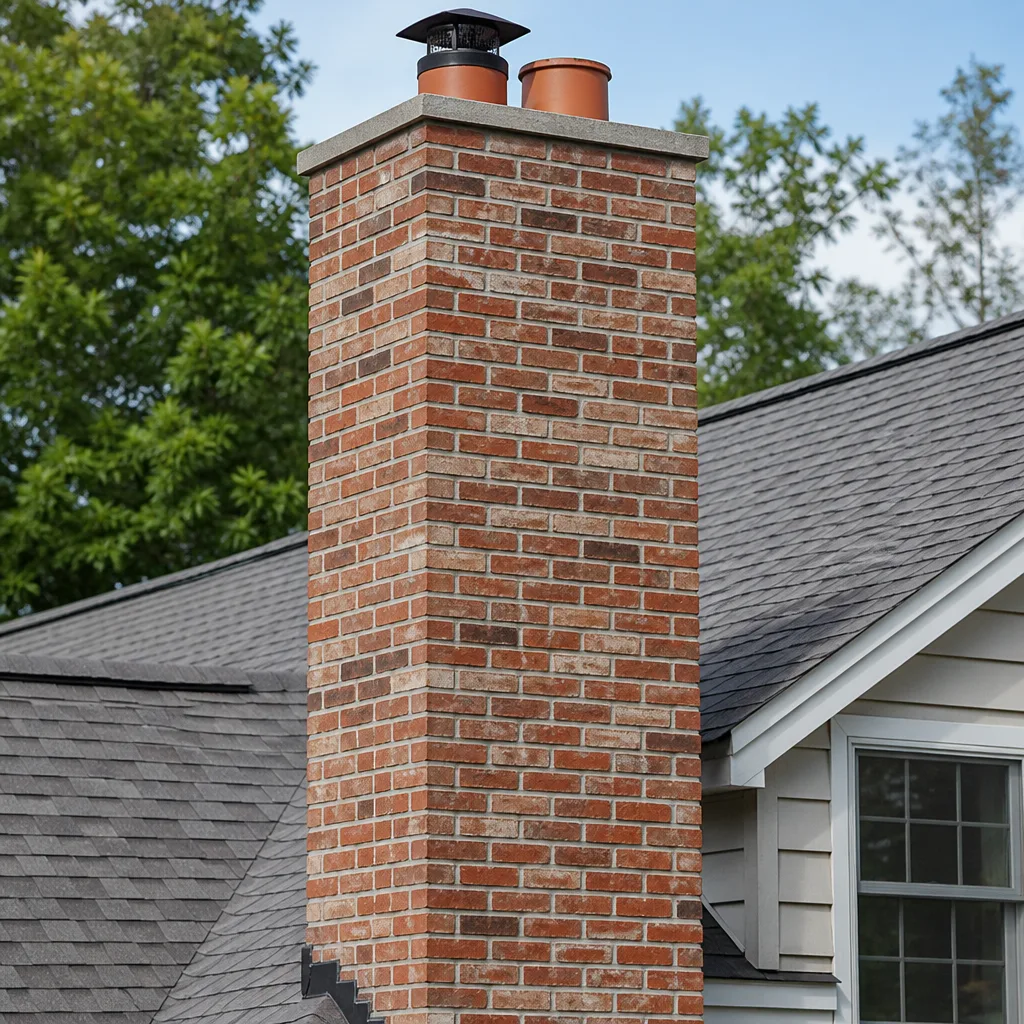 Masonry repair
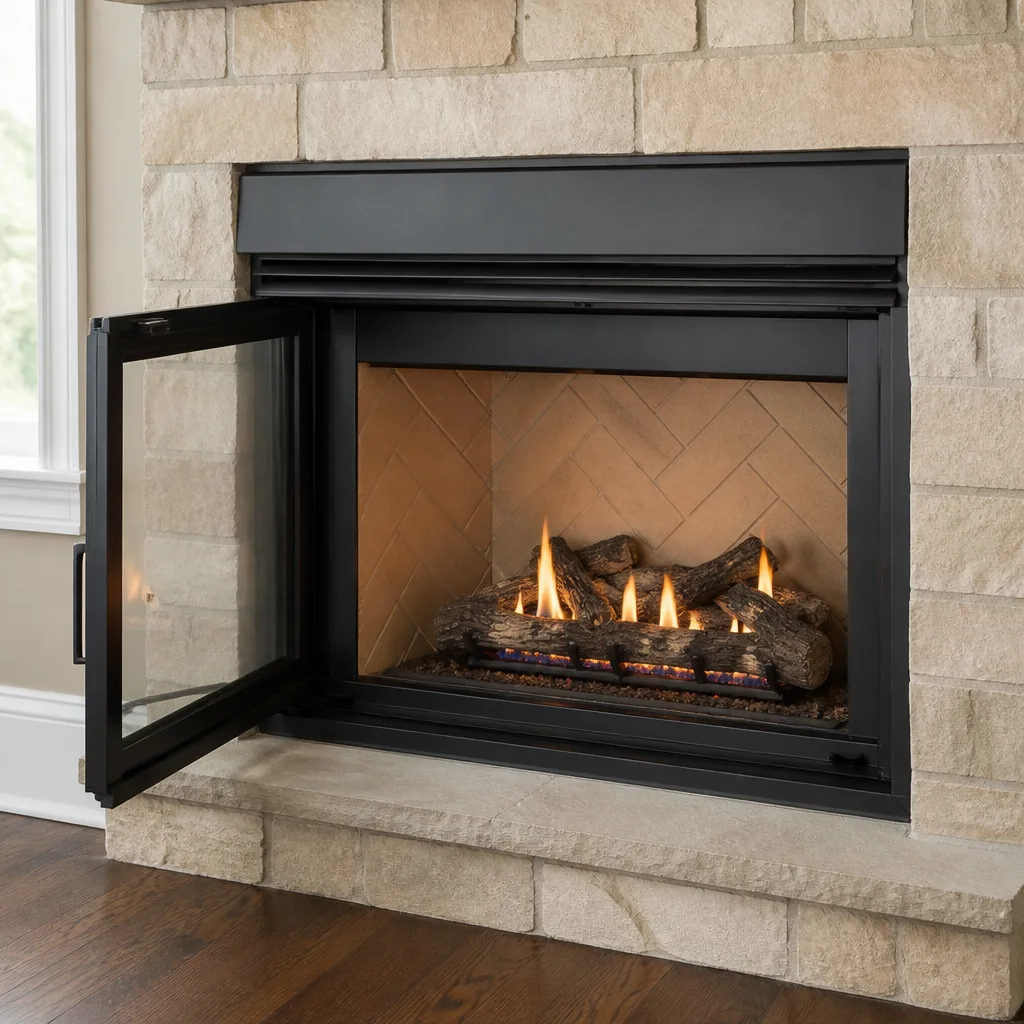 Gas fireplace service
Level 1 sweep and inspection to the NFPA 211 annual standard - flue, crown, cap, and flashing checked and photographed
Chimney sweep logs do not sweep chimneys. They loosen some creosote - which then falls where a brush and vacuum still have to collect it.
Seasonal Chimney Cleaning Care for Westminster: Year-Round Homeowner’s Guide
Westminster gets Santa Ana winds that can push debris, embers, and pressure changes down an uncapped chimney in October, right before homeowners light their first fire of the year into a flue they haven’t touched since last winter. That collision of wind season and fire season is where a lot of Westminster chimney problems start, and it rarely shows up in generic chimney care advice written for colder climates. This guide maps chimney maintenance to the actual weather cycles we deal with here in Westminster, so you know what to check, when to check it, and what can safely wait.
Quick Answer
Seasonal chimney care in Westminster should follow four phases: a pre fire season check in October before Santa Ana winds peak, a quick mid-season inspection in January after the first heavy burning weeks, a post-season cleaning in March once regular fire use ends, and a summer dormancy check in July when marine layer humidity is at its strongest. The goal each season is different: debris removal and cap verification in fall, creosote monitoring in winter, deep cleaning and moisture assessment in spring, and humidity-driven liner inspection in summer.
Styles & brands we work with
- Sweep & inspection
- Caps & crowns
- Flue relining
- Masonry repair
- Gas fireplace service
Table of Contents
- Why Westminster’s Climate Demands a Different Chimney Calendar
- Phase One: Pre Fire Season Prep (October)
- Phase Two: Mid-Season Inspection (January)
- Phase Three: Post-Season Cleaning (March)
- Phase Four: Summer Dormancy Care (July)
- Santa Ana Winds and Chimney Drafting: What Actually Happens
- Why a Chimney Cap Is Non-Negotiable in Westminster
- Common Mistakes to Avoid
- When to Call a Professional
- Frequently Asked Questions
- The Bottom Line
Why Westminster’s Climate Demands a Different Chimney Calendar
Most chimney maintenance guides assume four distinct seasons: a cold winter that demands daily fires, a wet spring, a humid summer, and a crisp fall. Westminster doesn’t work that way. We burn fires in short, intense windows, mostly December through February, with occasional shoulder-season use in November and March. The rest of the year, the chimney sits dormant. But dormant doesn’t mean stable. Two forces act on an unused chimney in Westminster year-round: Santa Ana winds from the east and northeast, and marine layer humidity rolling in from the coast. Both create problems that a traditional four-season calendar never addresses.
Santa Ana events can arrive as early as September and as late as April, with peak frequency in October and November. These winds are dry, warm, and fast, often gusting 40 to 60 mph through the inland corridors. That wind doesn’t just blow across the top of your chimney, it changes the pressure dynamics inside the flue. Marine layer humidity, on the other hand, settles in during late spring and summer, pushing moist air into masonry pores and flue tile surfaces for weeks at a time. That prolonged moisture exposure is what accelerates mortar deterioration and clay tile spalling in chimneys that never see a single fire all summer.
So a Westminster chimney owner needs a care plan built around those two forces, plus the brief winter burning window. The four-phase approach below does exactly that.
Phase One: Pre Fire Season Prep (October)
October is the most important month on the Westminster chimney calendar. It sits between the first strong Santa Ana events of fall and the start of regular fire use. The sequence matters: Santa Anas start stirring up debris and dumping it into uncapped flues, then homeowners light their first fire into a flue that now contains dried leaves, twigs, bird nesting material, and possibly a layer of fine wind-blown dust. That’s the setup for a chimney fire or a smoke-back problem on the very first burn of the season.
What to Do in October
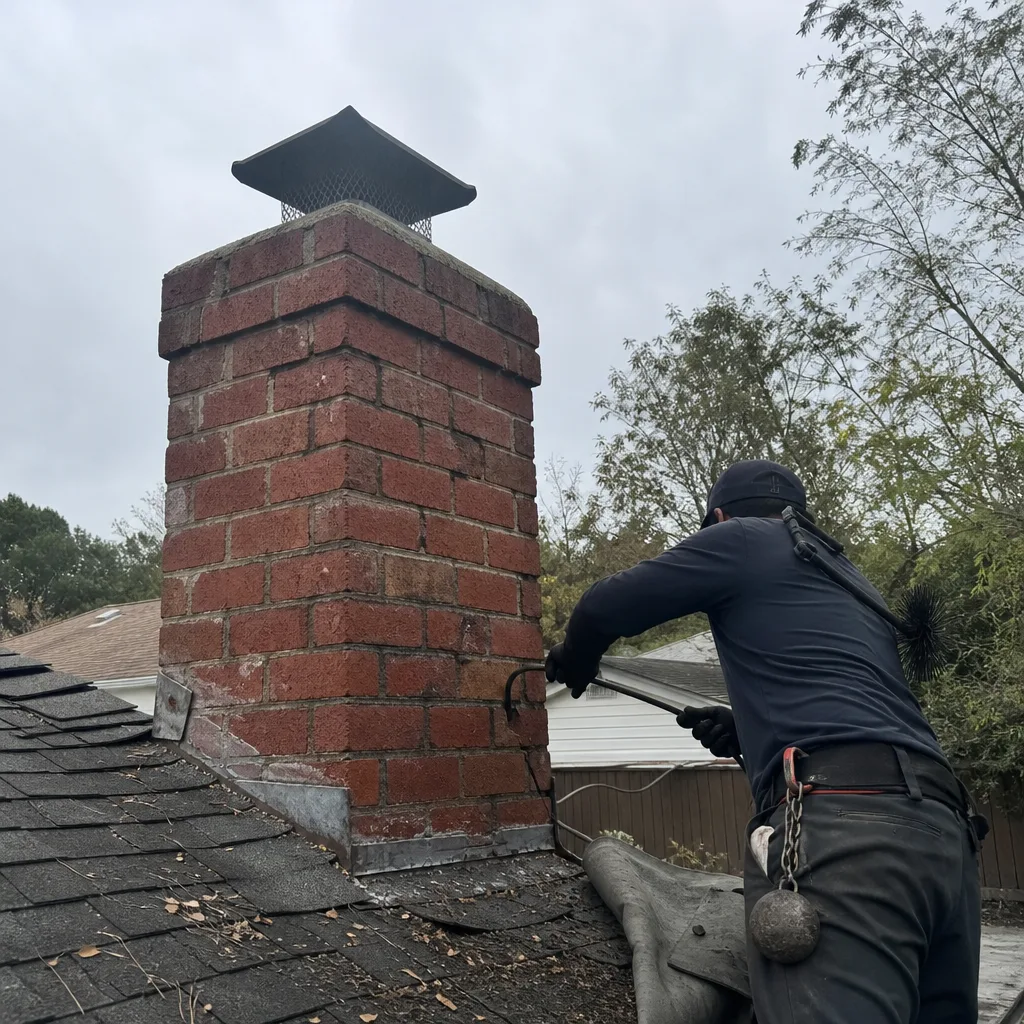
- Check the chimney cap and spark arrestor from the ground with binoculars. Look for visible damage, tilting, or missing screen sections. Santa Ana winds can loosen cap hardware over time.
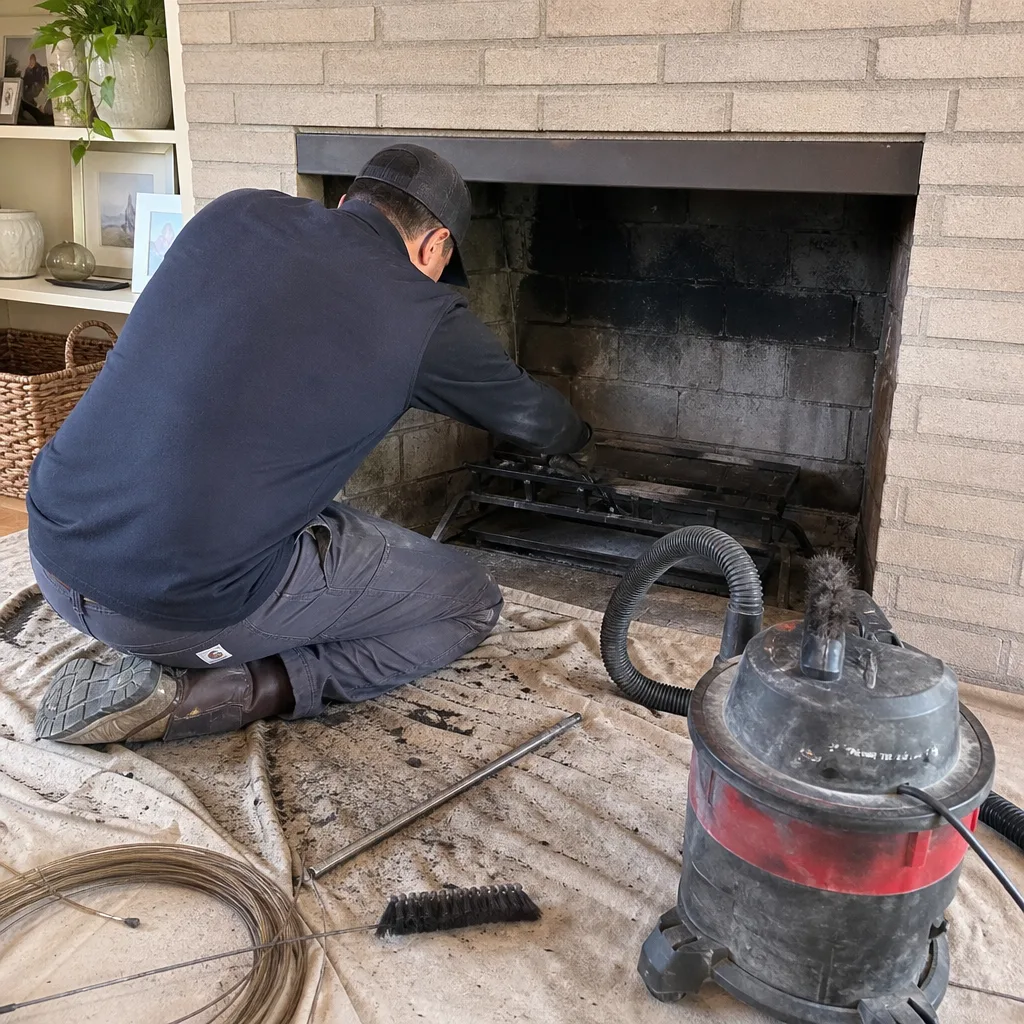
- Schedule a professional chimney sweep and inspection before you light the first fire. This is the single highest-leverage action on this entire calendar. A sweep removes whatever the winds deposited plus any creosote left from last winter that has cured into a hardened, more flammable state over the summer.
- Verify that the damper opens and closes fully. Dampers corrode during humid summers, and a stuck damper turns your first fire into a smoke event.
- Check for bird or rodent activity. Westminster’s year-round mild climate means nesting season never fully stops. Swifts, starlings, and squirrels all use chimneys, and October is when established nests get discovered the hard way.
In our experience, the most common October finding in Westminster isn’t creosote, it’s debris. Uncapped or poorly capped chimneys accumulate an impressive amount of material during Santa Ana season. The second most common finding is a damper that won’t fully open because summer humidity seized the hinge mechanism.
Phase Two: Mid-Season Inspection (January)
By January, Westminster homeowners who burn regularly have put enough fires through the flue to generate a measurable creosote layer. The type of creosote matters more than the amount. Stage one creosote is flaky and easy to remove. Stage two is tar-like and sticky. Stage three is glazed, hardened, and highly combustible. The transition from stage two to stage three happens faster in flues that experience temperature cycling, which describes a Westminster chimney perfectly: hot fires on cold nights, then rapid cooling during mild days.
What to Look For in January
- Smoke entering the room instead of drafting up the flue, especially during the first few minutes after lighting
- A stronger-than-usual campfire smell in the house between burns
- Visible black, shiny buildup on the damper plate or firebox walls when you shine a flashlight up
- Reduced draft on windy days, which can indicate creosote narrowing the flue opening
January is not when most Westminster homeowners schedule a full cleaning. It’s when they should schedule a mid-season check if they burn more than three times per week. That’s the threshold where creosote accumulation accelerates beyond what a single annual cleaning can safely manage. If you’re a lighter burner, a visual self-check is usually sufficient until March.
Phase Three: Post-Season Cleaning (March)
March is the natural deep-cleaning month in Westminster. Regular fire use tapers off as daytime temperatures climb, and the chimney enters its long dormancy. Cleaning now, rather than in October, matters for a specific reason: creosote is hygroscopic. It absorbs moisture from the air. Westminster’s marine layer season begins in earnest around May and runs through August. If you leave a creosote layer in the flue through that humid stretch, the creosote absorbs moisture, expands, and accelerates corrosion of metal components and deterioration of mortar joints.
A March cleaning removes the creosote before the humidity arrives. It also gives the technician a clear view of any winter damage while it’s fresh, rather than discovering it in October when you’re trying to get the fireplace back into service quickly.
What a March Sweep Should Include
- Full flue brushing to remove creosote and soot from the winter burning season
- Inspection of the flue liner for cracks, spalling, or gaps that winter heat stress may have opened
- Removal of any wind-deposited debris that accumulated during winter Santa Ana events
- Smoke chamber and damper area cleaning, which is where most sweep-only operators cut corners
- Moisture assessment before the marine layer season begins
This is also the right time to address any liner concerns that surfaced during the winter burning months. If the January check found stage two or stage three creosote, or if the March inspection reveals flue tile damage, repairing it now means the chimney is ready when October returns. We install liner systems from DuraFlex and HeatShield specifically because the March-to-October window gives those materials time to cure and settle before the next burn season. Waiting until October to discover you need a liner repair often means losing part of the burning season.
Phase Four: Summer Dormancy Care (July)
Summer is when Westminster chimneys look like they’re doing nothing, but the marine layer is quietly working on the masonry. The pattern is predictable: overnight low clouds roll in from the coast, saturating exposed brick and mortar with moisture, then afternoon sun bakes the same surfaces dry. That wet-dry cycle, repeated daily for three to four months, is what causes mortar joints to crumble and clay tile liners to spall. The damage happens slowly and invisibly, but the mechanism is relentless.
What to Check in July
- Look for white staining called efflorescence on the exterior chimney brick. It indicates water moving through the masonry and depositing salts on the surface.
- Check for crumbling mortar at the chimney crown and between bricks. Run a finger along the joints. Crumbling or sandy mortar is a sign moisture is doing its work.
- Inspect the interior firebox with a flashlight for any signs of water streaks, rust on the damper, or damp spots on the walls.
- If you have a gas fireplace, consider running the pilot light periodically. A warm flue interior reduces condensation and slows the moisture absorption cycle inside the chimney.
That last point is underappreciated. Gas fireplaces create a constant warm draft even when the flames are off, as long as the pilot is lit. In Westminster’s humid summer, that gentle warmth can meaningfully reduce moisture accumulation inside the flue. Some homeowners shut the pilot off in summer to save gas. We understand the instinct, but if you’re seeing humidity-related deterioration, keeping the pilot lit through July and August is a cheap preventive measure.
Summer Dormancy Care Checklist
- Verify the damper is fully closed to keep humid outdoor air from circulating through the flue
- Confirm the chimney cap is still secure after spring’s final Santa Ana events
- Check for bird activity around the cap; nesting is year-round in Westminster’s climate
- Schedule any needed masonry repairs before fall, not during the September-October rush
Santa Ana Winds and Chimney Drafting: What Actually Happens
Santa Ana winds create negative pressure zones around your home’s roofline. That’s not vague weather talk, it’s fluid dynamics. Wind moving across the top of a chimney generates a low-pressure area at the flue opening, which actively pulls air up and out of the flue. It also pulls debris, dust, and even live embers from nearby fires into the chimney if the cap is damaged or missing. The same negative pressure can reverse the draft in a cold fireplace, pulling air down the chimney and into the house.
For Westminster homeowners, the practical implications are specific. After a major Santa Ana event, check the hearth area for wind-blown debris that fell down the flue. Look for any change in how the fireplace smells, particularly a stale or acrid odor, which can indicate the wind deposited organic material or redistributed creosote inside the flue. And if you burn during a wind event, be aware that draft behavior changes. A chimney that draws beautifully on a still night may smoke aggressively when 50 mph gusts are swirling over the roofline.
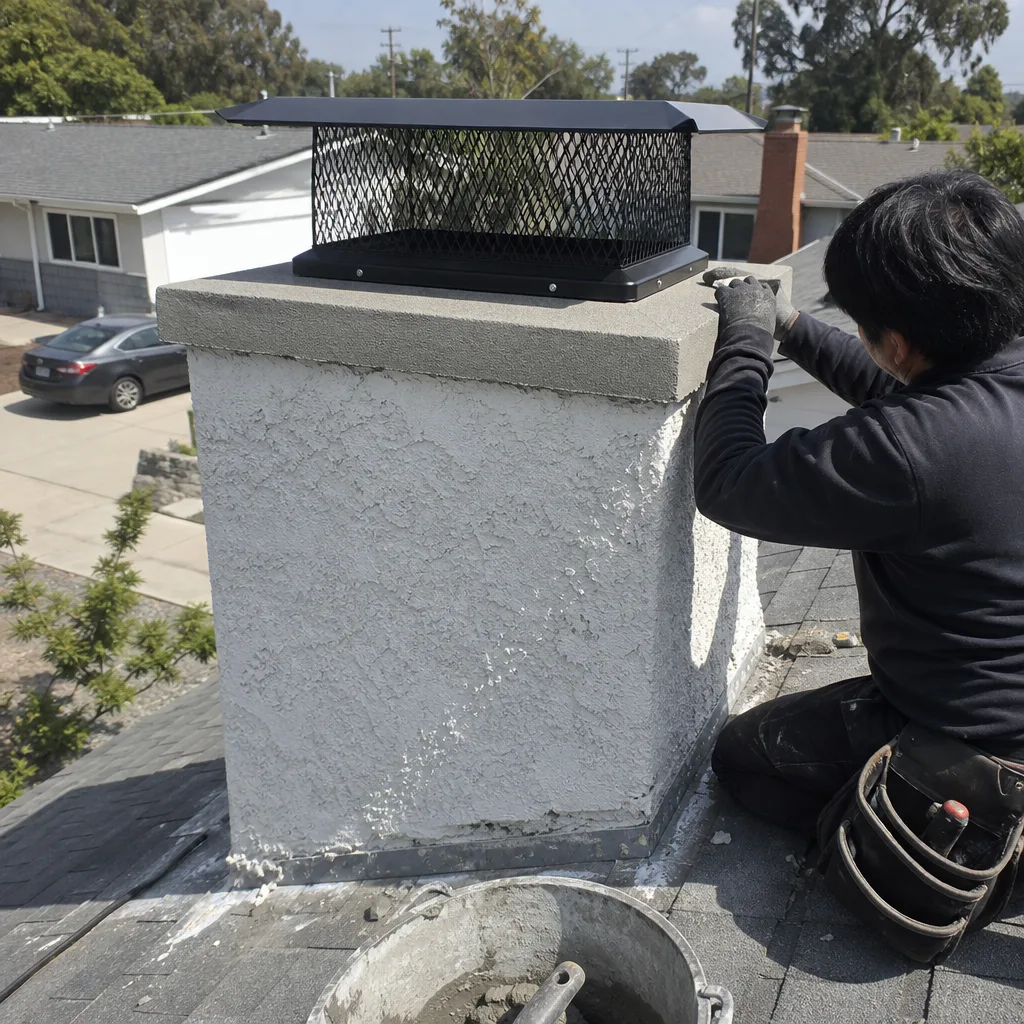
The most effective mitigation is a properly sized chimney cap with a spark arrestor screen. That’s the barrier that keeps wind-driven debris out while still allowing normal draft. A full-width cap with the right mesh protects against both debris and embers, which is important in Westminster’s fire-prone surrounding areas.
See the difference
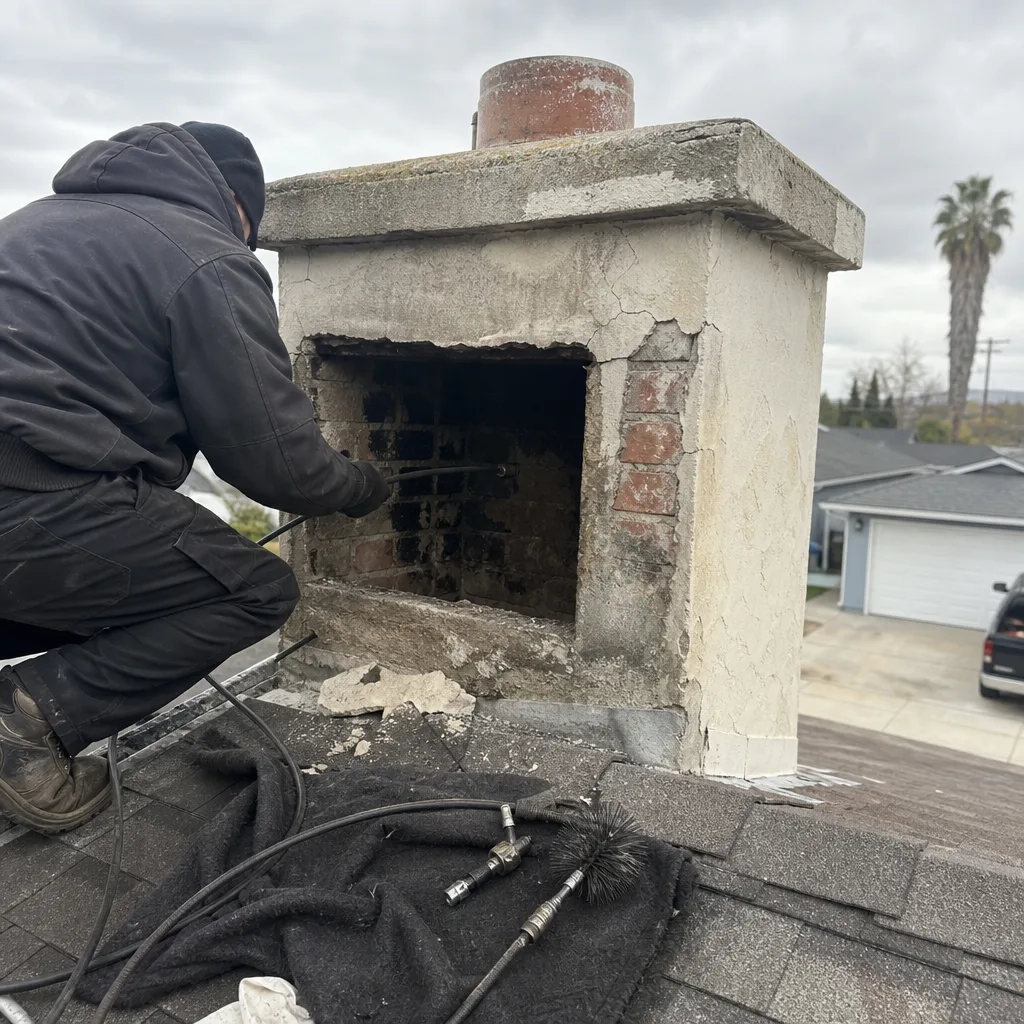 Before
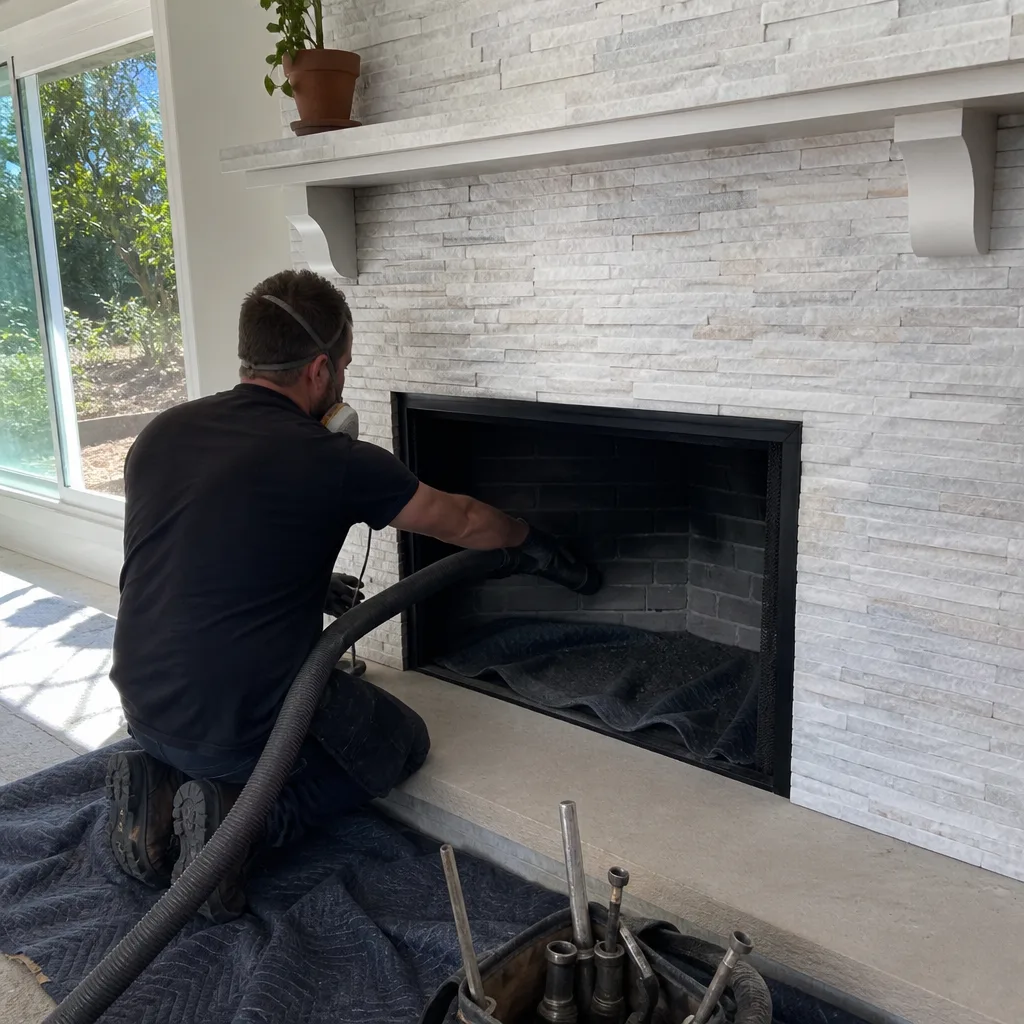 After
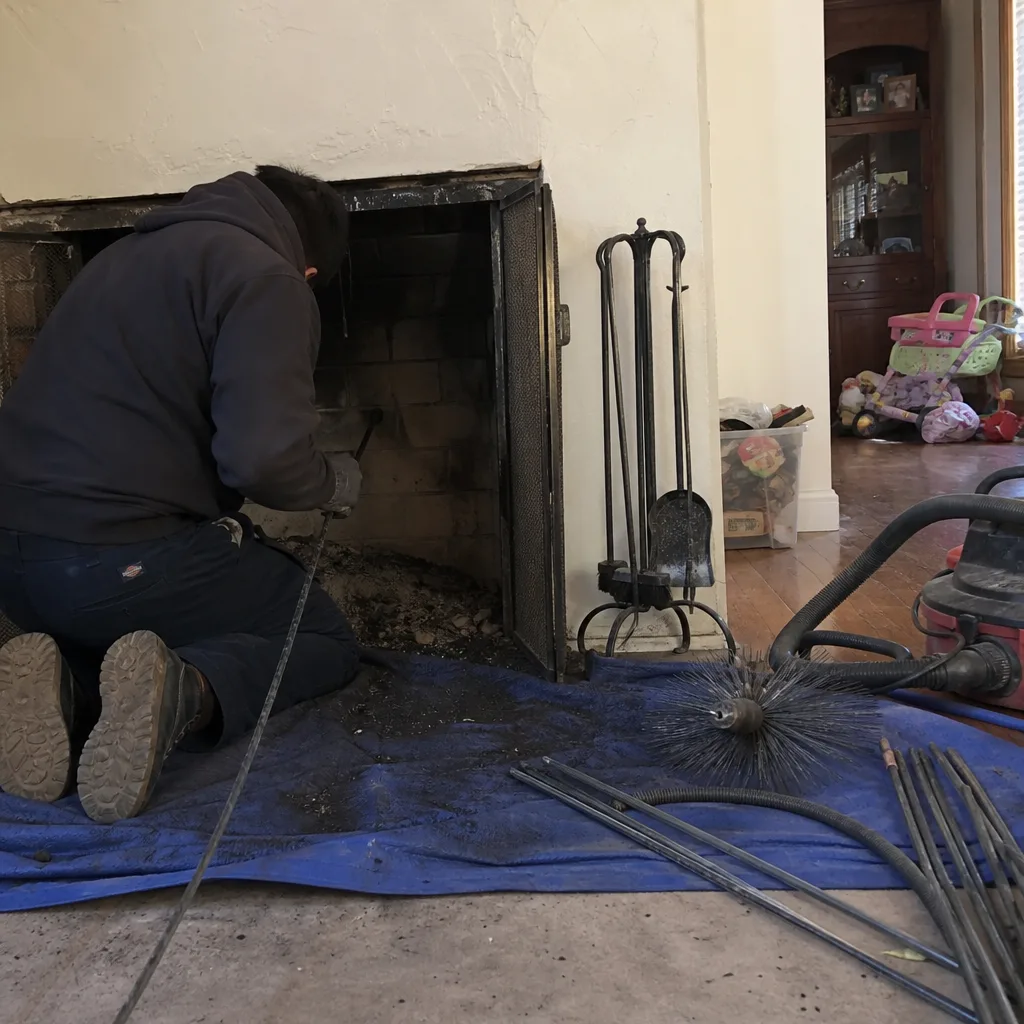 Before
 After
 Before
 After
Why a Chimney Cap Is Non-Negotiable in Westminster
Chimney caps do three jobs, and all three matter year-round in Westminster’s climate. They keep debris out, they keep animals out, and their spark arrestor screens prevent embers from escaping your chimney and landing on your roof or a neighbor’s dry vegetation. That last function gets special attention in Southern California fire country.
But the animal issue is what most homeowners underestimate. Westminster’s mild climate means chimney-nesting birds like chimney swifts are active across a much wider window than in colder regions. Squirrels and rats use chimneys as attics year-round. Without a cap and screen, a chimney can go from clean to fully obstructed by nesting material in a matter of weeks. We’ve pulled enough nest material out of uncapped Westminster chimneys to fill a pickup bed, and it’s always the same story: the homeowner had no idea anything was living in there until smoke backed up into the living room.
When we install or replace caps, we source from industry-standard manufacturers like Copperfield and Famco. These aren’t hardware store caps. The mesh is stainless steel that doesn’t rust apart under marine layer humidity, and the sizing accounts for the flue dimensions rather than coming in one-size-fits-most. Given Westminster’s year-round pest pressure and the annual Santa Ana cycles, a robust cap with a secure mounting system pays for itself quickly.
For a deeper look at what a chimney cleaning entails and how it’s performed, see our chimney sweep service in Westminster.
How Humidity Affects Clay Liners and Mortar: The Science
Clay tile liners are the standard in many older Westminster homes, and they have a specific vulnerability: thermal shock combined with moisture absorption. When a clay tile absorbs moisture from humid air, then suddenly heats up during a winter fire, the water trapped inside the tile expands as steam. That expansion creates internal stress in the tile, which manifests as cracking or spalling over time. The more humid your summer, the more moisture your clay liner holds, and the more vulnerable it becomes when fire season starts.
Mortar joints face the same basic problem on a slower timeline. Marine layer humidity soaks into the masonry, the sun bakes it out, and the mortar gradually breaks down through the same wet-dry cycling. Once joints start crumbling, water infiltration accelerates, and the chimney enters a deterioration cycle that gets progressively more expensive to fix the longer it’s ignored.
This is where maintenance and repair connect. A regular sweep keeps the liner clear. A proper cap keeps excess debris and moisture out. But when the liner itself is compromised, the fix is structural. We use HeatShield ceramic resurfacing for damaged flue liners in cases where the underlying structure is still sound enough to support it. The HeatShield material bonds to the existing tile, filling cracks and restoring a smooth, insulated surface. For more severely damaged or irregular flues, a DuraFlex flexible liner system may be the better option, especially in older Westminster homes with unconventional flue dimensions. Both approaches take the worn or cracked surface out of the equation entirely.
Common Mistakes to Avoid
- Skipping the October inspection because the chimney was cleaned in March. Seven months of Santa Ana debris and animal activity can undo a March cleaning. The October check is about what accumulated during dormancy, not just what burned off during winter.
- Using the fireplace as an outdoor fireplace substitute during Santa Ana season. Burning with an active wind event outside changes draft behavior unpredictably. Smoke and embers behave differently under high negative pressure, and that’s how house fires start.
- Ignoring a damp or musty smell coming from the fireplace in July. That smell is airborne moisture interacting with creosote residue. It’s an early indicator that the flue is holding humidity, which means liner and mortar degradation are active right now.
- Asking only how much a sweep costs, without asking what the inspection covers. A brush through the flue at a low price point often skips the smoke chamber, damper housing, and crown inspection. Those are the areas where real problems develop.
- Treating a cracked clay tile as a cosmetic issue. A cracked tile is a fire safety issue and a structural one. It exposes the chimney wall to direct flame and heat, which the tile is supposed to contain.
- Assuming gas fireplaces don’t need chimney maintenance. Gas produces less particulate than wood, but it still produces acidic condensation that corrodes metal liners and dampers, and the flue still hosts birds, debris, and moisture.
- Waiting until October to schedule a sweep. Westminster chimney companies are busiest in September and October. Booking in March or April means shorter wait times and more scheduling flexibility for deeper inspection work.
When to Call a Professional
Schedule a professional chimney inspection if you notice smoke backing into the house during normal use, if you see white staining on the exterior brick, if there’s a persistent musty odor from the fireplace during dry weather, or if you haven’t had the flue examined in more than two years. Also call if a Santa Ana event leaves debris on your hearth, since that material has already traveled through the flue and distributed whatever was up there into the living space. Any signs of crumbling mortar at the crown or chase top deserve prompt attention, since water entry through the crown attacks the entire chimney structure from the top down.
From sweep to structural repair, it’s handled by one team. Chimney Repair Westminster offers free estimates in Westminster, call (877) 358-3706. For structural issues, see our chimney repair services in Westminster.
Frequently Asked Questions
A standard chimney sweep and inspection in Westminster typically runs $150 to $350 depending on flue condition, accessibility, and whether it’s a wood or gas fireplace. Sweeps paired with structural inspection run higher because of the additional time and equipment involved. For an exact quote, call (877) 358-3706. Estimates are free, and we don’t recommend any additional work without camera evidence you can review yourself.
A wood-burning fireplace in Westminster should be swept at least once per year, ideally in March after the winter burn season ends. Households that burn more than three times per week from December through February should add a January mid-season check. Gas fireplaces can go two to three years between full sweeps in most cases, but the flue should still be inspected annually for animal activity, moisture, and liner condition.
Not necessarily. Small cracks in clay tile liners can sometimes be repaired with HeatShield ceramic resurfacing, which fills the crack and restores a smooth, insulated surface without removing the existing tile. More severe damage or irregular flue geometry may call for a DuraFlex flexible liner. The decision should be based on camera footage of the actual damage, not a verbal description. We don’t recommend liner work we can’t show you with photos or video.
Creosote accumulates into progressively more flammable stages, wind-blown debris adds dry fuel, animals build nests that obstruct the flue, and marine layer humidity accelerates liner and mortar degradation. The endpoint of that chain is either a chimney fire, a carbon monoxide event from a blocked flue, or a structural failure that costs far more to repair than years of routine sweeping. Moisture damage progresses whether or not you use the fireplace.
Yes. A blocked or partially blocked flue prevents combustion gases from venting properly, which can push carbon monoxide back into the living space. The risk is higher in newer, tighter homes that don’t leak air the way older houses do. That’s one reason annual inspection matters even for households that burn infrequently. The flue can become obstructed in a single season from a bird nest, a Santa Ana debris deposit, or glazed creosote.
Westminster follows California state building codes plus Orange County Fire Authority standards, which include specific requirements for spark arrestors, clearances, and venting on wood-burning appliances. The relevant sections are California Building Code Chapter 10 and the local fire code provisions. The short version: every wood-burning chimney in Westminster needs a properly sized spark arrestor screen, and gas appliance venting must meet manufacturer clearance specs. If you’re unsure whether your current setup complies, an inspection will flag any issues.
Climb up or use binoculars to look for rust on the mesh, gaps between the cap base and the flue top, or a cap that’s tilting. On the ground, signs of a failing cap include water streaks in the firebox after rain or heavy marine layer mornings, continuous animal activity despite having a cap, and debris accumulating inside the firebox even when the damper is closed. Caps from brands like Copperfield and Famco are designed to resist rust and wind damage, but even the best caps need a visual check once a year.
Yes, gas fireplaces face the same moisture exposure as wood burners. The difference is that gas fireplaces produce less creosote, so the primary risk is corrosion on metal components like dampers, liners, and firebox panels. The acidic condensation created by gas combustion eats away at these surfaces over time, especially in the humid stretches between May and August. Keeping the pilot light lit through the summer, or using a dehumidifier in the room, can reduce the internal moisture burden.
Related Services
Our chimney work in Westminster covers the full range from routine cleaning to structural restoration. Chimney Sweep in Westminster covers annual cleaning, inspection, and camera verification of flue condition. Chimney Repair in Westminster handles liner resurfacing, cap replacement, crown repair, and masonry work. And Dryer Vent Cleaning in Westminster addresses the other major fire hazard in the home, using the same inspection-first approach. All three services are performed by one specialist team, which means anything found during a sweep gets diagnosed and fixed by the same people, without bouncing between contractors. More context is available on the Chimney Repair Westminster home page.
What happens when you call
- 1
A real person answersNo phone trees – you reach a local pro.
- 2
You get an upfront price rangeHonest numbers before anyone is dispatched.
- 3
A background-checked tech heads outLicensed & insured, dispatched right away.
- 4
You approve before work beginsNothing starts until you say go.
The Bottom Line
Westminster chimneys live in a climate defined by Santa Ana winds, marine layer humidity, and short winter burn windows. Each of those forces leaves a specific imprint on the flue, liner, and masonry. The homeowner who recognizes the seasonal pattern can schedule maintenance that’s actually aligned with the conditions, rather than with a generic four-season calendar written for some other part of the country. The four-phase system is straightforward: October for pre-burn debris and cap work, January for a mid-season check if you burn heavily, March for the deep post-season clean, and July for humidity inspection and masonry assessment. None of these steps is complicated, but skipping any of them opens the door to the failure chain every chimney company in Westminster has seen too many times.
Written by the team at Chimney Repair Westminster, serving Westminster since 2012.