
Last updated November 2, 2026
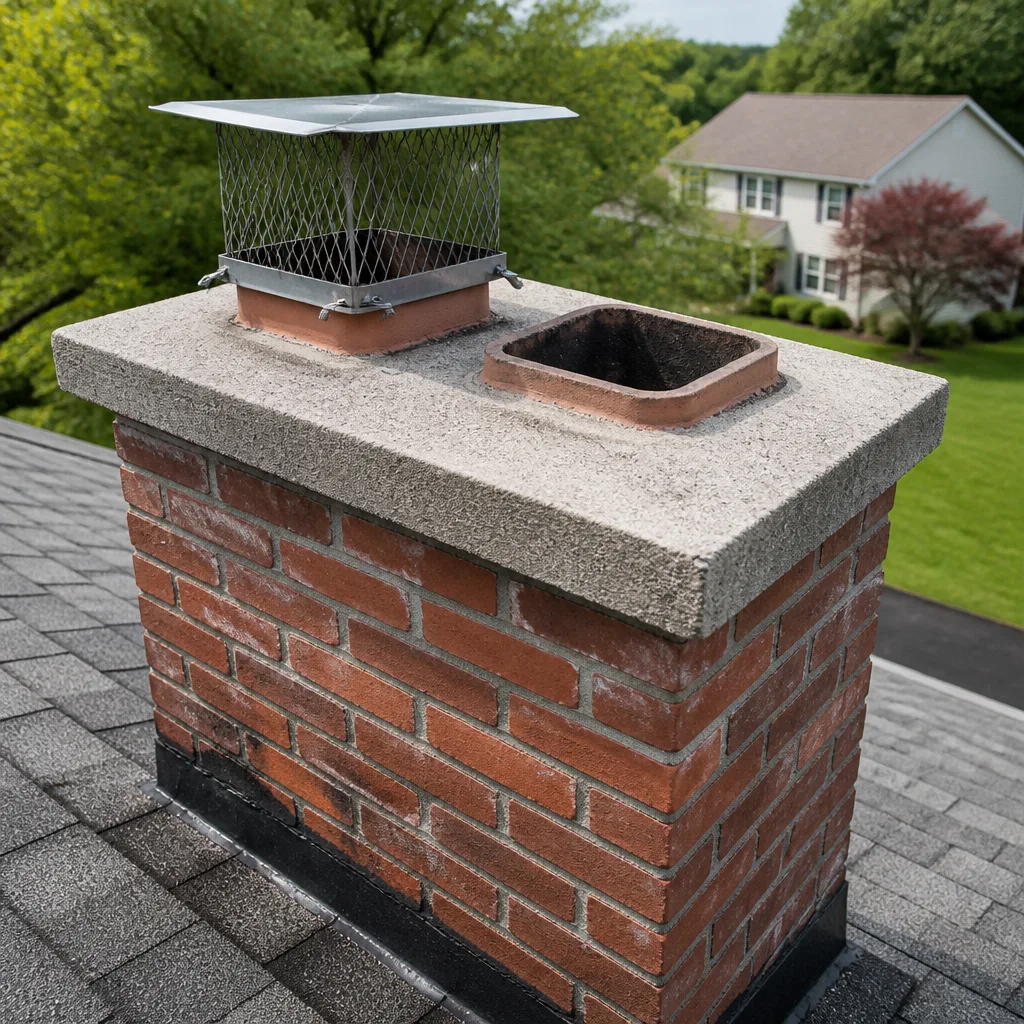 Sweep & inspection
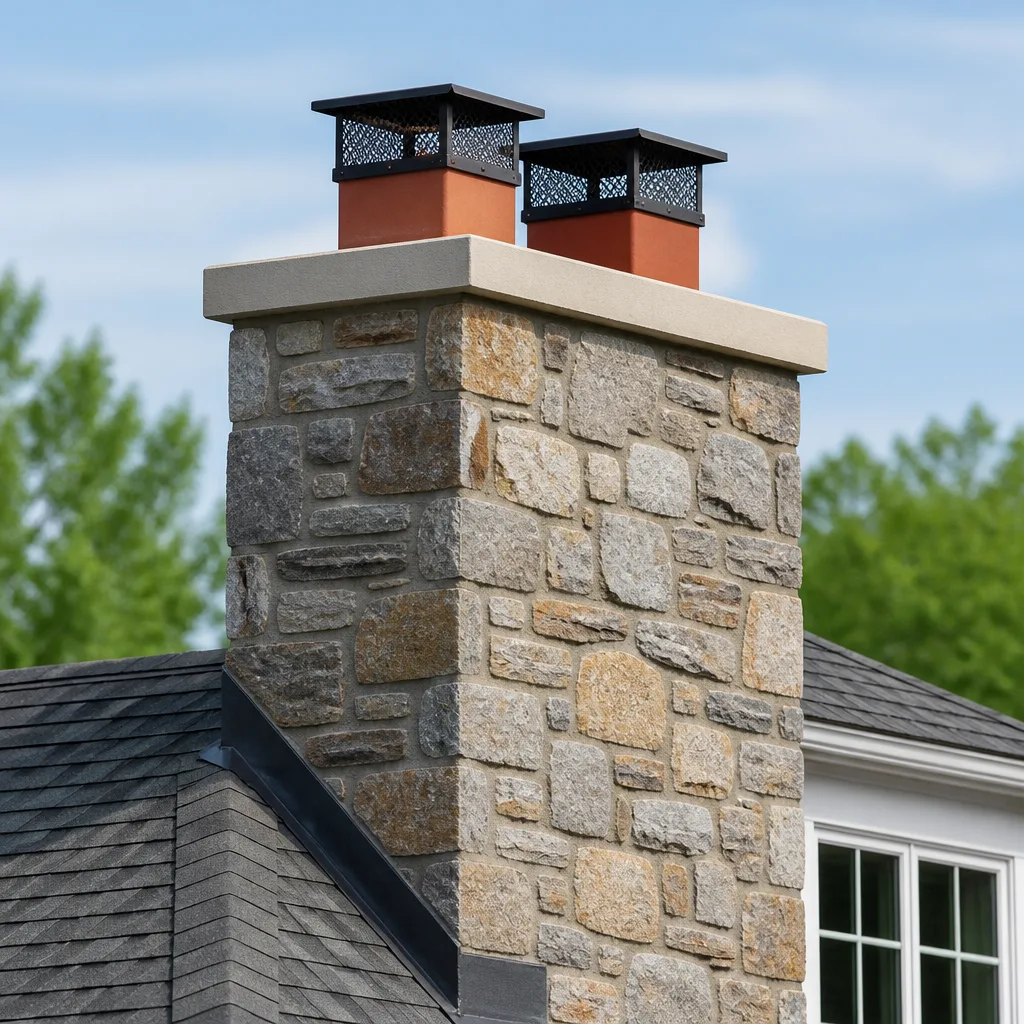 Caps & crowns
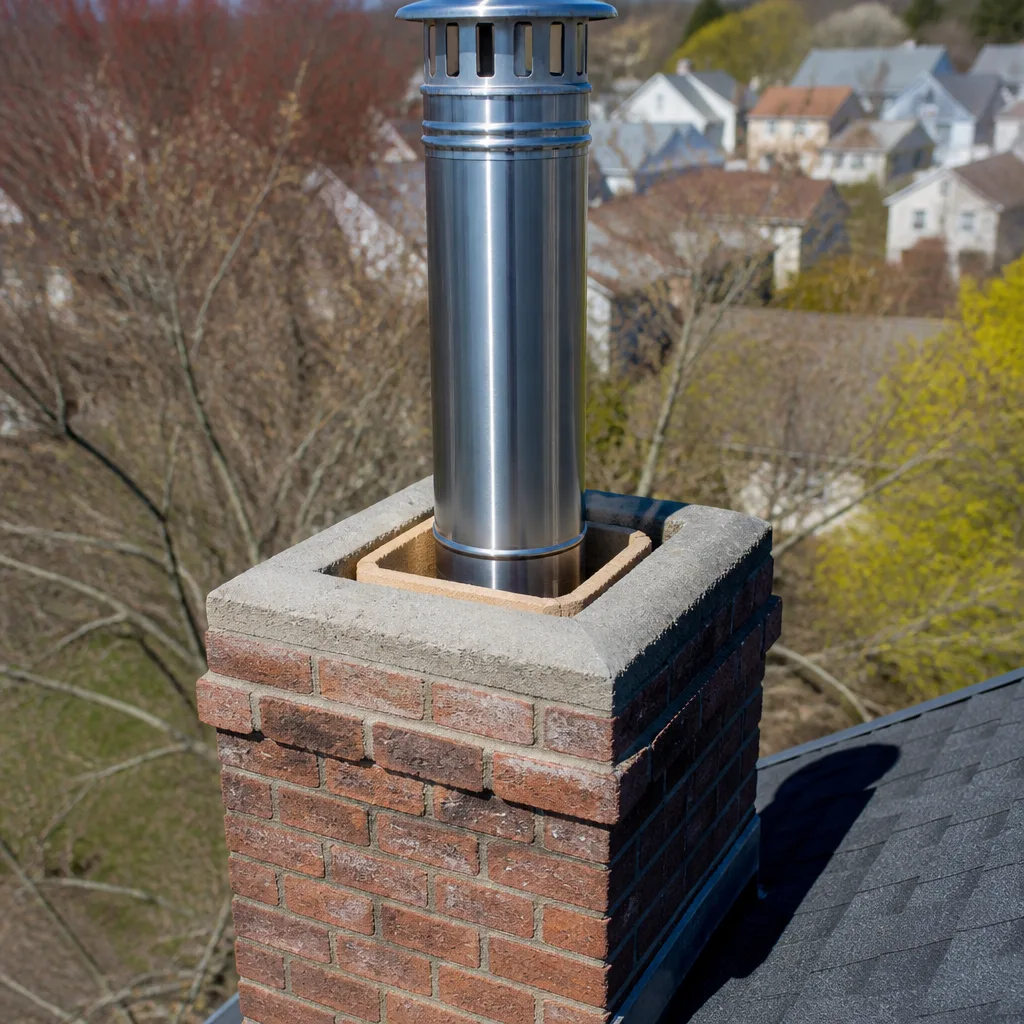 Flue relining
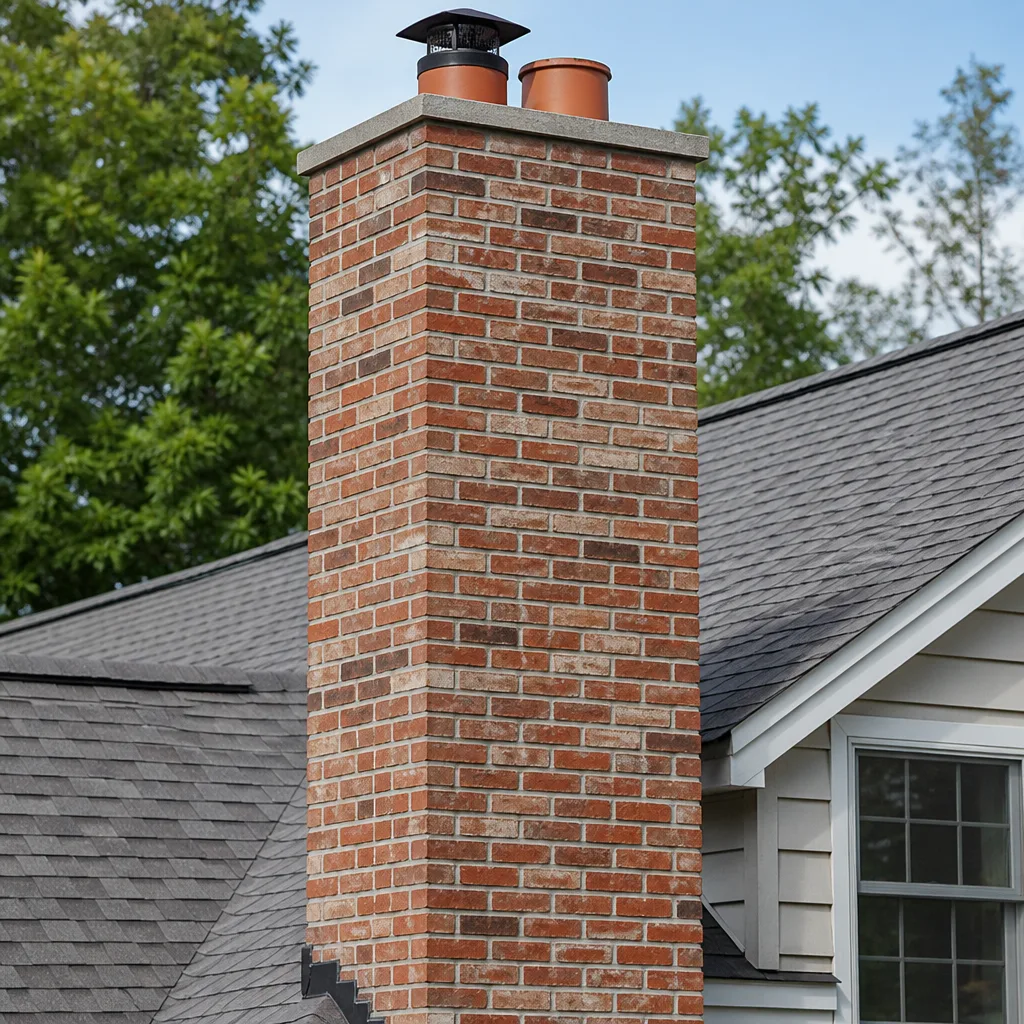 Masonry repair
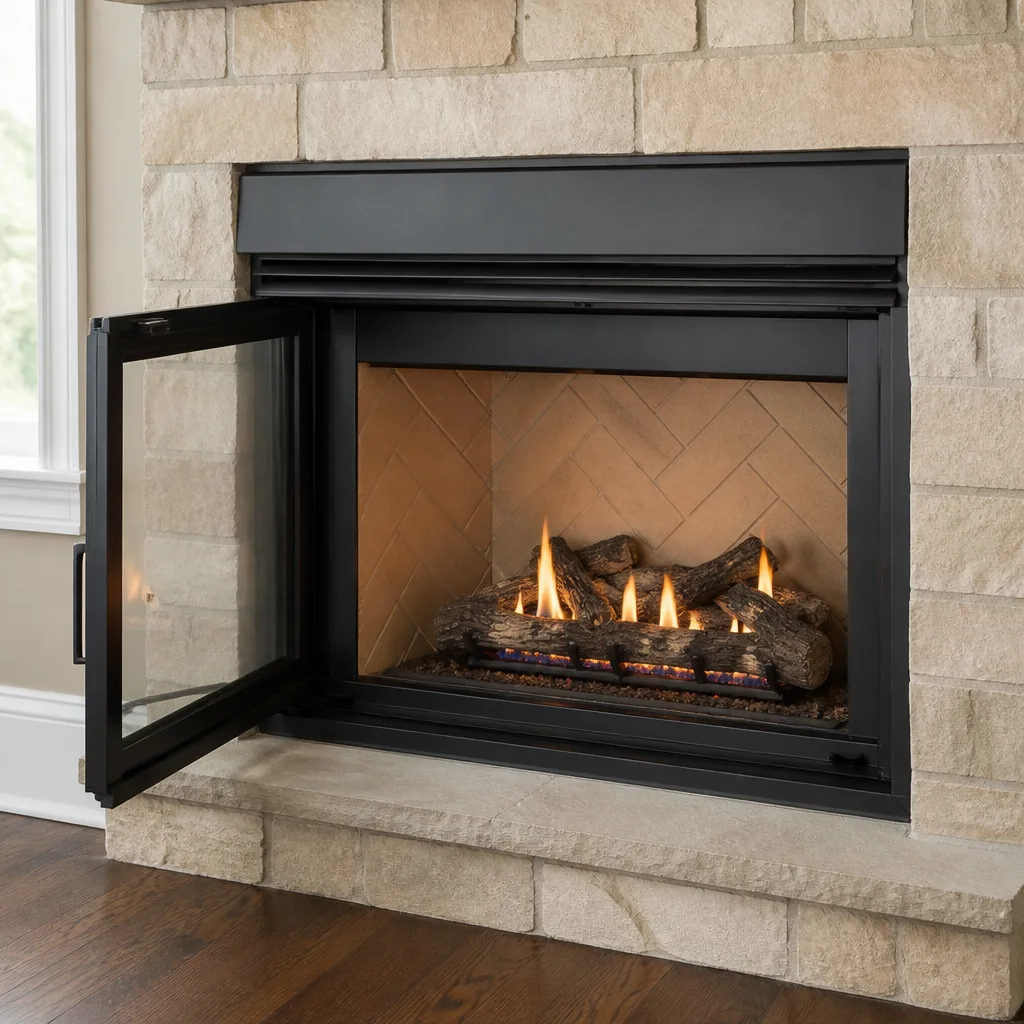 Gas fireplace service
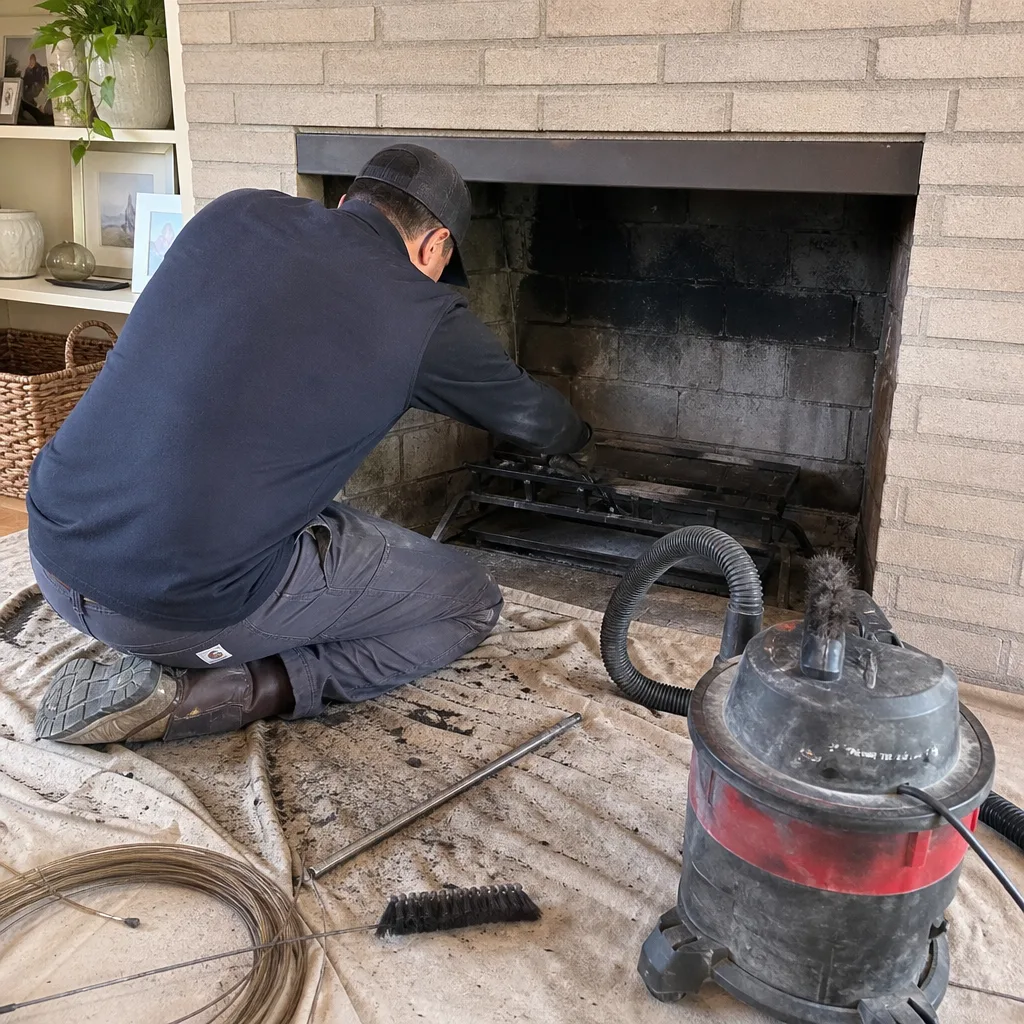
Level 1 sweep and inspection to the NFPA 211 annual standard - flue, crown, cap, and flashing checked and photographed
Chimney sweep logs do not sweep chimneys. They loosen some creosote - which then falls where a brush and vacuum still have to collect it.
Chimney Cleaning Emergency Preparedness Guide for Westminster Homes
A chimney fire can reach 2,000°F inside your flue within minutes of igniting, and many Westminster homeowners never realize one is happening because prefab metal fireboxes contain the noise and visual cues that masonry chimneys let through. This guide covers what actually matters in an emergency: how to recognize a chimney fire in progress, the correct response sequence, what happens after the fire is out, and the maintenance practices that prevent the emergency from ever occurring. We’ve written this for Westminster specifically, because our climate, housing stock, and seasonal burning patterns create a distinct set of risks that generic chimney advice misses.
Quick Answer
Chimney fire preparedness for Westminster homes means knowing the sensory signs of an active chimney fire in both masonry and prefab systems, executing the correct 10-step emergency response that starts with calling 911, and treating any post-fire chimney as structurally compromised until a Level 2 inspection clears it. The single most effective preparedness action is pre-season maintenance that removes creosote before it reaches ignition threshold, because once you’re in that 90-second emergency window, your options narrow dramatically. A thorough chimney sweep in Westminster before burning season is the difference between prevention and reaction.
Styles & brands we work with
- Sweep & inspection
- Caps & crowns
- Flue relining
- Masonry repair
- Gas fireplace service
Table of Contents
- The Science of a Chimney Fire: What’s Actually Happening
- How to Recognize a Chimney Fire in Progress
- The Emergency Response Sequence: Step by Step
- Post-Fire Protocol: Why You Can’t Just Start Burning Again
- Westminster’s Creosote Accumulation Patterns and What They Mean
- Pre-Season Preventive Maintenance That Actually Reduces Risk
- Building a Household Chimney Emergency Plan
- Liner and Structural Integrity: The Overlooked Preparedness Factor
The Science of a Chimney Fire: What’s Actually Happening
When you burn wood in a fireplace, the smoke carries unburned particles upward through the flue. As this smoke cools against the flue walls, those particles condense into creosote, a tarry or flaky substance that is highly combustible. Think of creosote as fuel lining the inside of your chimney. The more creosote present, the more fuel a stray ember or high flue temperature can ignite.
Once creosote ignites, the chimney becomes a contained blast furnace. The fire draws its own oxygen supply through the damper and the natural draft, feeding itself. Temperatures inside the flue can exceed 2,000°F, far hotter than any masonry or metal component was designed to withstand for more than a few seconds. In Westminster, where many homes were built between the 1950s and 1980s, chimney systems often have clay tile liners that crack under this thermal shock, opening pathways for fire to reach combustible framing.
Here’s what a chimney fire actually does, step by step, inside your home’s structure:
- Ignition: A hot ember or sustained high flue temperature ignites creosote deposits on the flue wall.
- Draft acceleration: The fire superheats the air in the flue, creating a stronger draft that pulls more oxygen in, which intensifies the fire.
- Structural stress: Clay liners crack under rapid thermal expansion. Metal liners can warp or separate at seams. Mortar joints fail.
- Heat transfer: Through cracks and gaps, 2,000-degree heat reaches wood framing, insulation, and other combustibles surrounding the chimney chase.
- Secondary ignition: If enough heat transfers through compromised materials, the house itself catches fire, often in attic spaces or wall cavities where it burns unnoticed for hours.
We should note here that a chimney fire isn’t always obvious from inside the house. This matters for Westminster homeowners because many of our homes have prefab or factory-built fireplaces with metal chimneys rather than traditional masonry. The containment design that makes these systems affordable and easy to install also muffles the sounds and hides the visual cues that masonry users rely on as warning signs. We’ll address those differences directly in the next section.
One type of heat damage we regularly see in Westminster is flue liner failure caused by a chimney fire the homeowner never noticed at the time. The fire burned hot and short, damaged the liner, and the homeowner discovered the problem months later during a routine inspection. By then, the chimney had been used repeatedly with a compromised liner, slowly transferring heat into the surrounding structure with every burn. A clean chimney and a sound chimney aren’t the same thing, and this is one of the clearest examples of why.
How to Recognize a Chimney Fire in Progress
Chimney fires present differently depending on whether you have a masonry or prefab system, and recognizing the signs quickly is the difference between a contained flue fire and a structure fire. The sensory signals fall into four categories: sound, sight, smell, and temperature. Here’s what each looks like in both system types.
Masonry Chimney Fire Signals
- Sound: A low rumbling or roaring noise, often described as a freight train or jet engine. This is one of the most reliable indicators because masonry chimneys don’t muffle combustion noise well.
- Sight: Flames or heavy smoke visible from the chimney top, sometimes extending several feet above the chimney cap. Inside the firebox, you may see the fire burning hotter and more intensely than normal, with flames drawing upward more aggressively.
- Smell: A sharp, acrid, chemical-like smell, distinct from the normal wood smoke scent. Some describe it as similar to a hot oven cleaning cycle gone wrong.
- Temperature: The wall surrounding the chimney, or the firebox surround, becomes noticeably hotter than it should. Radiant heat from the chimney can be felt several feet away.
Prefab Metal Chimney Fire Signals
Westminster homes built after the 1970s commonly use factory-built fireplace systems with double-wall or triple-wall metal chimneys. These systems are engineered to contain heat better than masonry, which is good for efficiency, but it means a chimney fire may not announce itself loudly. Here’s what to watch for:
- Sound: A muffled crackling or popping from inside the chimney, not the dramatic roar of a masonry fire. It may sound like the fire is burning inside the wall, because in a sense, it is.
- Sight: Warped or discolored metal components visible at the chimney top, or a chimney cap that shows heat damage. Inside, the firebox may show signs of excessive heat, such as warped metal panels or cracked refractory panels.
- Smell: A hot metal smell, like an overheated oven or a welding shop, combined with the creosote’s chemical acridity. Some homeowners describe it as burning plastic even when no plastic is present.
- Temperature: The metal chimney chase, visible on the roof and sometimes in attic spaces, becomes extremely hot. If you have attic access, checking the chase for excess heat after suspecting a fire is one way to verify.
Here’s the part most guides skip: a chimney fire can burn itself out without you ever knowing it happened, especially in a prefab system. If you notice any of these signals and they subside, you still need to treat the chimney as having experienced a fire. The structural damage occurs during the event, not after. A homeowner in Westminster who notices a brief roaring sound, unusual smell, and then nothing won’t be harmed if they call for an inspection, but may be seriously harmed if they assume the chimney is fine and continue burning.
The Emergency Response Sequence: Step by Step
When you suspect a chimney fire, every second counts, but acting in the wrong order can make things worse. This is the sequence we recommend to every Westminster homeowner, and it’s worth memorizing before you ever need it. The first step is non-negotiable: call 911 before attempting anything else.
- Call 911 immediately. Do not wait to see if the fire subsides. Do not attempt to handle it yourself first. Chimney fires can transition into structure fires within minutes, and firefighters need lead time to respond. A chimney fire is a fire in your home, and the professional response window matters.
- Evacuate everyone from the home. Including pets. Do not stop to collect belongings. If the chimney fire has already breached the flue and reached framing, the structure fire may be burning invisibly above your head.
- Close the fireplace damper if you can do so safely without reaching into the firebox. This reduces oxygen flow to the chimney fire, but it is secondary to evacuation. If the damper is already closed, leave it closed.
- Close the firebox doors or glass screen if your unit has them. This doesn’t extinguish the chimney fire, but it contains any embers that might escape into the living space.
- Do NOT throw water into the fireplace. Water on a hot firebox creates steam that can scald you, and thermal shock on hot masonry or metal can cause immediate structural cracking. You may turn a contained chimney fire into a structure fire.
- Do NOT climb onto the roof. Firefighters have equipment and training for this. The roof around the chimney may already be compromised by heat, and your presence adds weight and risk.
- Wait for firefighters outside at a safe distance. Have your address posted clearly, and if you know where your chimney is located relative to the house, tell the responding crew when they arrive.
- After firefighters clear the home, do not use the fireplace again. Not once. Not for a small fire. The chimney is structurally compromised until a professional inspection says otherwise.
- Schedule a Level 2 chimney inspection. In Westminster, this means a certified chimney professional will examine accessible areas including attic, crawlspace, and exterior for damage. More on this in the post-fire section below.
- Document everything. Take photos of any visible damage, note what you heard and smelled, and keep all inspection reports. Your homeowner’s insurance may require this, and it helps any professional you hire understand what occurred.
Notice what’s not on this list: no fire extinguisher, no baking soda, no chimney fire suppressant sticks. Those tools have roles in very narrow circumstances, but the smartest move in a chimney fire is to call professionals and get out. The 90-second window between “something’s wrong” and a fully established chimney fire is not a window for heroics. It’s a window for a phone call and evacuation.
Post-Fire Protocol: Why You Can’t Just Start Burning Again
After a chimney fire, the fireplace looks exactly like it did before, in most cases. Ashes in the firebox, blackened firebox walls, perhaps a faint smell. That’s the trap. The damage from a chimney fire is internal, in the flue liner and mortar joints, not in the visible firebox. Using the fireplace again without addressing that internal damage is how homes burn down weeks or months after the chimney fire itself was extinguished.
A chimney fire subjects the flue to temperatures that clay liners and metal components were not designed to withstand. Here’s what happens to the materials:
- Clay tile liners: Crack, shatter, or spall under thermal shock. A cracked liner can’t contain the next fire’s heat or gases, and the cracks become pathways for heat to reach framing.
- Metal liners and chimney pipes: Warp, separate at seams, or experience metal fatigue that weakens the structural integrity. A separated seam inside a chimney chase is a direct pathway for heat into the wall cavity.
- Mortar joints: Fail, creating gaps between flue tiles where creosote can accumulate and heat can escape. These gaps also allow carbon monoxide to leak into the living space rather than venting upward.
- Chimney cap and crown: Can warp or crack, allowing water intrusion that further degrades the system over time.
The only way to assess this damage is a Level 2 inspection, which is specifically designed for post-fire assessment and for circumstances where the chimney system’s integrity is in question, including after a chimney fire, after a seismic event, or before a property sale. A Level 2 inspection includes everything in a standard Level 1 sweep and inspection, plus examination of accessible areas like the attic, crawlspace, and exterior chimney chase. In some cases, the professional will use a camera system to examine the flue interior, particularly when liner damage is suspected. Camera documentation matters because it converts an opinion into evidence. A good chimney professional will show you the images and explain exactly what the damage means for your system’s safety. If the technician recommends a liner repair or replacement, ask to see the camera footage. A professional who stands behind their diagnosis will have it ready.
If the inspection reveals liner damage, solutions vary based on the specific system. For clay tile chimneys with cracking, a stainless steel liner system using materials from manufacturers like DuraFlex or Famco can restore the flue’s integrity without rebuilding the chimney. For metal factory-built chimneys that have experienced fire damage, component replacement may be necessary. In cases where the flue has suffered less severe surface damage, a ceramic resurfacing product like HeatShield can restore the interior surface. These aren’t hypothetical options; they’re the specific materials that chimney professionals across North America install, and they’re what we stock and use in Westminster for post-fire repairs.
Westminster’s Creosote Accumulation Patterns and What They Mean
Creosote doesn’t accumulate the same way everywhere. It depends on burning habits, wood type, flue temperature, and climate. In Westminster, we see a specific pattern that homeowners should understand because it directly affects how often a chimney needs cleaning and what kind of creosote is likely to form.
Westminster’s climate is mild, with cool evenings and mornings during the winter burning season but rarely the sustained deep cold that drives continuous fireplace use in other climates. This means Westminster residents typically burn in shorter, intermittent sessions, often in the evening after work, rather than keeping a fire going all day. Intermittent burning produces a different creosote profile than continuous burning, and here’s the short version: low-temperature, short-duration fires create more creosote per volume of wood burned than hot, continuous fires. When you light a fire, the flue takes time to reach proper operating temperature, and during that warm-up period, more unburned particles condense on the flue walls. If you’re burning for only two or three hours at a time, a significant portion of your burn session is spent in that creosote-producing warm-up phase.
Add to this the type of wood available to many Westminster residents. If you’re buying firewood from local suppliers, ask whether it’s properly seasoned oak or another hardwood. Green or unseasoned wood, which is common when suppliers cut corners or homeowners harvest their own, produces significantly more creosote because the fire burns cooler as it works to evaporate the wood’s internal moisture. This is the exact mechanism that accelerates creosote buildup in our area.
The practical takeaway: annual chimney sweeping is the minimum for any fireplace that gets regular seasonal use, and some Westminster homes need a mid-season sweep depending on how much unseasoned wood they’ve burned. The National Fire Protection Association standard says chimneys should be swept when creosote reaches 1/8 inch of accumulation, but no homeowner can reasonably see or measure that, so the annual pre-season sweep is the reliable cadence. If you burn more than three cords per season, or if you notice a strong campfire smell in the house even when the fireplace is cold, schedule an additional chimney sweep in Westminster rather than waiting for the next annual visit.
Pre-Season Preventive Maintenance That Actually Reduces Risk
Emergency preparedness begins months before the first fire of the season. The single most effective action you can take is a professional chimney sweep and inspection before you start burning, because it removes the fuel (creosote) and identifies structural issues that would make a chimney fire more dangerous if one occurred. But there’s more you can do beyond the annual sweep.
Here’s our Chimney Sweep Maintenance Checklist for Westminster Homeowners:
- Schedule a professional chimney sweep and Level 1 inspection before your first burn. This removes accumulated creosote and gives you a structural baseline. If the technician finds issues, you address them before the burning season, not during an emergency.
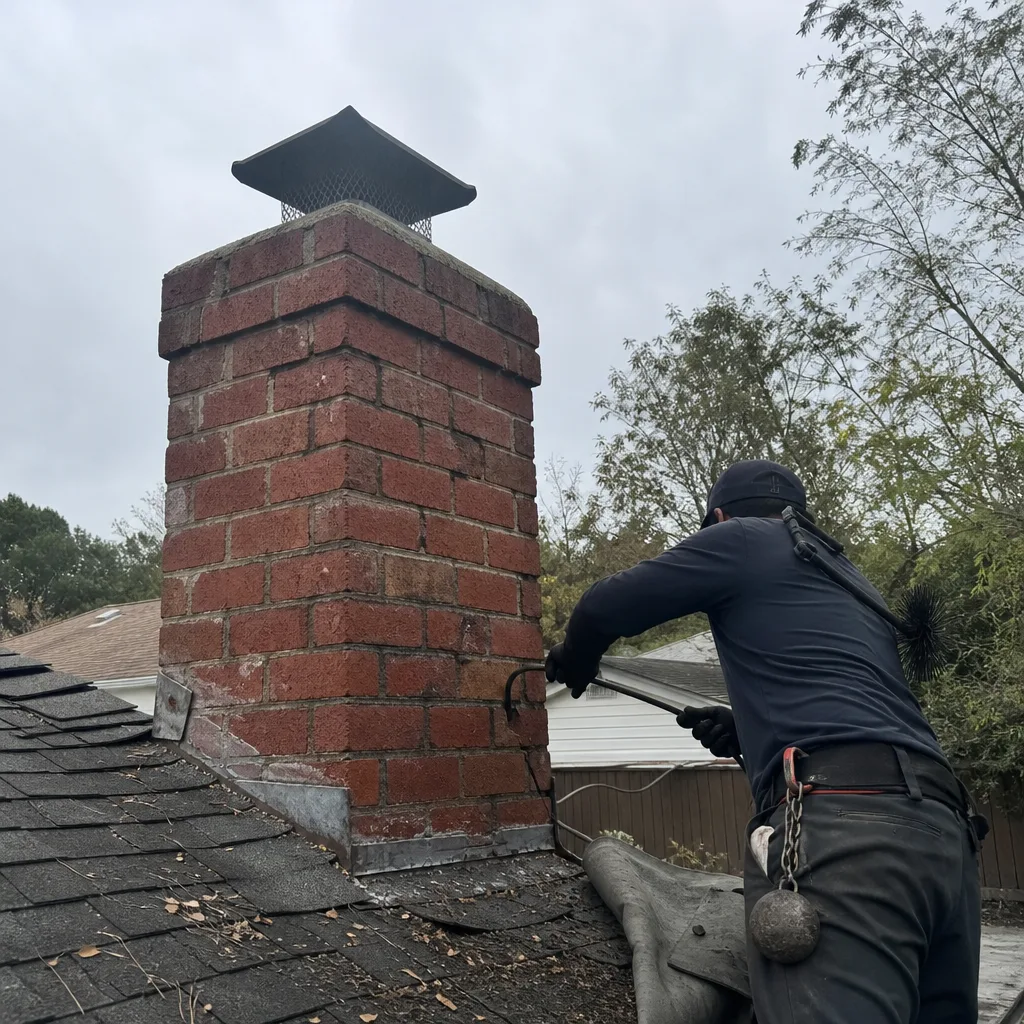
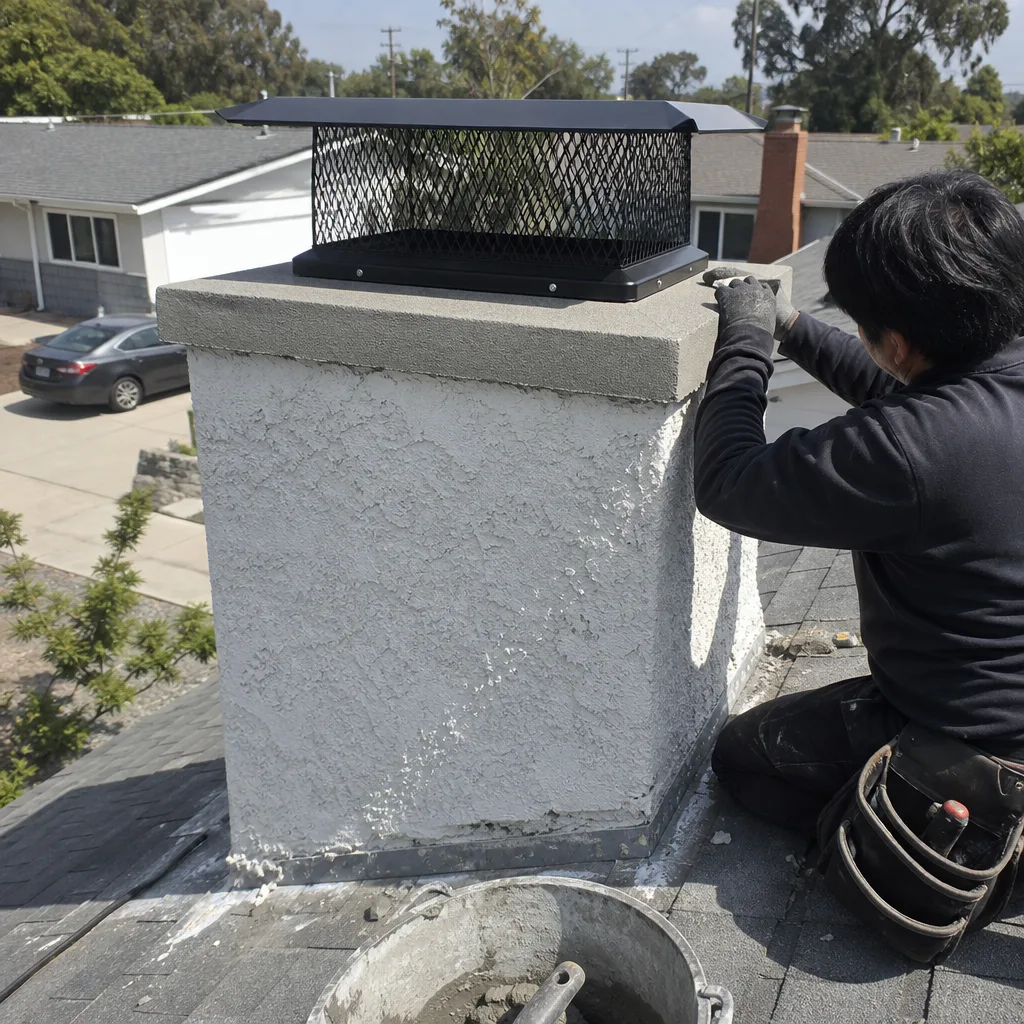
- Check the chimney cap and spark arrestor. A damaged or missing cap allows water, debris, and animals into the flue, all of which can create blockages that turn into chimney fire or carbon monoxide hazards. Westminster’s dry season means less water intrusion risk than coastal areas, but birds and rodents are year-round.
- Use only seasoned hardwood. Wood should be cut, split, and dried for at least six to twelve months. If you’re unsure, a moisture meter is a cheap investment. Hardwood burns hotter and produces less creosote than softwood or green wood.
- Check the damper operation. The damper should open fully and close fully, with no sticking or warping. A damper that doesn’t close properly drafts cold air into the house when the fireplace isn’t in use, and one that doesn’t open properly restricts airflow during burns, increasing creosote formation.
- Inspect the firebox for cracks or damage. Look at the refractory panels in prefab units and the firebrick in masonry fireplaces. Cracks in these components allow heat to reach materials not designed for direct flame exposure.
- Verify carbon monoxide detectors are operational and correctly placed. More on this in the household plan section below, but the pre-season check is essential. A CO detector that didn’t get fresh batteries in October is exactly the one that won’t alert you in January.
One structural item that deserves its own mention: the chimney liner. In Westminster, where many homes have clay tile liners from original construction (1950s through 1980s), these liners age and crack even without a chimney fire. A cracked liner is both a fire risk and a carbon monoxide risk. If your pre-season inspection reveals liner damage, the repair should be completed before you burn. Modern stainless steel liners, including systems from DuraFlex and components from Famco, are designed to handle the thermal cycling of regular use and can be installed in most existing chimneys. The team at Chimney Repair Westminster handles chimney repair in Westminster including liner assessment and replacement, and we use materials the chimney industry trusts, not hardware-store substitutes.
Building a Household Chimney Emergency Plan
If a chimney fire starts, no one should be figuring out what to do on the spot. A household emergency plan takes twenty minutes to create and means that everyone in the home, including children old enough to understand, knows the sequence. Here’s how to build one for a Westminster home.
Step 1: Place and test carbon monoxide detectors correctly. CO detectors should be installed on every level of the home, including the basement and outside sleeping areas. The placement near bedrooms matters more than placement near the fireplace, because the goal is to wake you if CO accumulates while you’re sleeping. Test every detector monthly and replace batteries twice a year, including at the start of burning season. CO is odorless and colorless, and the first sign of exposure in many cases is headache and drowsiness, which is easy to misinterpret. The detector is the only reliable early warning.
Step 2: Teach everyone in the home how to close the damper. In an emergency, the person closest to the fireplace may not be the adult who usually manages fires. Show every household member where the damper control is and how to operate it. But emphasize that closing the damper is secondary to calling 911 and evacuating. No one should delay evacuation to close a damper.
Step 3: Establish the evacuation meeting point. A specific spot across the street or at a neighbor’s driveway. Everyone should know to go there and stay there until firefighters arrive. In an emergency, this removes the confusion of people searching for each other.
Step 4: Keep information ready for firefighters. When you call 911, be prepared to tell the dispatcher: your exact address, where the chimney is located in the house (front, rear, side), whether you have a masonry or prefab fireplace, and whether everyone is out of the home. In Westminster, response times vary by distance from the station, and the more specific information you can provide, the faster firefighters can address the actual problem.
Step 5: Know your chimney system type. If you don’t know whether you have a masonry or factory-built fireplace, find out now. The two systems respond differently to fire, and firefighters can make better tactical decisions if they know which they’re dealing with. This information should be in your plan and told to the dispatcher during an emergency call.
Step 6: Include the dryer vent in your fire safety plan. Most guides treat the chimney and dryer vent as separate concerns, but the fire-safety logic is identical. Lint accumulates in dryer vents the same way creosote accumulates in chimneys, and dryer vent fires are a leading cause of residential fires in the U.S. A single service call that addresses your dryer vent cleaning in Westminster alongside your chimney sweep covers both leading fire-hazard sources at once. Your dryer vent is a fire risk too, and a household emergency plan should acknowledge that.
Liner and Structural Integrity: The Overlooked Preparedness Factor
Most chimney emergency discussions focus on creosote and sweeping, which makes sense, since creosote is the fuel. But the severity of a chimney fire, and whether it becomes a structure fire, depends heavily on the condition of the flue liner and the chimney’s structural integrity. A chimney with a clean, intact liner that experiences a chimney fire is a serious event. A chimney with a cracked liner that experiences the same chimney fire is potentially a catastrophic one.
Here’s why: the liner is the barrier between the fire and your home. In a properly functioning chimney, even a 2,000-degree flue fire stays contained because the liner holds the heat and gases inside the flue path until they exit at the top. But if the liner has pre-existing cracks, gaps, or missing sections, the fire’s heat and flames find those openings and transfer into the surrounding structure through convection and radiation. A chimney fire that would have been contained in a sound chimney becomes a wall fire or attic fire in a chimney with liner damage, and those fires burn undetected for hours before anyone notices.
This is why the structural component of chimney maintenance is emergency preparedness, not just home improvement. In Westminster, where many homes were built before modern stainless steel liners became standard, clay tile liner condition is a serious variable. Clay liners crack from age, from thermal stress, and from the repeated heating and cooling cycles of seasonal use. Once cracked, they don’t heal. They get worse.
The repair options depend on the specific damage. For some chimneys, a stainless steel liner install using components from DuraFlex or Copperfield is the right call, replacing the damaged clay with a modern system designed for the thermal environment. For others, ceramic resurfacing with HeatShield restores the existing flue’s interior surface without a full liner replacement. These aren’t interchangeable options; the right one depends on the chimney’s configuration, the severity of the damage, and how the fireplace is used. A qualified chimney professional can assess which is appropriate for a specific home.
We include Chimney Repair Westminster home link here deliberately, because our service model is built around this exact relationship: finding the problem and fixing it, not just sweeping and walking away. From sweep to structural repair, handled by one team.
Common Mistakes to Avoid
- Assuming no noise means no chimney fire. Prefab metal chimneys muffle combustion noise, and many Westminster homeowners have experienced chimney fires without the classic “freight train” roar. Any unusual smell, crackling from inside the chimney, or excessive heat warrants professional attention, even if the fireplace seems fine afterward.
- Throwing water on a chimney fire. Water creates steam that can scald and thermal shock that cracks masonry and metal. The correct response is to call 911 and evacuate, not to improvise suppression inside the firebox.
- Using the fireplace after a chimney fire because it “looks fine.” The damage is inside the flue, not in the visible firebox. Every chimney fire requires a Level 2 inspection before the fireplace is used again.
- Assuming an annual sweep is unnecessary because you “don’t burn much.” Low-temperature, intermittent burns, which describe how most Westminster residents use their fireplaces, actually produce more creosote per unit of wood burned than hot, continuous fires. Light use doesn’t mean low creosote.
- Ignoring the dryer vent because it’s not a chimney. Lint fires are among the leading causes of residential fires. If you’re thinking about home fire safety comprehensively, the dryer vent belongs in the conversation alongside the chimney.
- Buying firewood without verifying seasoning. Green wood burns cooler and produces significantly more creosote. If you can’t confirm the wood has been properly seasoned for six to twelve months, a moisture meter check is worth the thirty seconds it takes.
- Neglecting the chimney cap. A missing or damaged cap allows debris, animals, and water into the flue, and a blocked flue is a carbon monoxide hazard as well as a fire hazard. The cap is a small component with an outsized impact on chimney function.
See the difference
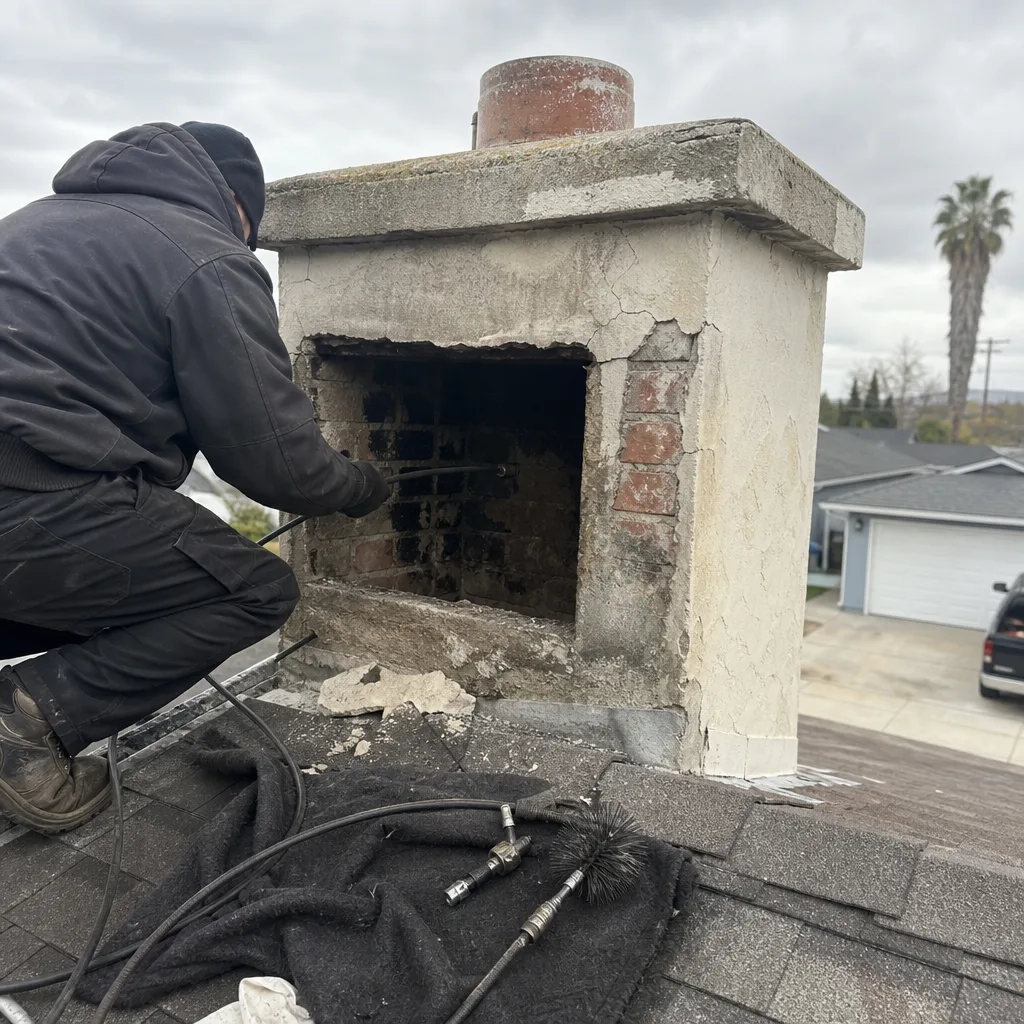 Before
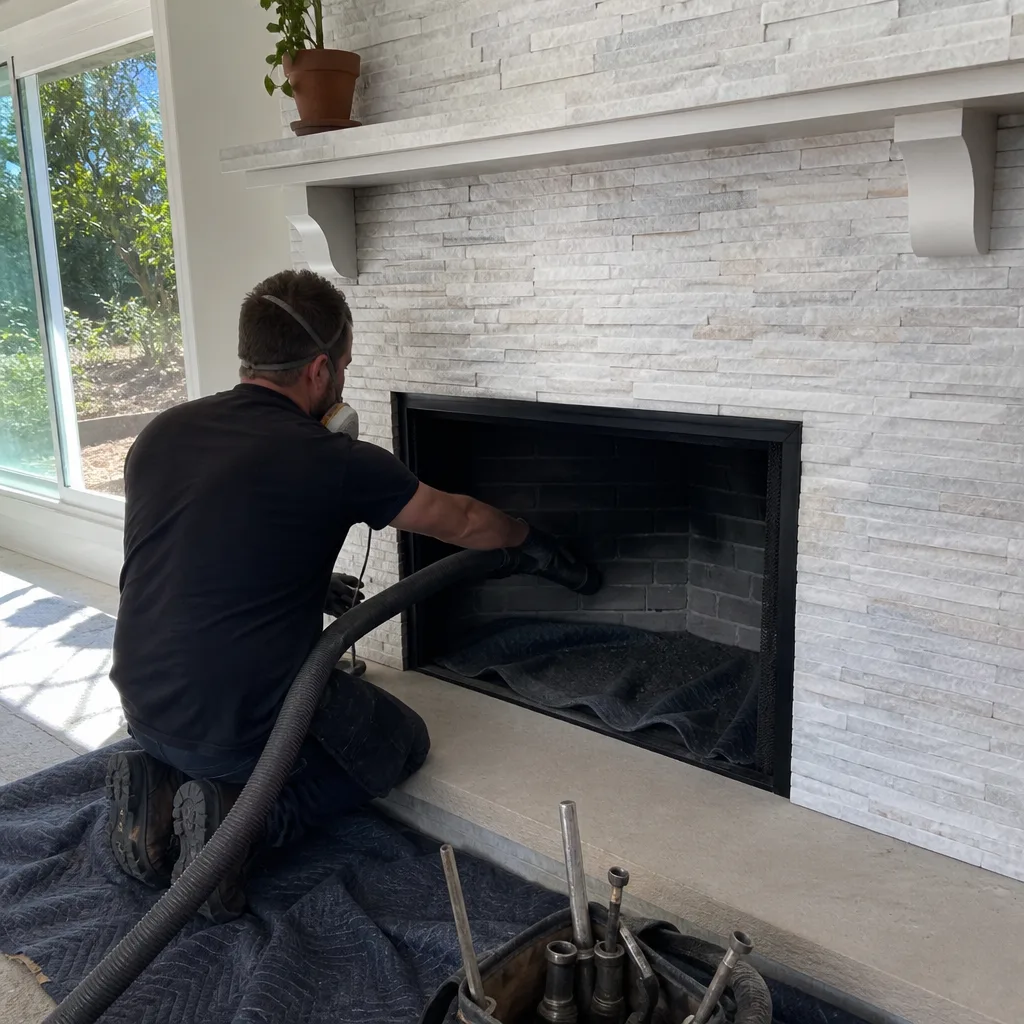 After
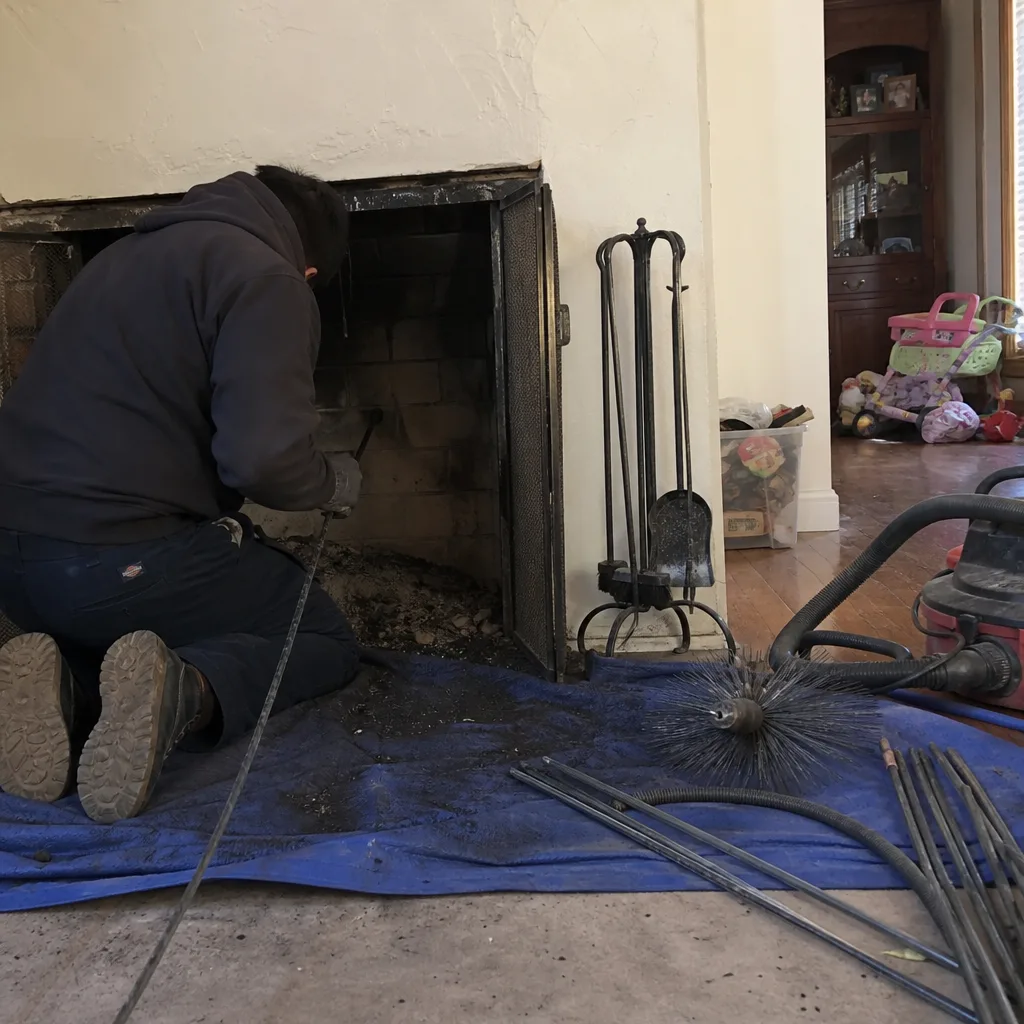 Before
 After
 Before
 After
When to Call a Professional
Call a professional chimney company before burning season for a sweep and inspection, and call immediately after any suspected chimney fire, no matter how minor it seemed. If you’ve noticed a strong creosote smell in the house, visible creosote buildup in the flue, or your fireplace is drafting poorly, those are indicators that maintenance is overdue. If your pre-season or post-fire inspection reveals liner damage, structural cracks, or other integrity issues, the repair needs to be completed by a company that handles structural chimney work, not just surface cleaning. For Chimney Cleaning Permits, Codes & Inspections in CA: What You Need to Know, or to schedule a sweep, inspection, or repair assessment, Chimney Repair Westminster offers free estimates in Westminster – call (877) 358-3706. We diagnose what we find and fix it on the same call when possible.
Frequently Asked Questions
A standard chimney sweep in Westminster typically ranges from $150 to $300 depending on the chimney type and accessibility, with inspection included in the service. Prefab systems are generally at the lower end of that range, while masonry chimneys with multiple flues or difficult roof access land at the higher end. The price varies based on condition and the time since the last sweep, and we provide an exact quote before work begins. Call (877) 358-3706 for current pricing specific to your chimney system.
A chimney used regularly during the burning season should be swept at least once per year, ideally before the first fire of the season. Westminster’s intermittent burning pattern means creosote forms during the warm-up phase of each burn, which can accumulate faster than homeowners expect. If you burn more than three cords per season, or if your wood is not perfectly seasoned, a mid-season sweep may be necessary. The simplest rule: schedule the pre-season sweep every year and listen to the inspection findings.
Not every chimney fire or inspection finding requires a full liner replacement. The answer depends on what the inspection reveals: minor surface damage may be addressed with a ceramic resurfacing application, while cracked clay tiles or damaged metal components typically require a stainless steel liner system. The key is evidence. If a technician recommends a liner replacement, ask to see the camera footage showing the damage. A legitimate diagnosis comes with documentation, not just a verbal recommendation.
Creosote continues to accumulate, and the chimney fire risk increases with every burn. A skipped year usually doesn’t create an emergency on its own, but two or three skipped years, combined with green wood, can produce enough creosote to support a chimney fire. The compounding factor is that you don’t know your liner condition without an inspection, so a skipped sweep also means a skipped structural check. The small annual cost is far lower than post-fire repair work.
Chimney cleaning logs can help reduce some creosote forms, but they are not a substitute for professional sweeping and inspection. They don’t remove the hardened, glazed creosote that poses the highest fire risk, and they don’t allow anyone to examine the flue for cracks, blockages, or other structural issues. The value of a professional sweep isn’t just the cleaning; it’s the inspection that catches problems before they become emergencies.
Most homeowner’s policies cover chimney fire damage including structural repairs, but coverage varies by provider and policy terms. The important step is documentation: after any chimney fire, document visible damage, keep inspection reports, and contact your insurer promptly. Some policies require proof of regular professional maintenance, which is another reason to keep records of your annual sweeps. We can’t tell you what your specific policy covers, but we can provide the inspection documentation your insurer will likely request.
The Bottom Line
Chimney fire preparedness for Westminster homes comes down to two things: knowing the emergency response sequence and eliminating the conditions that make a chimney fire possible. The response sequence is simple: call 911, evacuate, close the damper if safe, and never use the fireplace again until a Level 2 inspection clears it. The prevention side is equally simple: a pre-season sweep every year, seasoned hardwood only, functioning CO detectors, and a structural inspection that catches liner damage before it becomes a bigger problem. Most chimney fires are preventable. The ones that aren’t are survivable with the right preparation. Both start with the same step: a professional sweep and inspection before burning season. For more guides & resources, visit our blog. Call (877) 358-3706 to schedule yours.
Written by the team at Chimney Repair Westminster, serving Westminster since 2012.