
Last updated November 2, 2026
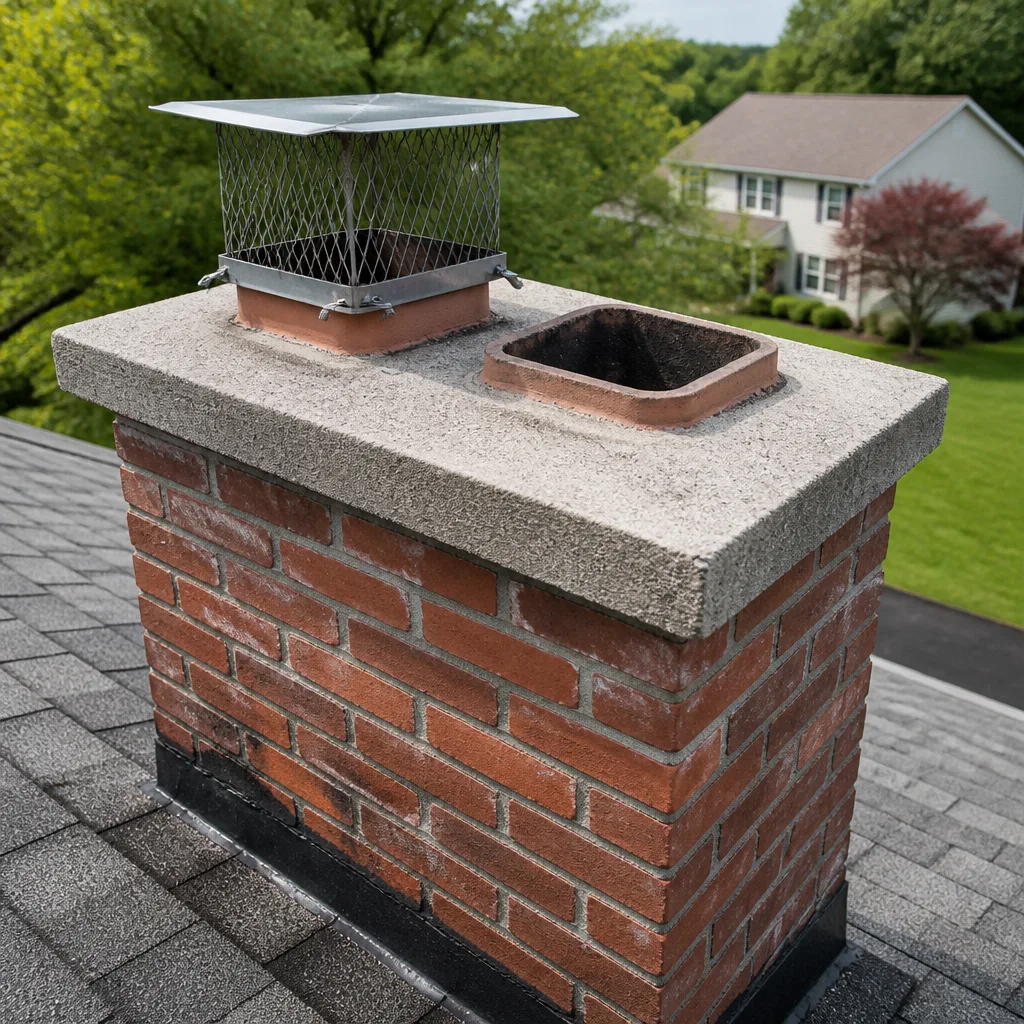 Sweep & inspection
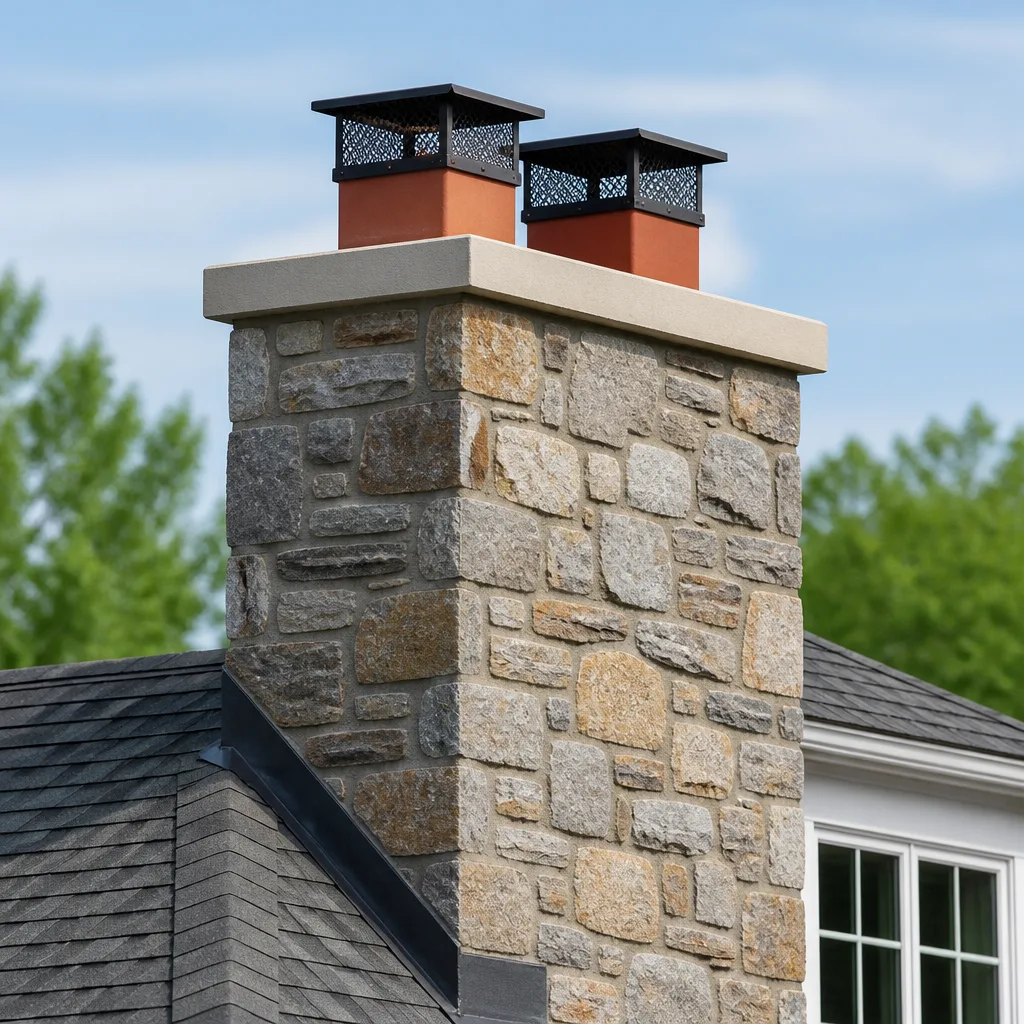 Caps & crowns
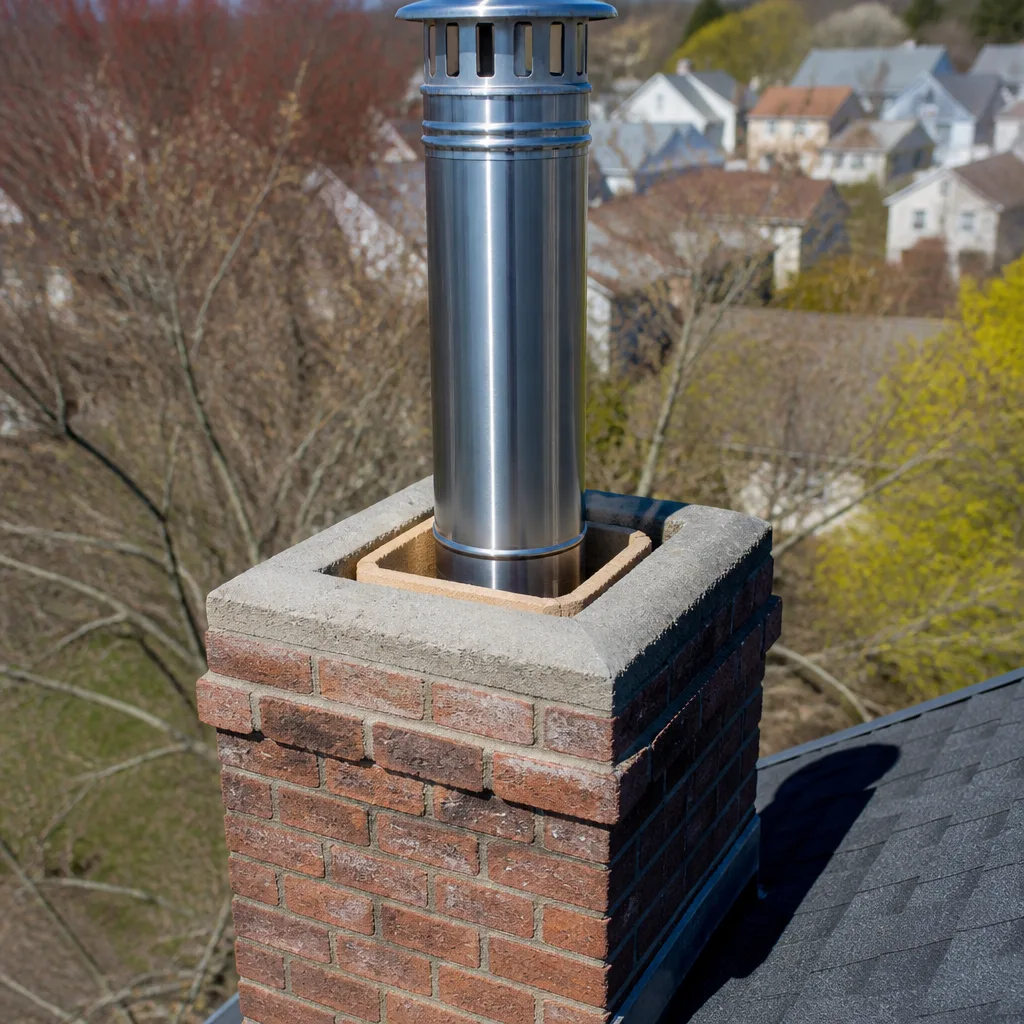 Flue relining
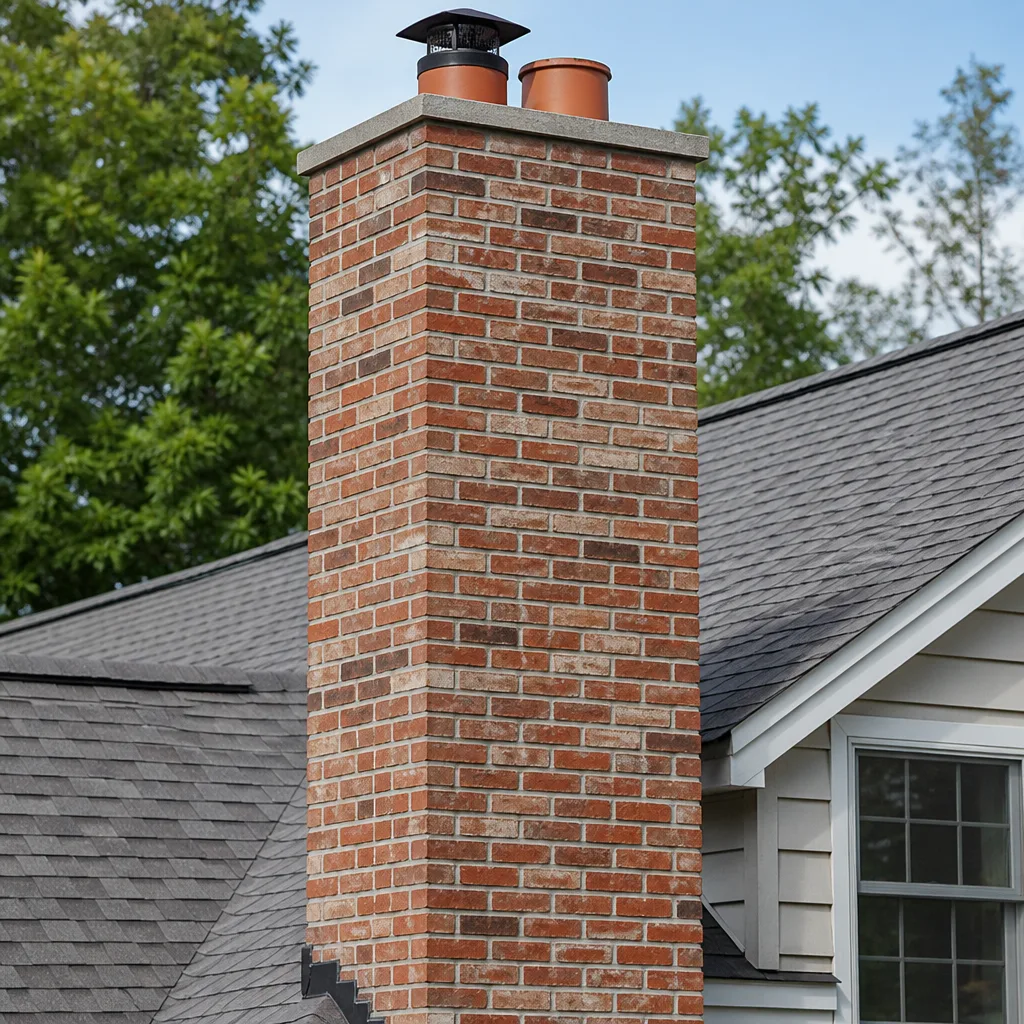 Masonry repair
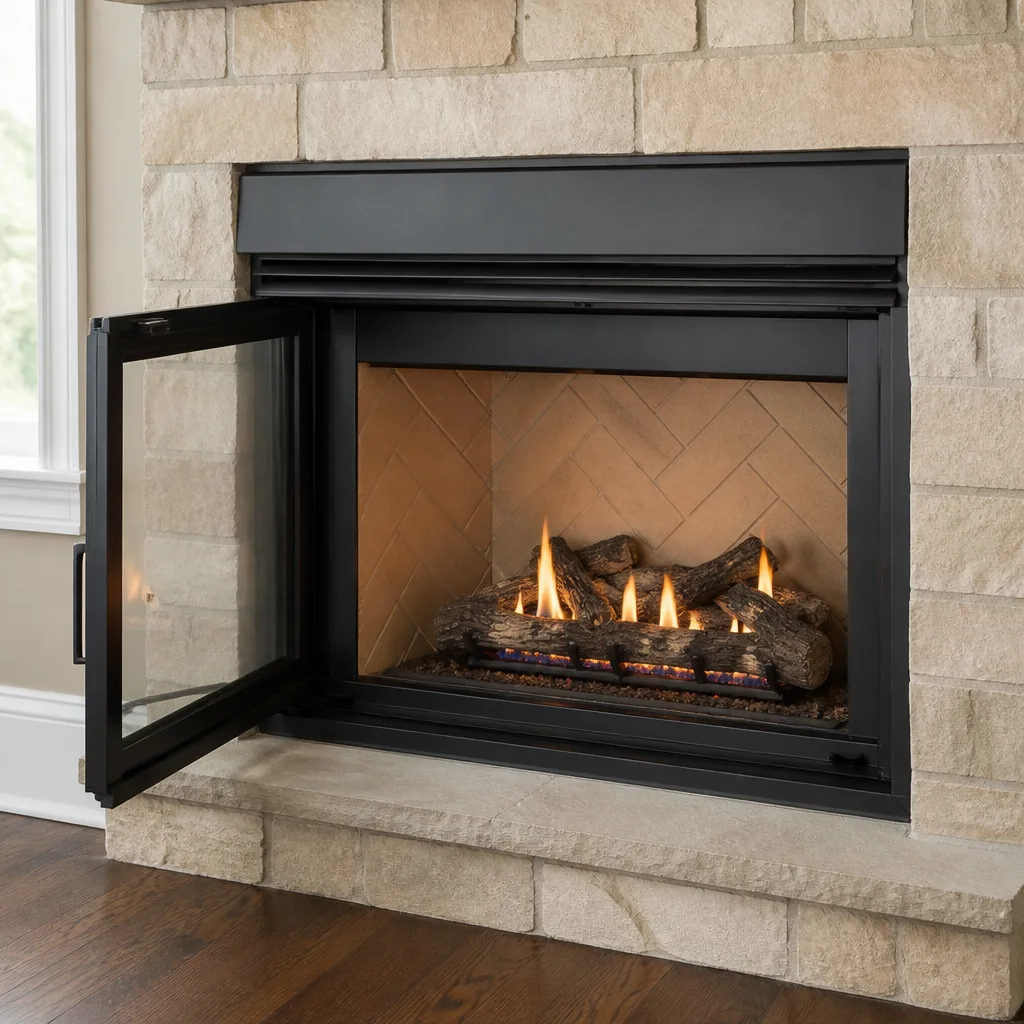 Gas fireplace service
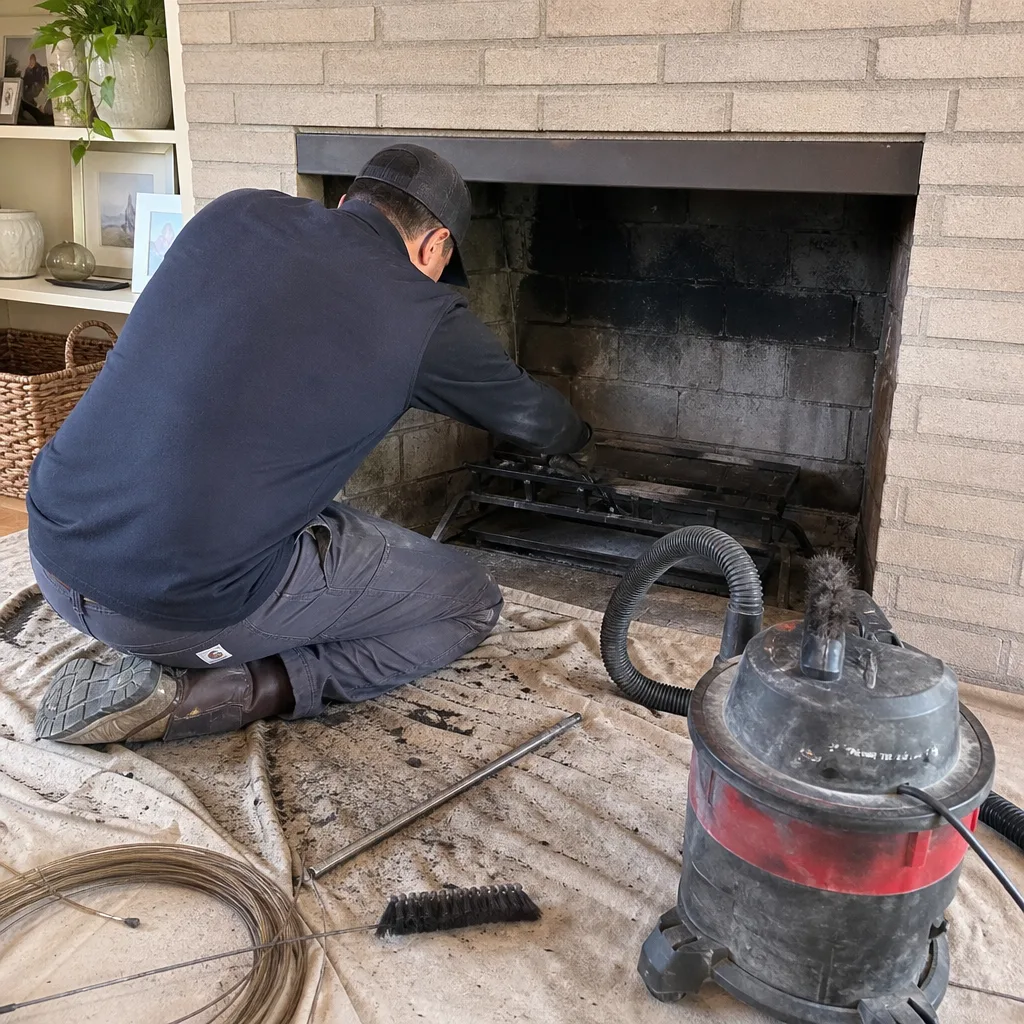
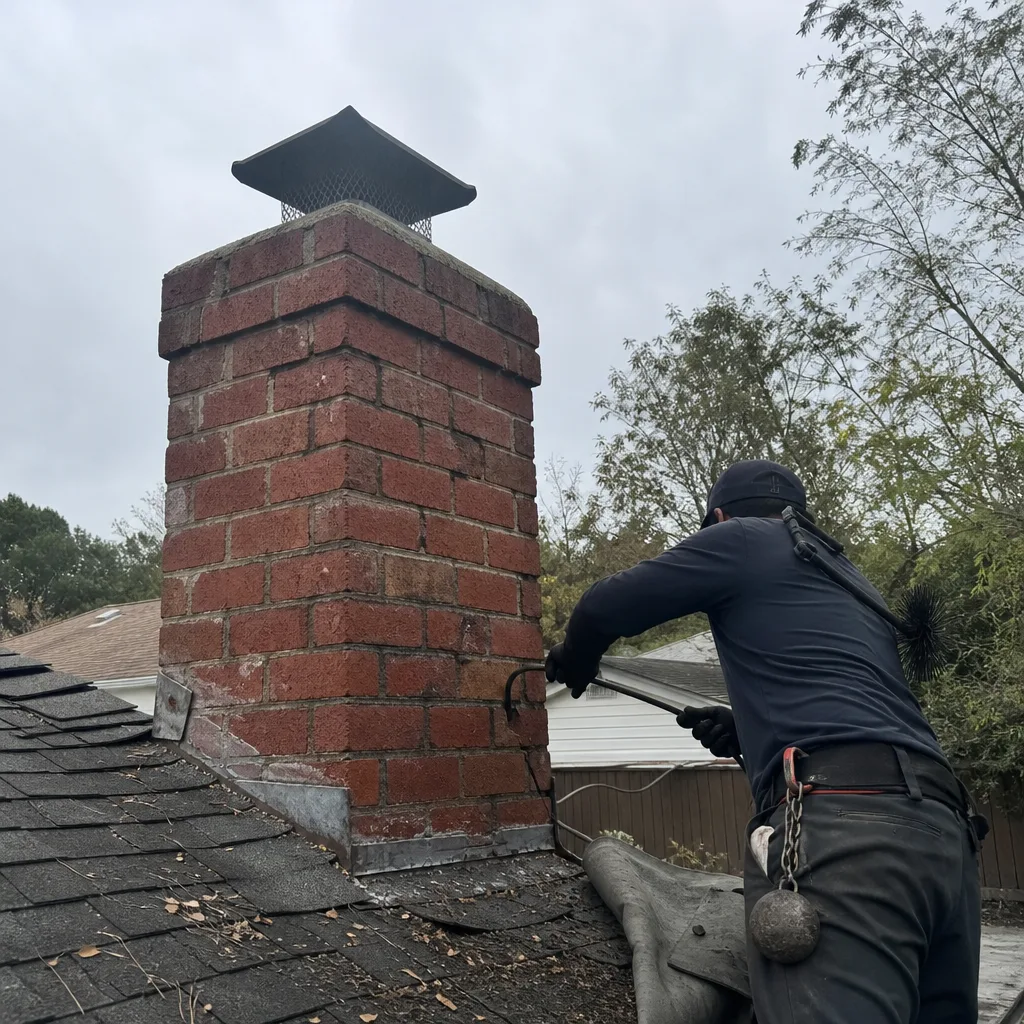
Level 1 sweep and inspection to the NFPA 211 annual standard - flue, crown, cap, and flashing checked and photographed
Chimney sweep logs do not sweep chimneys. They loosen some creosote - which then falls where a brush and vacuum still have to collect it.
Chimney Cleaning Permits, Codes & Inspections in CA: What You Need to Know
No permit is needed to clean your chimney in California. But if that cleaning uncovers a cracked liner, damaged firebox, or deteriorated cap, and you repair it without pulling a permit, that unpermitted work can surface during a home sale inspection and become a negotiating liability. In Westminster, where homes built in the 1960s and 1970s now face aging masonry and original clay liners, this scenario plays out more often than most homeowners expect. This guide walks through the actual code sections, local amendments, inspection triggers, and permit procedures that govern chimney work in Westminster and Orange County, so you know exactly where cleaning ends and regulated repair begins. For Chimney Sweep Maintenance Checklist for Westminster Homeowners, see our related resource.
Styles & brands we work with
- Sweep & inspection
- Caps & crowns
- Flue relining
- Masonry repair
- Gas fireplace service
Quick Answer
Chimney cleaning requires no permit anywhere in California, including Westminster, but chimney repairs almost always do. California Fire Code Section 603 mandates annual inspection and cleaning-as-needed for masonry chimneys, while the California Residential Code and Westminster’s local amendments require permits for liner replacement, firebox repair, and structural masonry work. South Coast AQMD Rule 445 adds wood-burning restrictions that affect how and when Westminster homeowners can use their fireplaces from November through February.
Table of Contents
- California Fire Code Section 603: What It Actually Requires
- Westminster’s Local Amendments to the California Residential Code
- South Coast AQMD Rule 445: Wood-Burning Rules in Orange County
- When a Level 2 Inspection Becomes Legally Required
- How to Pull a Chimney Repair Permit in Westminster
- Chimney Liners, Caps, and the Permit Question
- What Unpermitted Chimney Work Does to a Home Sale
- Common Mistakes to Avoid
- When to Call a Professional
- Frequently Asked Questions
- The Bottom Line
California Fire Code Section 603: What It Actually Requires
California Fire Code (CFC) Section 603 is the backbone of chimney regulation in the state, and Westminster enforces it through the Orange County Fire Authority. The code is blunt about one thing: a chimney is a fire containment system, not a decorative feature. Section 603.1 requires that chimneys, flues, and vents be maintained in a safe condition, free from obstructions, and inspected at least once per year if the fireplace is used. “Used” is the operative word. A fireplace that sits idle for three years doesn’t exempt you from the inspection requirement if you light a fire in year four. The code expects that the first fire follows an inspection, not the other way around.
What Section 603 does not do is require a permit for cleaning. Sweeping, brushing, vacuuming, and visual inspection are maintenance activities. The California Building Standards Commission treats them no differently than cleaning gutters or flushing a water heater. Permits enter the picture when the inspection finds a defect that requires repair. At that point, you’ve crossed from maintenance into modification, and the California Residential Code takes over. In practice, Orange County enforcement focuses on two things: whether a chimney has been inspected before use, and whether any repair work was done with permits. The first is rarely enforced proactively. The second surfaces during home sales, insurance claims, and fire investigations.
For homeowners in Westminster, the practical takeaway is simple. Schedule an annual sweep and inspection because the fire code expects it, not because a city inspector is going to knock on your door. The real risk isn’t a code enforcement officer citing you. It’s an insurance adjuster denying a claim after a chimney fire when the inspection history shows the chimney hadn’t been serviced in seven years. We’ve seen this happen in Anaheim, Garden Grove, and Westminster. The insurance company doesn’t need a code violation to deny the claim; they need a maintenance lapse that a reasonable homeowner should have caught. Section 603 gives them that standard.
Westminster’s Local Amendments to the California Residential Code
California is a statewide-code state, but local jurisdictions can amend portions of the California Residential Code (CRC) to address local conditions. Westminster, like most Orange County cities, has adopted amendments that affect chimney work in specific ways. The most relevant for homeowners involves firebox and hearth dimensions, spark arrestor requirements, and the materials approved for liner replacement. Cities don’t publish these amendments in an easy-to-find place for homeowners. They’re buried in municipal code sections and enforced through the building department’s plan-check process. This is why a contractor who says “we don’t need a permit for this” should be asked a follow-up question: “Would you put that in writing?” Most won’t.
Westminster’s building department follows the Orange County Fire Authority’s fire-code enforcement, which means chimney work in the city is assessed against two layers of rules: the structural code (California Residential Code) and the fire code (California Fire Code). Structural repairs to the firebox, smoke chamber, or masonry crown trigger the building-permit process. Fire-safety issues such as a missing spark arrestor or inappropriate clearance to combustibles trigger fire-code compliance. A chimney sweep is trained to spot both. A general contractor may not be. That’s the gap this matters in. You want the person looking at your chimney to know the difference between a code issue and a cosmetic one.
Westminster’s housing stock is also a factor. Many homes on the city’s west side, near Bolsa Chica and Westminster Boulevard, were built when clay tile liners were standard. Clay liners crack under repeated heat stress, especially in chimneys that serve both a fireplace and a furnace. Once those cracks appear, the liner stops containing combustion gases and becomes a path for heat to reach combustible framing. Any liner replacement in Westminster requires a permit because the liner is part of the building’s fire-containment system. Chimney Repair in Westminster work that touches the liner is never a maintenance-only job, no matter what a low bid might suggest.
Contractors who install liners without permits aren’t saving you money. They’re deferring a cost and adding a liability. When the next buyer’s home inspector looks at the chimney and asks for permit history, the unpermitted liner becomes a bargaining chip, and it’s always bargaining against you.
South Coast AQMD Rule 445: Wood-Burning Rules in Orange County
Chimney maintenance in Westminster isn’t only about fire code and building permits. Air quality regulations also shape how and when you can use your fireplace, and that in turn shapes how much creosote builds up and when you should schedule cleaning. South Coast Air Quality Management District Rule 445 governs wood-burning devices throughout Orange County. The rule prohibits burning wood or manufactured fire logs in residential fireplaces on days when the AQMD issues a No-Burn alert. These alerts occur almost exclusively between November and February, which is also peak fireplace season in Westminster.
Rule 445 matters for chimney cleaning in a less obvious way. When No-Burn days limit fireplace use, homeowners often let the ash and creosote sit longer between cleanings. That’s fine if the fireplace isn’t being used. But creosote doesn’t degrade while it sits. It hardens, becomes more difficult to remove, and increases the work involved in a sweep. More importantly, the buildup doesn’t reset the maintenance clock. The fire code’s annual inspection expectation applies to a used fireplace, not to how many logs you burned. If you’ve burned thirty fires in a season interrupted by No-Burn days, you’ve still used the fireplace enough to warrant an inspection before the next burn season starts.
For Orange County homeowners, the cleanest path is to schedule the annual sweep in late summer or early fall, before the burn season begins and before the No-Burn alerts start. This gives you a clear chimney for whatever use the air quality rules allow, and it means the inspection doesn’t compete with holiday schedules. Westminster’s fall months, from September through early November, are the busiest window for chimney sweeping in the area. Booking in August avoids the rush and gives you room to schedule any repair work the inspection uncovers before the first cold evening.
When a Level 2 Inspection Becomes Legally Required
The National Fire Protection Association’s NFPA 211 standard, which California fire code references, defines three levels of chimney inspection. A Level 1 inspection is the standard visual check that accompanies every sweeping. A Level 2 inspection is a more thorough evaluation, typically including camera scanning of the flue interior. A Level 3 inspection involves destructive access, such as removing masonry, and is rare. Under California code and the standard practice that follows from it, a Level 2 inspection becomes required in specific circumstances:
- When a property changes hands. California’s real estate transfer process does not mandate a chimney inspection by statute, but the courts have held that sellers must disclose known defects, and lenders increasingly require chimney evaluation before approving loans on older properties. In Westminster, where the median home age is over 50 years, a Level 2 chimney inspection during escrow is common.
- After a chimney fire or lightning strike. If a chimney fire has occurred, even a small one, the structural integrity of the liner and masonry is compromised until proven otherwise. A Level 2 inspection documents that proof.
- After an earthquake or significant weather event. Southern California’s seismic activity makes this relevant for Westminster homeowners. A chimney that shifts during a quake can develop cracks that aren’t visible from the ground.
- When changing the appliance. If you replace a wood-burning fireplace with a gas insert, or change furnace venting that uses the existing flue, the flue must be re-evaluated for the new appliance’s requirements.
- When a Level 1 inspection finds a defect. If the standard sweep turns up evidence of liner cracks, a deteriorating mortar joint, or other problems the sweep can’t fully diagnose without a camera, a Level 2 inspection is the responsible next step.
The distinction between these levels matters for homeowners because a basic sweep and a camera inspection are not interchangeable. A Level 1 inspection looks at accessible portions. A Level 2 gets the camera into places a human can’t see, which is where liner damage actually hides. For homes in Westminster built before code changes in the 1980s required clay liners, a Level 2 inspection is the only reliable way to establish the flue’s condition and spot Chimney Cleaning Warning Signs: A Westminster Homeowner’s Reference Guide recommends. We’ve found cracked liners in chimneys that looked visually acceptable from the top. Without the camera, that damage goes unnoticed until it becomes a fire event or a carbon monoxide issue.
For more on what a thorough chimney evaluation includes, see our guide to Chimney Sweep in Westminster.
How to Pull a Chimney Repair Permit in Westminster
Pulling a permit for chimney work in Westminster is not complicated, but it is specific. The process goes through the city’s Building Division, which operates under the California Building Standards Commission rules and Westminster’s municipal code. Here’s the step-by-step path a typical chimney repair project follows:
- Determine the scope of work. Liner replacement, firebox rebuild, smoke chamber parging, structural masonry repair, and crown replacement all require permits. Cosmetic work such as repointing a few loose bricks on the exterior veneer may not, but if the structural masonry beneath is compromised, the job has moved into permit territory.
- Prepare documentation. The Building Division typically requires a description of the work, the materials being used, and in some cases, manufacturer specification sheets. If you’re replacing a clay liner with a stainless steel system such as DuraFlex, the city wants to see that the product meets UL listing requirements for the application.
- Submit the permit application. This can often be done online through Westminster’s permit portal, or in person at City Hall. The application asks for property address, scope of work, contractor information, and valuation of the work.
- Pay the permit fee. Fees are calculated based on the valuation of the work. A liner replacement permit in Orange County typically falls in the $150 to $400 range depending on scope. The exact figure depends on Westminster’s current fee schedule, which changes periodically.
- Schedule inspections. Chimney repair permits generally require at least one field inspection, often two: one at the rough-in stage, when the old liner is removed and the new one is placed but before everything is sealed, and one at final completion.
- Close the permit. The final inspection sign-off closes the permit and establishes a record that the work was done with city knowledge and approval. That record is what protects you during a future home sale.
A detail many homeowners miss: the permit is tied to the property, not to the contractor. If you’re the one paying for permit fees, the permit is yours, and the inspection record stays with the home. A contractor who offers to skip the permit “to save you money” isn’t saving you anything. They’re shifting a liability onto the property that you will eventually own.
Chimney Liners, Caps, and the Permit Question
Three repair items come up constantly in Westminster chimney inspections: liners, caps, and firebox repairs. Their permit status isn’t uniform, and knowing the difference saves you from either overpaying for a permit you don’t need or skipping one you will regret later.
Chimney liners. Liner replacement always requires a permit in Westminster. The liner is the barrier that contains heat and combustion gases inside the flue. Once it’s compromised, the chimney no longer performs its fire-safety function. Repair methods include installing a stainless steel liner system, such as a DuraFlex liner, which is a common approach for irregular or older flues that won’t accommodate a rigid liner. Another option is HeatShield, a ceramic resurfacing material that repairs rather than replaces damaged clay liners. Both methods are legitimate, code-compliant approaches when matched to the right application, and both require permits because they modify the chimney’s fire-containment system.
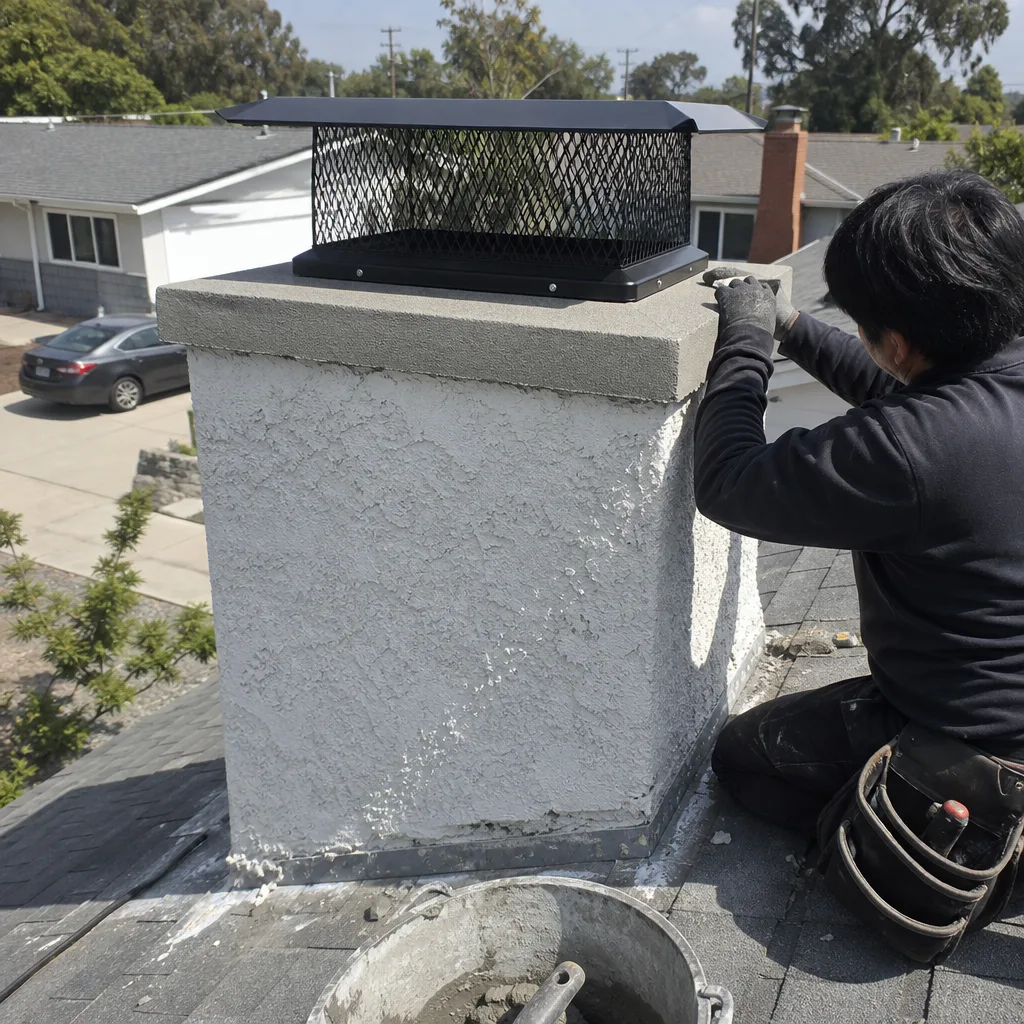
Chimney caps. A chimney cap is a mounted cover that prevents rain, animals, and debris from entering the flue. Installing or replacing a cap does not require a permit in most cases, because it’s considered an accessory rather than a structural modification. However, if the cap installation involves repairing the crown it sits on, or if the flue tiles need to be extended to accept the cap, that work may cross into permit territory depending on scope. The practical rule: if a contractor says they can install a cap in an hour without touching anything structural, no permit needed. If they’re cutting into or rebuilding masonry, ask about the permit.
Firebox repair. The firebox is the chamber where the fire actually burns. Cracks here allow heat to reach combustible material directly, making this one of the more urgent chimney repairs. Firebox rebuilds require permits. Parge coating with a refractory material such as Gelco may address minor surface cracking without a full rebuild, but if the damage extends into the structural masonry, the permit follows. In our experience with Westminster homes, firebox damage is almost always more extensive than it appears from the surface, because the moisture that causes firebox cracks also works its way into the mortar joints behind.
Materials matter to the permit conversation. A contractor who uses brands like Copperfield, DuraFlex, HeatShield, or Gelco is working with products that are specified and recognized by the chimney industry. When the Westminster Building Division reviews a permit application, seeing professional-grade materials in the submittal helps the application move through plan check because the reviewer knows the product has been tested and listed for the application. Generic big-box materials don’t carry the same confidence.
Chimney Repair Westminster home page details the full scope of repair and maintenance services we handle.
What Unpermitted Chimney Work Does to a Home Sale
The single most common place unpermitted chimney work surfaces is during a home sale, and it always costs the seller more than the permit would have. Here’s the sequence we’ve watched play out in Westminster, and it’s worth walking through carefully because every step is avoidable.
Seller has a chimney liner replaced five years ago by a contractor who offered a lower price by skipping the permit. The work was done competently. The liner functions. But the seller didn’t know or didn’t care about the permit, and the contractor didn’t insist. Fast forward to listing the home. The buyer’s home inspector notices the liner is not original to the house and asks for permit history. The city has no record of the work. At that point, one of three things happens:
- The buyer asks for a retrofit permit before closing. This involves bringing the work into compliance retroactively, which may require removing portions of the installation to verify condition. The cost exceeds what a permit would have cost originally.
- The buyer negotiates a price reduction. This is the more common outcome. The unpermitted work becomes a negotiating point because the buyer’s lender may flag it during appraisal, and the buyer assumes the risk of the unpermitted work. That assumption comes with a discount.
- The deal falls through. Buyers who are already anxious about an older Westminster home may walk away entirely when unpermitted work appears. In a market where inventory is tight, losing a buyer over a $200 permit five years earlier is a bitter outcome.
The same pattern applies to firebox repairs, crown rebuilding, and any structural masonry work. The permit isn’t bureaucratic overhead. It’s a record that protects the value of the home. Chimney Repair Westminster pulls permits on every job that requires one, because skipping that step shifts risk onto the homeowner we’re supposed to be serving. That’s not a service, it’s a transfer of liability.
Common Mistakes to Avoid
- Assuming a sweep includes a repair assessment. A sweep removes creosote and does a visual check. That’s not the same as a structural evaluation. In Westminster’s older chimneys, a camera inspection often reveals what a visual check can’t. Ask whether a camera is being used before booking a sweep.
- Trusting a low bid that skips the permit. A contractor who offers to “save you the permit hassle” for liner or firebox work is not doing you a favor. The permit protects you during a future sale. The savings are an illusion that gets paid later, with interest.
- Ignoring the dryer vent because it’s not a chimney. Lint-clogged dryer vents are among the leading causes of residential fires in Orange County. Dryer Vent Cleaning in Westminster addresses a fire risk that lives in the same house as your fireplace and deserves the same attention.
- Assuming No-Burn days reset your chimney’s maintenance clock. South Coast AQMD Rule 445 limits when you can burn, but it doesn’t change when your chimney needs inspection. The clock runs from last use, not from the last burn day.
- Replacing a clay liner with another clay liner. In older Westminster flues that have already cracked once, a second clay liner often cracks again for the same reasons. A stainless system like DuraFlex or a ceramic repair like HeatShield addresses the underlying thermal stress differently.
- Skipping the final inspection. Pulling the permit is only half the process. The final inspection closes the permit and creates the record. An open, unclosed permit is almost as problematic during a sale as no permit at all.
- Scheduling the annual sweep after the burn season starts. Westminster’s fall sweep-season rush means longer wait times and less flexibility for follow-up repairs. Book in August or early September to get a clean chimney before the first fire.
When to Call a Professional
Some chimney issues announce themselves with obvious symptoms: smoke backing into the room, a persistent odor even when the fireplace isn’t in use, visible cracks in the firebox, or pieces of flue tile collecting on the smoke shelf. Those cases are straightforward. Call a chimney specialist and describe what you’re seeing. Other problems are quieter. A liner can crack without any symptom you’d notice from the living room, and a deteriorating crown can let moisture in for years before the damage becomes visible. That’s the reason the fire code pushes annual inspection even when nothing seems wrong. It’s the problems you can’t see that cause chimney fires and carbon monoxide events.
If you’re in Westminster and haven’t had your chimney evaluated in the past year, or you’re reopening a fireplace that’s been dormant for a season or longer, the time to act is before the first fire of the year, not after. Chimney Sweep in Westminster combined with a camera inspection establishes the baseline you need for a safe burn season. Chimney Repair Westminster offers free estimates in Westminster, call (877) 358-3706.
Frequently Asked Questions
A standard chimney sweep and Level 1 inspection in Westminster typically costs between $180 and $300, depending on the chimney’s condition and whether a camera inspection is added. Chimneys that haven’t been cleaned in several years or that show heavy creosote buildup run higher. The price is small compared to the cost of ignoring the maintenance, which is exactly what the insurance company will point to if a chimney fire ever occurs. Call (877) 358-3706 for a specific quote, estimates are free.
No. Chimney cleaning is a maintenance activity and no California jurisdiction requires a permit for it. What requires a permit is the repair work that a cleaning sometimes uncovers: liner replacement, firebox rebuild, crown repair, and structural masonry work. The cleaning itself is not regulated, but the follow-up repair is, and skipping the permit there becomes a problem during a future home sale.
The California Fire Code and NFPA 211 both reference an annual inspection standard for used chimneys. How often a specific chimney needs sweeping depends on how often it’s used and what’s burned. A fireplace used twenty nights per season with seasoned hardwood may only need sweeping every other year. The same fireplace burning unseasoned wood can build a dangerous creosote layer in a single season. The annual inspection tells you which situation you’re in. In Westminster, most homeowners do best with an annual sweep-and-inspect combined visit.
A Level 2 inspection is a deeper evaluation, typically involving a camera scan of the flue interior. It’s required under California practice when a property is sold, after a chimney fire, after an earthquake or other significant event, or when the fireplace appliance is changed. In Westminster, where older homes and seismic activity intersect, a Level 2 inspection during escrow is standard practice.
Creosote builds up in layers. The first layer is flaky and brushes off easily. Subsequent fires bake that layer into a hardened, tar-like glaze that’s significantly harder to remove and that burns at a lower ignition temperature. That glaze is the material responsible for most chimney fires. Meanwhile, small moisture intrusion through a deteriorating crown or missing cap works on the masonry, and the liner’s thermal stress continues every time the fireplace heats and cools. The chimney can look fine from the outside while both problems develop inside. Call (877) 358-3706 if you’ve lost track of the last inspection; a sweep is cheaper than the alternatives.
Not directly. Rule 445 restricts when you can burn wood in Orange County, but it doesn’t change the fire code’s annual inspection expectation. What it does change is the practical pattern of use: fireplaces in Westminster see less use during No-Burn days, which may extend the time between cleanings. But the reduction in use doesn’t reduce the need for inspection. Schedule the annual sweep before the burn season, and the Rule 445 restrictions don’t become a maintenance problem.
The Bottom Line
Chimney cleaning in California needs no permit, but the repairs a cleaning reveals usually do. The distinction between maintenance and modification is the line that separates a routine sweep from a code-regulated repair. In Westminster, where aging chimneys and local amendments to the California Residential Code intersect, understanding that line protects you during a home sale, keeps your insurance claim viable if the worst happens, and ensures the fireplace you light in December is safe to light. Pull the permit when the work requires it, insist on camera inspection when liner condition is uncertain, and schedule the annual sweep before the burn season begins. The chimney is a system. Treat it like one.
Written by the team at Chimney Repair Westminster, serving Westminster since 2012.
See the difference
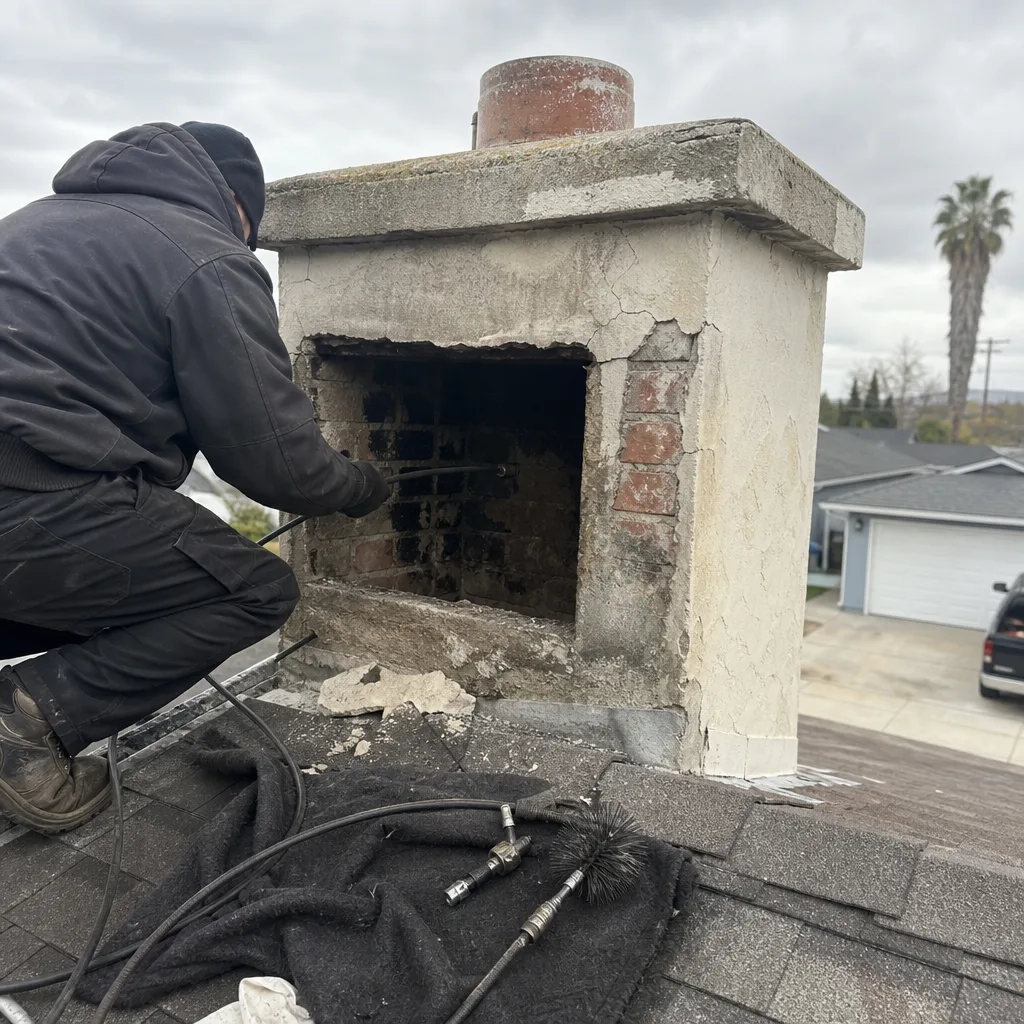 Before
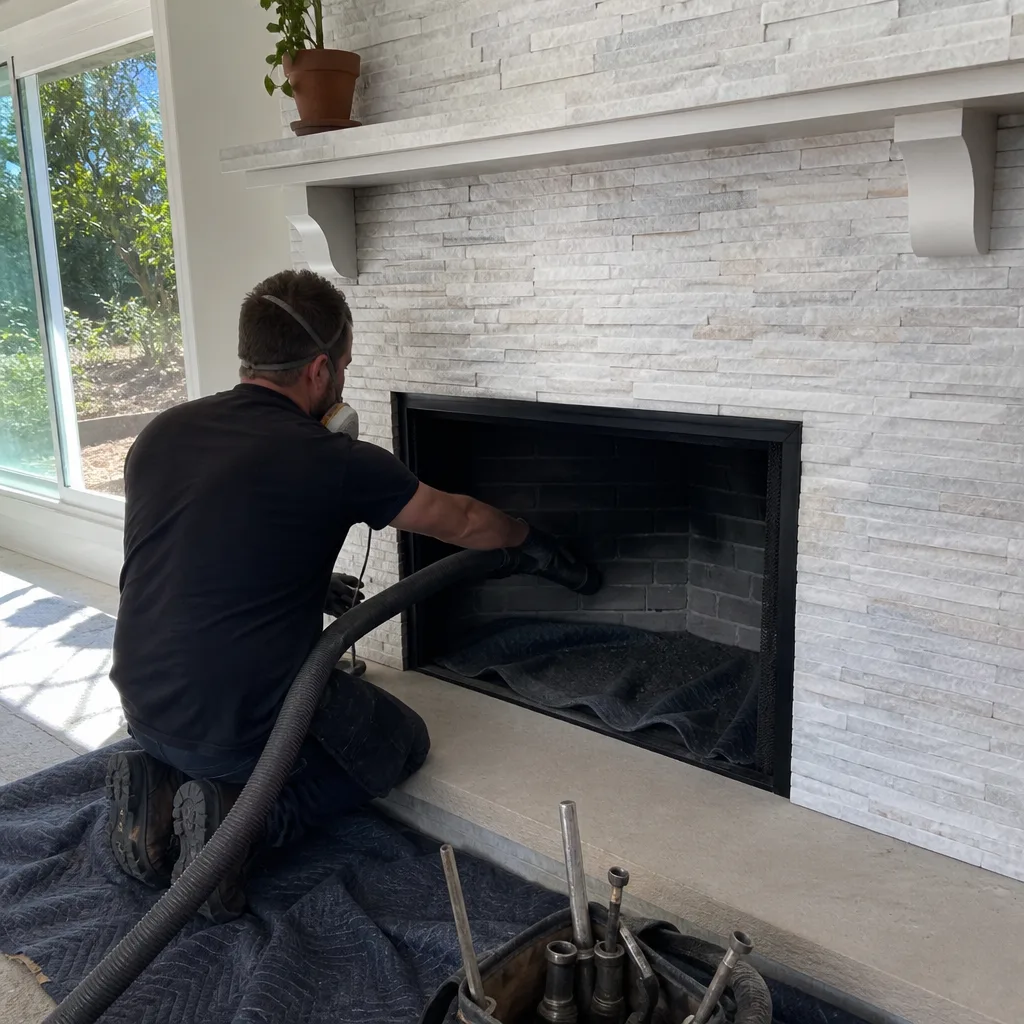 After
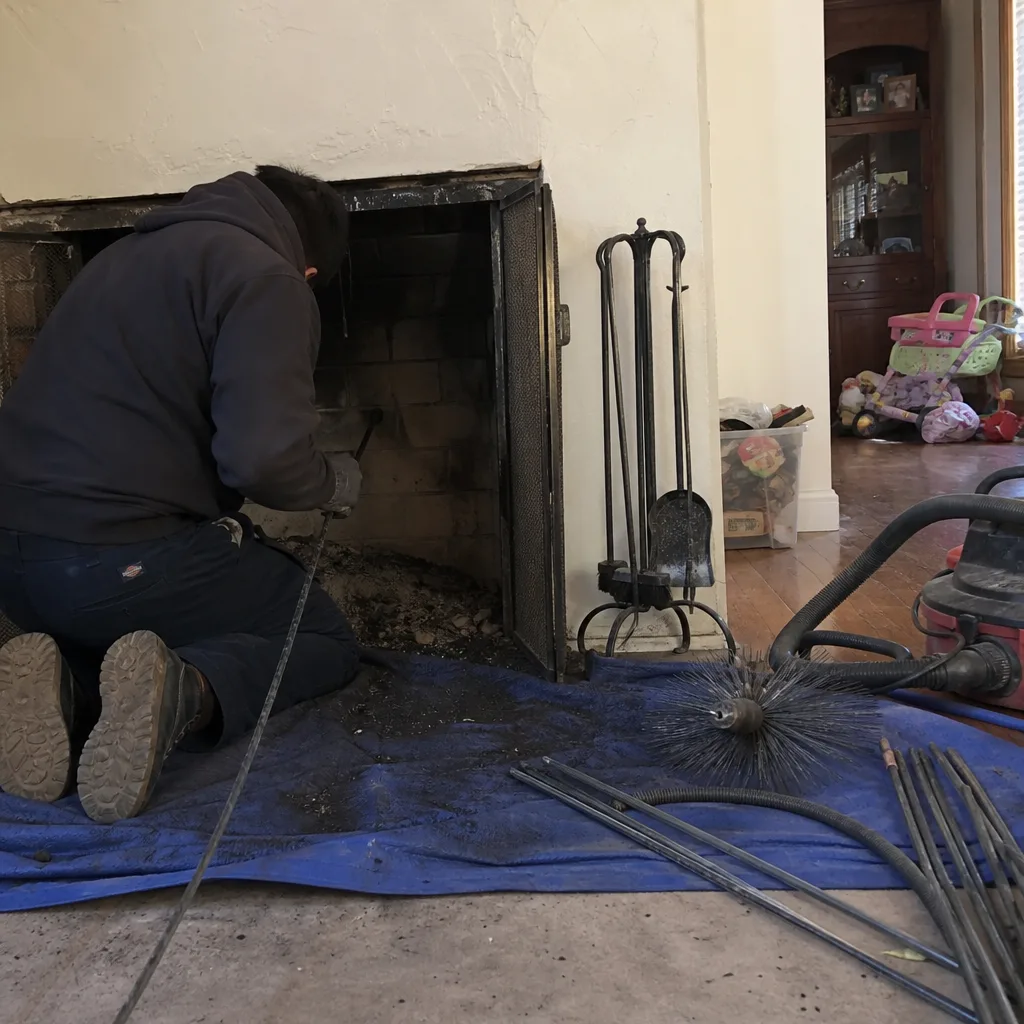 Before
 After
 Before
 After