
Last updated November 2, 2026
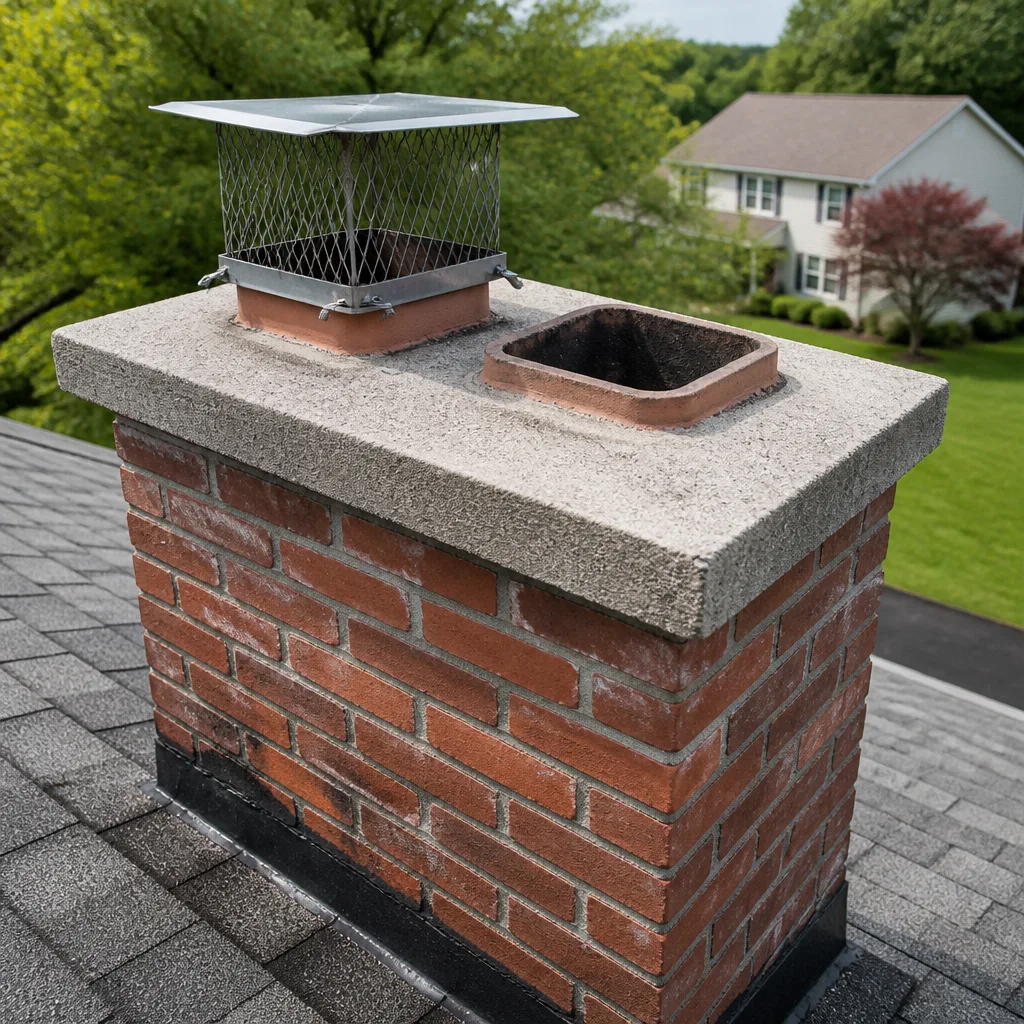 Sweep & inspection
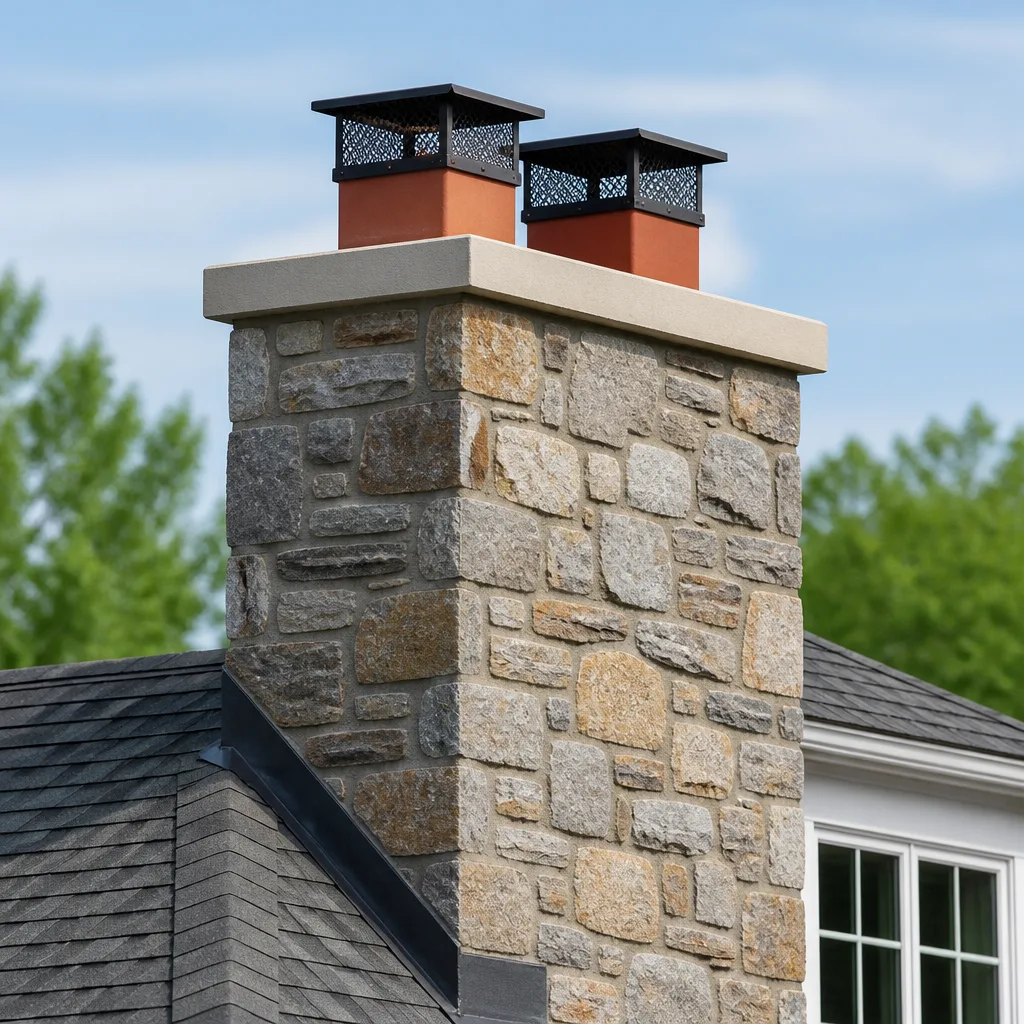 Caps & crowns
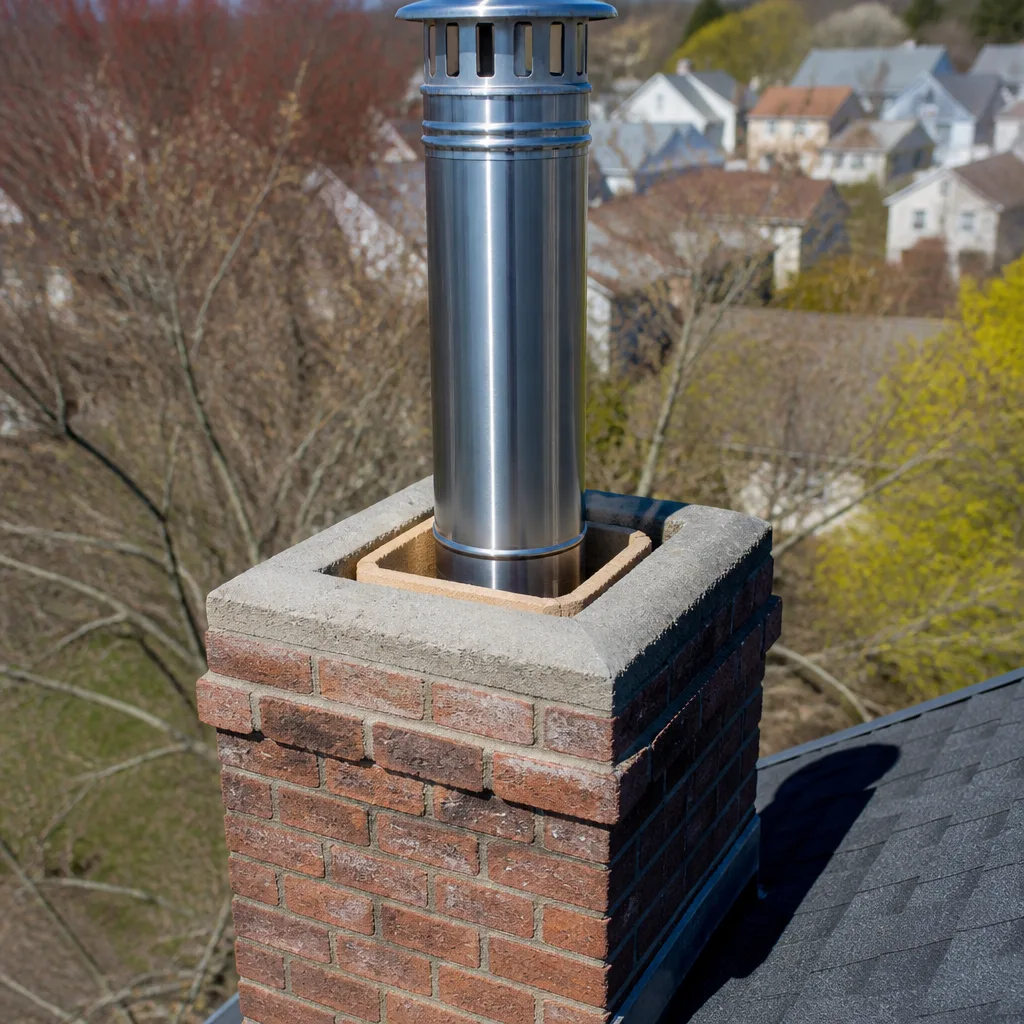 Flue relining
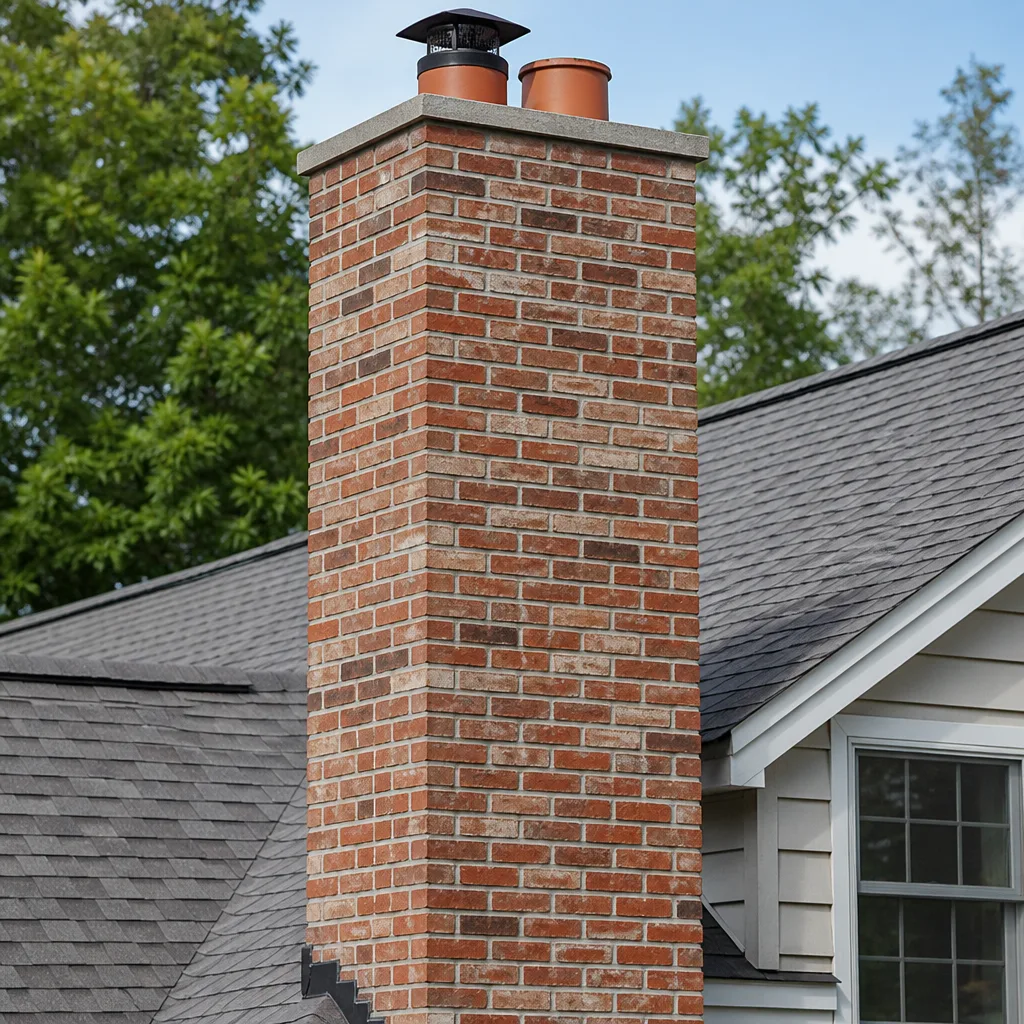 Masonry repair
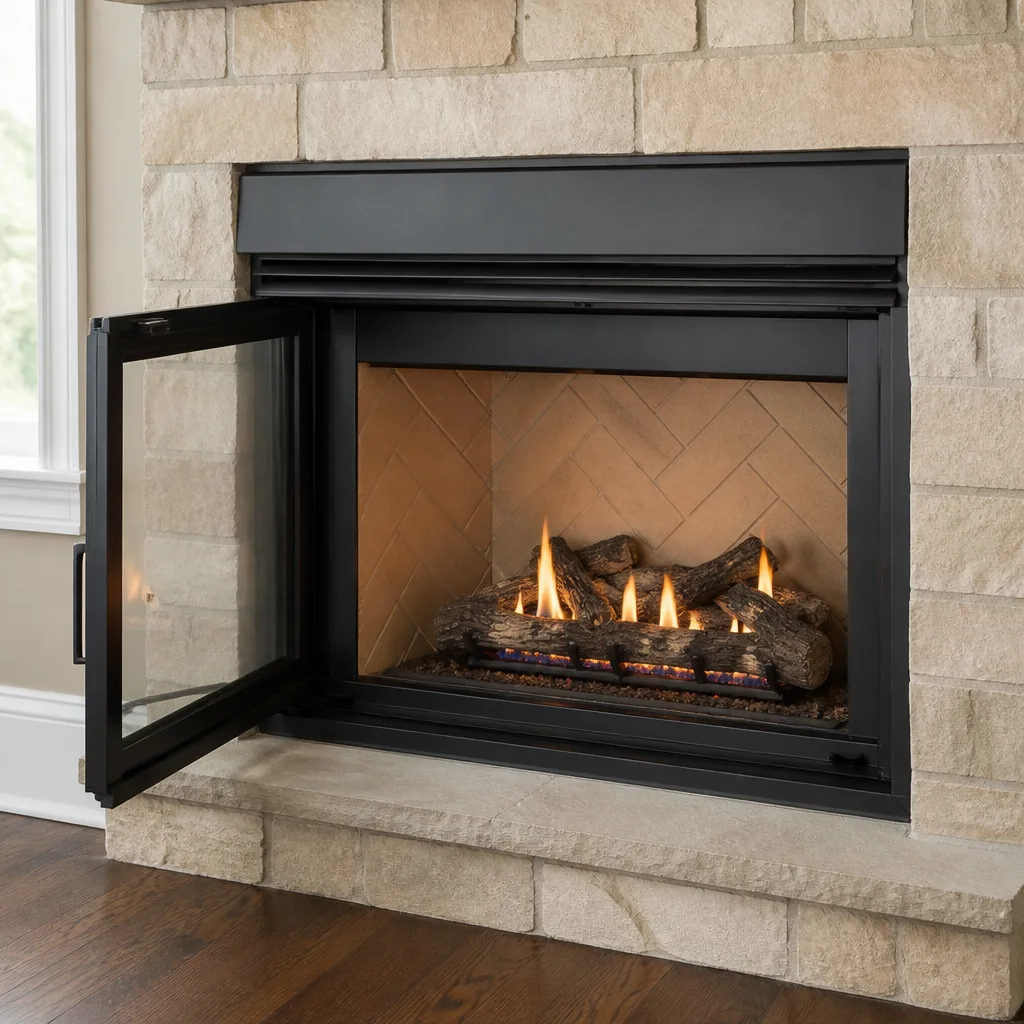 Gas fireplace service
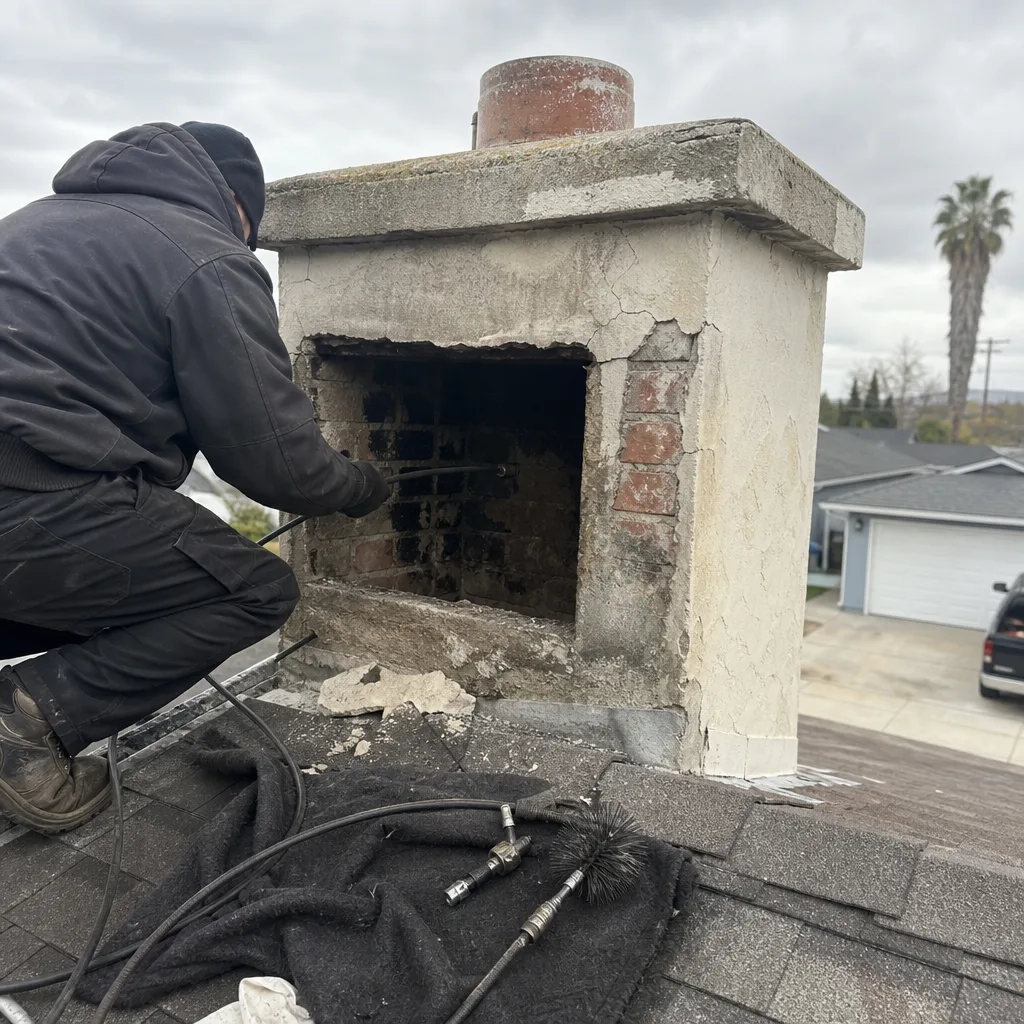
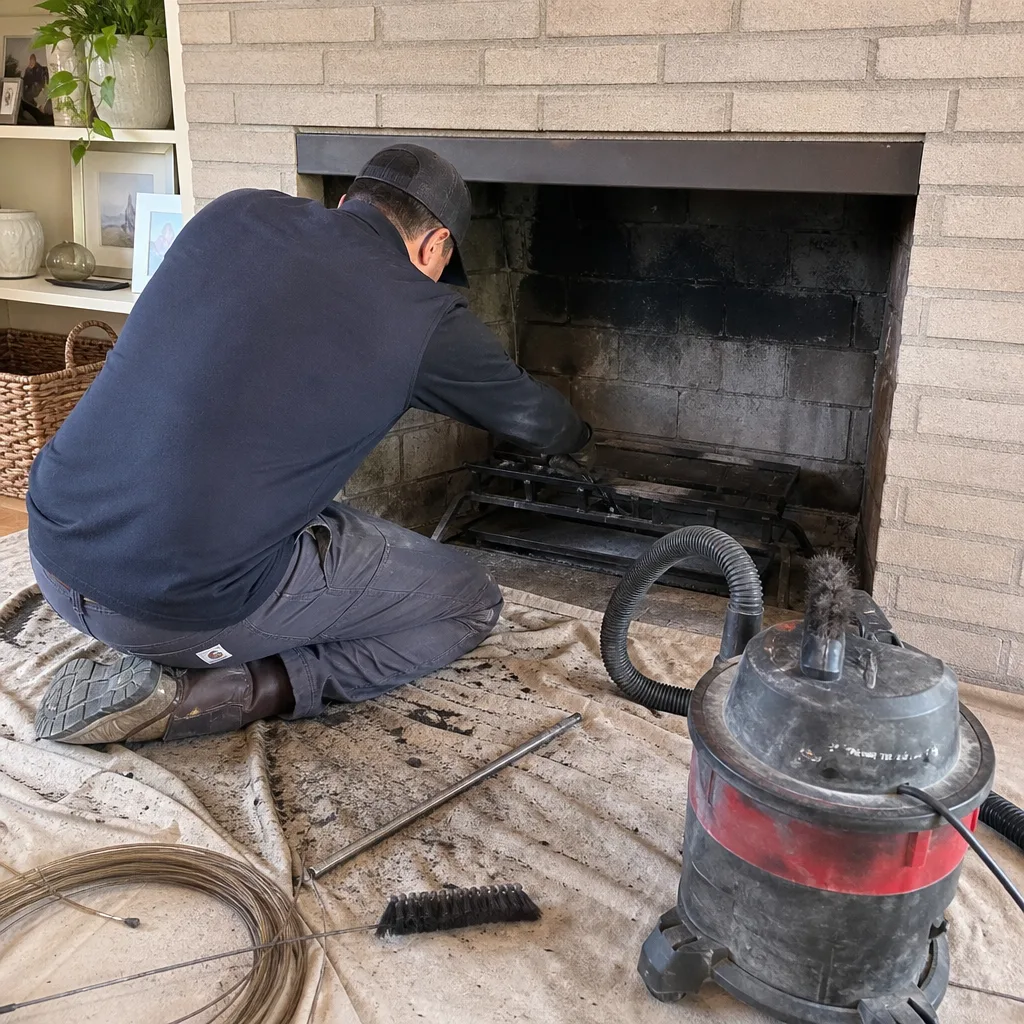
Level 1 sweep and inspection to the NFPA 211 annual standard - flue, crown, cap, and flashing checked and photographed
Chimney sweep logs do not sweep chimneys. They loosen some creosote - which then falls where a brush and vacuum still have to collect it.
Chimney Sweep Maintenance Checklist for Westminster Homeowners
The standard advice is “clean your chimney once a year.” It’s repeated everywhere, from fire-safety handouts to the side of the creosote remover bottle. But that schedule was written for homes burning wood six months straight in places like Minnesota or Maine, not a Westminster fireplace that gets lit on Thanksgiving and Christmas and spends the rest of the year holding a decorative candle arrangement. The truth Westminster homeowners need is more useful: maintenance should follow usage, not the calendar. This guide gives you a checklist tied to how often you actually burn, what kind of chimney you have, and what to look for from the ground before you ever pick up the phone. We’ll cover inspection points, smoke-draw testing, year-over-year documentation, and the line between what you can check yourself and what needs a trained eye.
Styles & brands we work with
- Sweep & inspection
- Caps & crowns
- Flue relining
- Masonry repair
- Gas fireplace service
Quick Answer
A meaningful chimney maintenance checklist for Westminster homeowners is based on three triggers: inspect the visible crown, cap, and flashing after every five wood fires; run a smoke-draw test at the start of each burning season; and have a professional sweep and inspection annually if you burn more than fifteen fires a year, or every two years for very light seasonal use. If you have a mid-century masonry chimney with an original clay tile liner, an annual visual inspection matters regardless of how little you burn, because those liners deteriorate with age and Westminster’s coastal air, not just with use.
Table of Contents
- Why “Once a Year” Is the Wrong Starting Point for Westminster
- The Usage-Triggered Checklist: 5 Fires, 15 Fires, and Always
- Know Your Chimney Type: Mid-Century Masonry vs. Metal Prefab
- How to Do a Basic Smoke-Draw Test Before Calling a Sweep
- Ground-Level Checks: Crown, Cap, and Flashing With Binoculars
- Documenting Findings Year Over Year to Catch Progressive Deterioration
- Common Mistakes to Avoid
- When to Call a Professional
- Frequently Asked Questions
- The Bottom Line
Why “Once a Year” Is the Wrong Starting Point for Westminster
Westminster sits in a climate zone where fireplaces are decorative features more than heating appliances. Our winters are mild. Our fire season runs roughly from late November through early February, and many households light fewer than a dozen fires in that entire window. The National Fire Protection Association’s annual-sweep recommendation is based on residential wood-burning patterns in cold-weather states, where a single household might burn several cords of wood from October through April. That level of use produces creosote accumulation at a rate Westminster homeowners simply don’t match.
But here’s what the annual-only advice misses: chimneys in Westminster deteriorate through exposure, not just through use. The marine layer, occasional heavy rains, and seasonal temperature swings work on exterior masonry year-round. A chimney that sits unused for months is still absorbing moisture, expanding and contracting, and slowly stressing the crown, cap, and flashing joints. We’ve seen Westminster chimneys that haven’t been lit in two years with more structural issues than chimneys in colder states that burn weekly. The sweep schedule should follow burn count. The inspection schedule should follow the building’s age and construction type. Those are two different things, and this guide treats them separately.
That’s the core distinction between a chimney sweep in Westminster and a structural inspection. Sweeping removes what burning leaves behind. Inspection catches what time and weather are doing to the chimney itself. Both matter, but they run on different clocks.
The Usage-Triggered Checklist: 5 Fires, 15 Fires, and Always
Most checklists you’ll find online are organized by season: do this in fall, do that in spring. That’s useful for gutter cleaning. It’s less useful for chimneys, because two Westminster households on the same block can have completely different maintenance needs. One family burns three fires a year. The neighbor burns every weekend from Thanksgiving to Valentine’s Day. The same calendar-driven checklist serves neither of them well. Here’s a checklist organized by what actually drives chimney maintenance: how much you burn.
After 5 Wood Fires
- Check for creosote buildup visually. Open the damper and look up with a flashlight. After five fires, you should see a light gray or brown powder coating. If you see shiny, tar-like deposits or any buildup thicker than a nickel, stop burning and call for an inspection. That’s stage-two creosote, and it’s a fire hazard regardless of how few fires produced it.
- Check for smoke exiting the firebox correctly. During your last fire, watch the first ten minutes. Smoke should rise cleanly up the flue. If wisps curl into the room, note the conditions: was it windy? Was the damper fully open? Was the wood dry? Persistent backdraft is a ventilation or cap problem, not something to ignore.
- Remove ash only when cold. Ash accumulation beyond two inches reduces airflow and makes your next fire burn dirtier. But never remove warm ash, even if it’s been hours. Westminster’s fire departments respond to chimney and fireplace incidents every year caused by ashes dumped into plastic bins or paper bags the same day. Use a metal container, take it outside, and leave it on concrete or bare ground for a week.
- Check the damper operation. Open and close it fully several times. Stiffness, grinding, or a damper that won’t stay open signals either rust in the linkage or debris in the throat. A damper that drifts closed mid-burn is a carbon monoxide concern that needs correction before the next fire.
After 15 Wood Fires
Fifteen fires is roughly the threshold where even a clean-burning fireplace produces enough creosote to warrant professional evaluation. At this point, the checklist shifts from what you can see to what a Chimney Sweep should verify.
- Schedule a professional sweep and visual inspection. The sweep removes creosote from the flue walls and smoke shelf, areas you cannot reach from the firebox. The inspection checks the flue liner, damper, cap, crown, and flashing for damage that burning has accelerated.
- Have the flue liner checked specifically. Westminster’s housing stock skews heavily toward homes built between 1950 and 1980, and most of those chimneys have original clay tile liners. Those tiles crack over time, and burning accelerates the process through repeated heating and cooling cycles. A cracked liner is not visible from the ground and often not visible from the roof without a camera.
- Verify the cap and spark arrestor are clear. After fifteen fires, caps can accumulate soot and debris that restricts draft. If your cap has a mesh spark arrestor, ask the technician to verify the mesh is intact. Gaps in the mesh are how birds and rodents enter the flue.
- Check the chimney’s exterior joints. Expansion and contraction from those fifteen burn cycles can open small gaps in the mortar joints near the top of the chimney, where temperature swings are most extreme. This is a progressive issue that starts as hairline cracks and becomes water intrusion.
Annually, Regardless of Use
Even if you never light a fire, certain checks should happen on an annual rhythm in Westminster because our climate works on chimneys year-round.
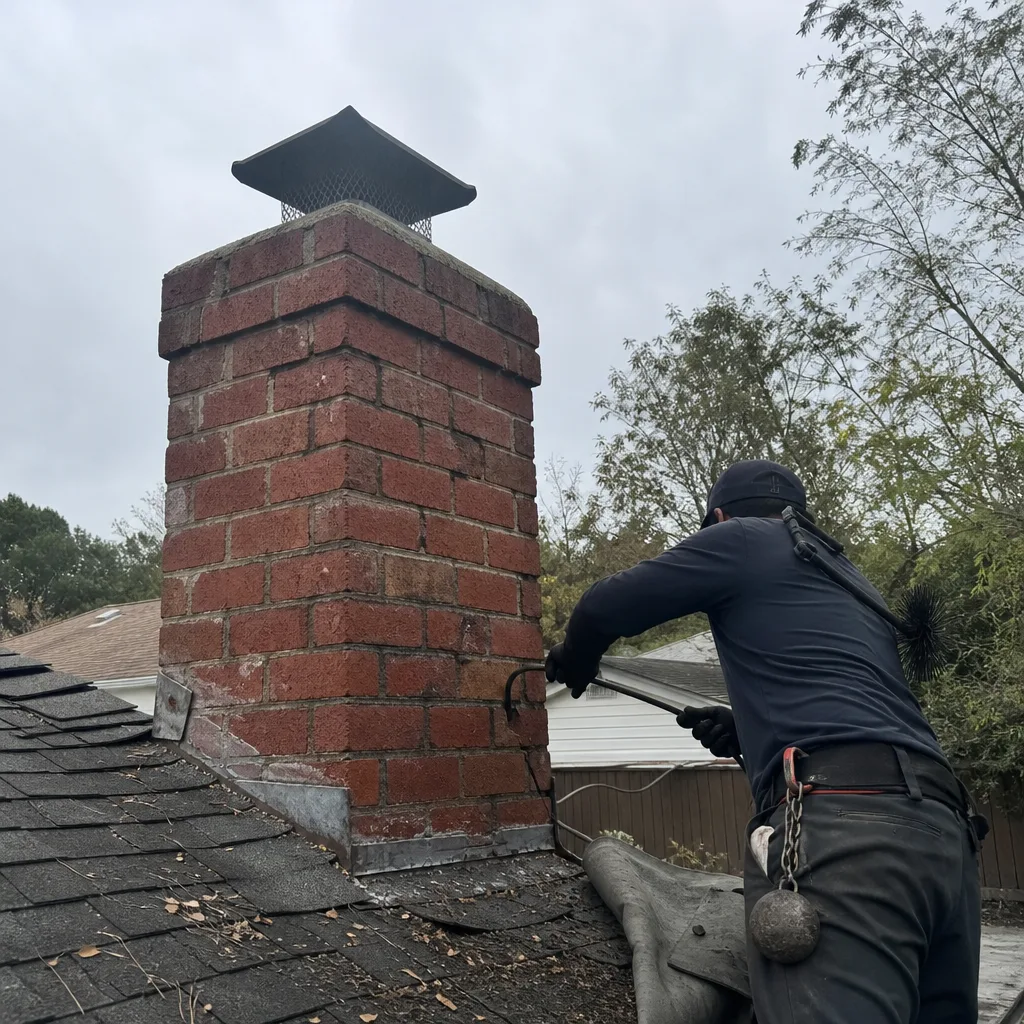
- Visual inspection of the crown. The crown is the concrete slab at the top of the chimney. Hairline cracks let water in, and water is the number one enemy of masonry. This check can be done from the ground with binoculars in most Westminster neighborhoods, where homes are close enough to the property line to get a clear angle.
- Cap presence and condition. A missing or damaged cap means rain enters the flue directly. Rain mixed with creosote creates an acidic slurry that eats mortar joints from the inside. This is a quiet, slow process that homeowners don’t notice until the chimney needs structural work.
- Animal-check the flue. Westminster has a healthy population of squirrels, raccoons, and nesting birds. Spring is the season for it. If you hear scratching, chirping, or rustling from the chimney, do not light a fire. The flue needs an animal removal service and then a cap repair before the next use.
- Test the smoke and carbon monoxide detectors near the fireplace. This isn’t chimney maintenance, strictly speaking, but it belongs on every chimney checklist. Smoke detectors alert you to creosote fire. CO detectors alert you to backdraft and ventilation problems. A chimney can be compromised in ways no visual check will catch, and detectors are the safety net.
This usage-based schedule is what we apply when homeowners in Westminster ask how often they should have service. Light users get a lighter sweep schedule but the same attention to structural checks, because in a mid-century masonry chimney, time is as much of an enemy as fire.
Know Your Chimney Type: Mid-Century Masonry vs. Metal Prefab
Westminster’s housing stock is dominated by two chimney types, and the maintenance checklist for each is different. Knowing which one you have changes what you look for, what you can ignore, and what you should worry about.
Mid-Century Masonry Chimneys with Clay Tile Liners
If your home was built between roughly 1945 and 1985 in Westminster neighborhoods like the tracts around Bolsa Avenue and Goldenwest Street, you likely have a full masonry chimney: concrete block or brick exterior, mortar joints, a poured concrete crown, and a flue lined with sections of clay tile. These are durable systems, but they have specific failure patterns.
Clay tile liners crack. It is the single most common significant issue we find in Westminster masonry chimneys, and it happens for three reasons. First, repeated heating and cooling stresses the tiles unevenly, and clay is rigid, not flexible. Second, the mortar joints between tile sections erode over decades, creating gaps. Third, in Westminster specifically, the seasonal moisture cycle from marine air and rain works into the masonry and freezes rarely but wets consistently, which degrades mortar and creates the cracks that later worsen with heat.
When a clay liner cracks, the flue is no longer containing heat and combustion gases within its walls. The gap exposes the surrounding masonry to temperatures it wasn’t designed to absorb. In a chimney fire, a cracked liner is the difference between a contained event and a structural fire that spreads to the house framing.
The maintenance checklist for this chimney type includes:
- Annual ground-level inspection of the crown for cracks, chips, or areas where the concrete is spalling.
- Annual check of the mortar joints near the top of the chimney for erosion or hairline gaps.
- Professional camera inspection of the flue liner if the home hasn’t had one, or if there is any history of chimney fire, water intrusion, or visible spalling on the exterior.
- Prompt repair of any cap damage, because cap failure accelerates liner and mortar deterioration.
When a mid-century clay liner is cracked or deteriorated, the restoration path in many Westminster homes is a chimney repair in Westminster using a flexible stainless steel liner system like DuraFlex, which is pulled through the existing flue and creates a continuous, insulated passage. This is a structural fix, not a cosmetic one, and it changes the maintenance picture going forward: the new liner should be swept on a normal schedule, but the liner itself doesn’t crack the way clay does.
Metal Prefab Chimney Systems
Newer homes and many Westminster townhome and condo developments built in the last 25 years use factory-built metal chimney systems. These are the round metal pipes you see above rooflines, sometimes capped with a cylindrical metal chase cover. These systems are engineered differently, and the maintenance checklist is different.
Metal prefab chimneys don’t use clay tiles. The flue is a double or triple-walled metal pipe with insulation between layers. They don’t crack in the same way, but they corrode. The biggest concerns are:
- Rust on the chase cover or pipe exterior. Metal chimney components in Westminster are exposed to salt-adjacent marine air, and while the city is inland enough to avoid heavy salt exposure, the moisture alone is enough to start rust on galvanized steel that would look fine for decades in a drier climate.
- Water intrusion at joints. Factory chimneys rely on interlocking joints and seals that degrade with UV exposure and weather. Once a seal fails, water finds its way between the inner and outer walls and causes hidden corrosion.
- Improper fuel compatibility. Some prefab chimneys are rated for wood, some for gas, and some for specific appliance models. If the fireplace or insert has been changed since the home was built, the chimney may not match the current appliance. A quick model-plate check during an annual inspection catches this.
- Cap and spark arrestor condition. The cap on a prefab system is part of the overall chimney’s weather protection, and a dented, rusted, or dislodged cap shortens the life of the whole system.
Maintenance for metal prefab chimneys is straightforward: annual visual check of the exposed pipe on the roof, a check of the cap from the ground, and a professional sweep at intervals based on burn count. When components are replaced, using industry-standard materials matters. Chimney Repair Westminster installs components from Famco and Copperfield, which are names the chimney industry specs when it needs parts that match factory-built systems accurately. Big-box substitutes often have slightly different dimensions or metallurgy that cause alignment and corrosion issues later.
How to Do a Basic Smoke-Draw Test Before Calling a Sweep
Before spending money on a service call, there’s a simple 10-minute test any Westminster homeowner can run that provides real diagnostic information about how the chimney is drawing. It doesn’t replace a professional inspection, but it tells you whether airflow is roughly working or clearly broken, and the answer changes what kind of service you need.
The principle behind a smoke-draw test is straightforward: a properly functioning chimney creates negative pressure that pulls smoke up and out. If smoke lingers, rolls into the room, or fails to rise, that tells you something about the flue, the cap, the damper, or the house’s air pressure dynamics. Here’s the step-by-step process.
- Pick the right day. Do this on a cool day if possible. Warm outdoor air close to indoor temperature reduces the natural draft, and you’ll get a false negative. Early morning or evening in Westminster is typically fine. Avoid hot, sunny afternoons when the chimney has been baking in the sun.
- Close all exterior doors and windows. You’re testing the chimney as it would perform in normal winter conditions. But note: if your home is tightly sealed and has kitchen or bath exhaust fans, turn those off for the test. Running exhaust fans depressurize the house and can mask chimney function.
- Open the damper fully. This sounds obvious, but a surprising number of chimney problems begin with a damper that wasn’t fully opened. Confirm it by reaching up and feeling the throat or using a flashlight.
- Light a rolled piece of newspaper. Hold it near the throat of the fireplace, just below the damper opening, for about 60 seconds. This pre-warms the flue and establishes a draft, especially important on cold winter days when a cold column of air sits in the chimney and resists upward movement.
- Blow out a lit match or incense stick. Hold it near the fireplace opening and watch where the smoke goes. Healthy draw pulls the smoke toward and up into the chimney quickly. Weak draw makes the smoke linger and swirl. A backdraft pushes the smoke into the room. All three outcomes tell you something different.
- Repeat with the firebox door or screen closed. If your fireplace has glass doors, close them and run the test again. A significant change between open and closed helps identify whether the air supply to the firebox is restricted by the home itself rather than by the chimney.
Interpreting the results:
- Strong, consistent draw upward: air is moving through the flue. The cap isn’t completely blocked, the damper works, and the flue has a viable path. It doesn’t rule out creosote buildup or cracked liners, but it means you have a functioning draft to start from.
- Weak draw that improves after pre-warming: this is often normal on cold starts, especially for masonry chimneys that take a while to warm. If the weak draft persists after 60 seconds of warming, suspect a partially blocked cap, significant creosote buildup, or an undersized flue for the fireplace opening.
- Smoke enters the room or refuses to rise at all: do not burn. This points to a serious obstruction, a closed or broken damper, a severely restricted cap, or a house depressurization issue. It’s a strong signal to call for a professional inspection before attempting another fire.
If the test is inconclusive or you’re getting backdraft only on windy days, note the wind direction and speed when it happens. Chimneys in Westminster neighborhoods with certain roof geometries are prone to wind-induced downdraft, and the fix is often a different cap design, not a chimney rebuild. A Chimney Sweep Troubleshooting: Common Problems and How to Fix Them resource can help you identify this pattern from your symptoms alone, and it’s one of the cheapest chimney problems to correct.
Ground-Level Checks: Crown, Cap, and Flashing With Binoculars
Roof access is where most chimney maintenance checklists go wrong for the average homeowner. They say “inspect the crown” and “check the flashing,” and the homeowner either climbs a ladder against all better judgment or skips those items entirely. Here’s what we tell Westminster homeowners instead: you can inspect the three most failure-prone components of a chimney from the ground with a decent pair of binoculars, and you can do it safely in about fifteen minutes.
Start in the front yard or sidewalk, positioned so the chimney is backlit by the sky rather than the sun behind it. A cloudy day provides the best light for seeing cracks and texture. Move to different angles: straight on, then from either side, then from the back if your lot permits. Each angle reveals a different surface and a different failure pattern.
Crown
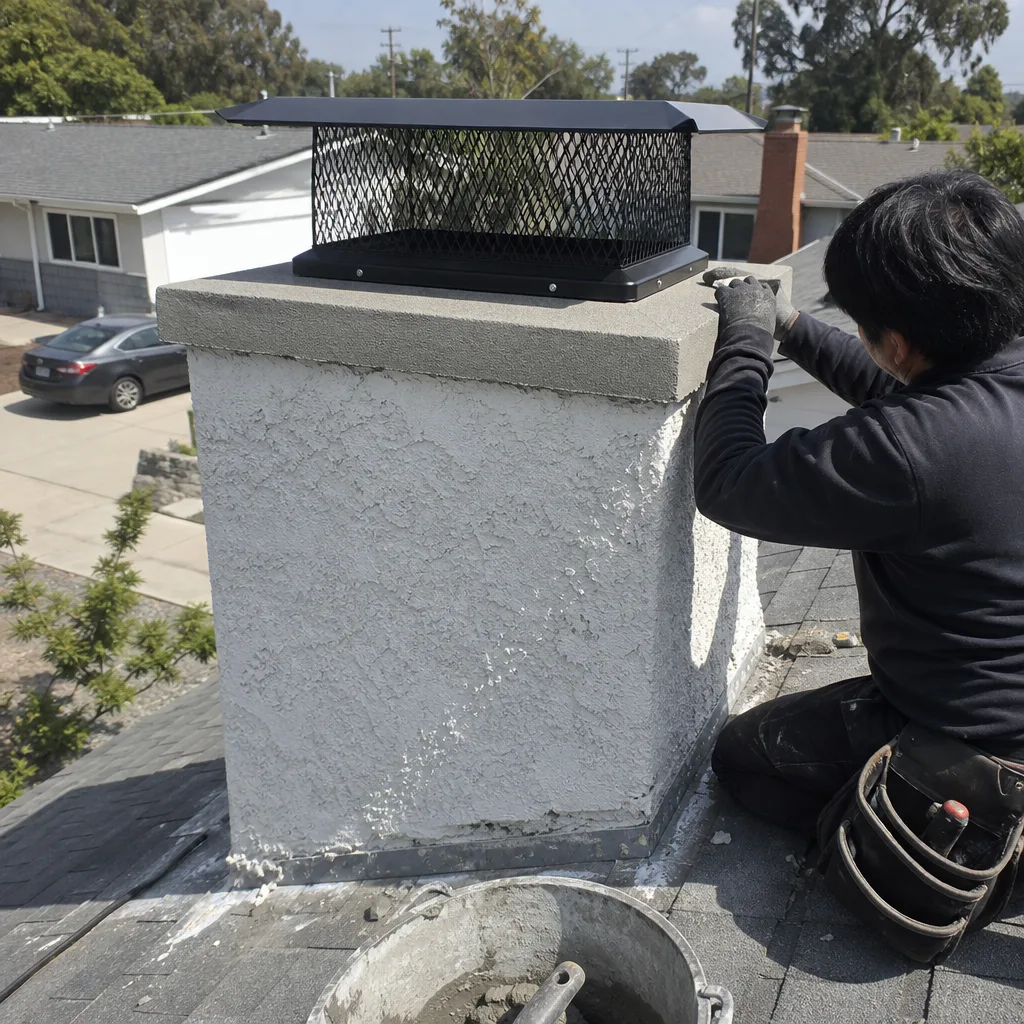
Look at the concrete or stone slab that caps the top of the chimney. You’re looking for hairline cracks that form a map pattern across the surface, chips along the edges, or areas where the surface looks like it’s peeling or flaking. Any of these means water is getting past the crown and into the masonry below. On a Westminster mid-century chimney, the crown is often the first component to fail because it’s fully exposed to sun and rain. Crown cracks are frequently repairable without a full rebuild if they’re caught early, but ignored cracks become spalling brick and mortar deterioration that requires progressively more invasive work.
Cap
The cap sits above the flue opening and has two jobs: keeping rain out and keeping animals out. From the ground, you’re checking three things. First, is the cap present at all? A missing cap is an immediate repair item. Second, is it sitting level and centered over the flue? A tilted cap often means the bolts have corroded, which lets water run down the side of the flue instead of shedding off the cap. Third, can you see the mesh spark arrestor and is it intact? Shredded or missing mesh is an open invitation to birds, squirrels, and raccoons, all of which are common in Westminster’s older tree-lined neighborhoods.
Flashing
Flashing is the metal material where the chimney meets the roof. From the ground, you can check for the obvious problems: missing sections, gaps where flashing should be tight against the masonry, rust stains running down the brick or stucco, or roofing cement that’s cracking and pulling away from the chimney. Westminster’s older homes often have original galvanized flashing that’s been in place for 50 years, and galvanized steel has a finite life in our moisture cycle. If you see rust streaks on the chimney exterior, the flashing is likely involved.
Document what you see with photos from your phone, even if everything looks fine. The next section explains why that documentation is the most valuable habit you can build as a Westminster homeowner.
Documenting Findings Year Over Year to Catch Progressive Deterioration
Most chimney damage is progressive, not sudden. A hairline crown crack doesn’t become structural failure in one season. It widens over five seasons, letting in slightly more water each year, until the top few courses of brick are saturated and freeze-thaw cycles or simple expansion have broken the mortar joints open. The problem isn’t that these things can’t be fixed. It’s that homeowners don’t notice them until they’re expensive, because from year to year, each individual change is too small to see without a reference point.
The solution is documentation. We tell every Westminster homeowner we work with to keep a simple chimney file: a note on their phone, a folder of photos, or a note card in the fireplace tools drawer. Whatever they’ll actually use. The file doesn’t need to be technical. It needs to be consistent.
Here’s the system that works:
- Take four photos of the chimney once a year, from the same four positions. Same spots in the yard, same time of year, same time of day. The goal is a repeatable baseline. Tiny differences become visible when you can flick between this year’s photo and last year’s.
- Note the chimney’s essential data. Construction type (masonry or prefab), liner material if known (clay, metal, or unknown), last sweep date, last inspection date, and any repairs with the date they were done. This is the single most useful piece of information to hand a chimney technician on a first visit.
- Record each fire you burn. A simple tally mark in a notes app. The date matters less than the count. This directly feeds the usage-triggered checklist from earlier: five fires triggers visual checks, fifteen fires triggers a professional sweep, and your annual inspection date stays fixed regardless.
- Write down anything you notice during the year, however minor. A few drops of water that appeared on the hearth during a hard rain. A rust stain that wasn’t there before. A smell from the fireplace on humid days. Birds on the chimney in spring. None of these mean anything in isolation, but the pattern they form over time often reveals the problem before it becomes visible.
- Keep service records from any sweep or inspection. If you have a camera inspection done, keep the report. The video or photos become the new baseline for future comparison, and they document the condition of the liner at a specific point in time, which matters if you ever sell the home or file an insurance claim.
This documentation habit catches progressive deterioration because it gives you the one thing human memory is bad at: accurate comparison across long time gaps. A homeowner who looks at their chimney every year and takes the same photo can spot a spreading crack in ten seconds. A homeowner who glances at the chimney while mowing the lawn can’t. The chimney is the same. The evidence is different.
And when you do call a professional, this file changes the conversation. Instead of “how’s your chimney?” and a shrug, the technician gets a specific history: 23 fires since the last sweep, a photo showing cap tilt that started two years ago, and a note about water in the hearth during last January’s storms. That’s the difference between a generic recommendation and a targeted diagnosis. As a Chimney Repair Westminster home service, that’s the kind of informed homeowner we can help most effectively.
Common Mistakes to Avoid
- Assuming light use means no maintenance needed. Westminster fireplaces often burn fewer than ten fires a year, but the chimney still ages with exposure to weather and time. A chimney that hasn’t been lit in two years can still have a cracked crown, a rusted cap, or an animal nest in the flue. Use it or not, the annual ground-level check still applies.
- Cleaning creosote with the wrong products. Creosote removal logs and powders sold at hardware stores don’t remove stage-two or stage-three creosote. They can convert some forms into a flakier consistency, but they give homeowners a false sense of completion. If you burn enough to produce significant creosote, have it swept properly.
- Ignoring the damper position between fires. A closed damper is the correct position when the fireplace is not in use, but a damper that’s left closed for years can rust in place. Open and close the damper seasonally, even in summer, to keep the linkage moving and to check for stiffness.
- Burning the wrong wood. Westminster homeowners burning wet or unseasoned wood produce dramatically more creosote per fire than those burning properly seasoned hardwood. The moisture in green wood cools the flue gases, causing creosote to condense on the liner walls. Wood should be split and stacked for at least six months before burning.
- Dumping ashes too soon. Ashes can hold live embers for days, especially when packed together and insulated by the ash bed. The fire department in Westminster has responded to more than one garage fire started by a homeowner who thought the ashes from last weekend’s fire were cold. Metal container, outside, away from the house, for a week.
- Calling a handyman for structural chimney work. Chimneys involve fire containment, structural load, and building code requirements that general handymen rarely have the training to evaluate. A cracked liner or deteriorated crown is not a handyman job. The same reasoning applies to roofers who offer to repair flashing but don’t understand how the flashing integrates with the chimney’s other waterproofing layers.
- Painting or sealing a masonry chimney without diagnosing moisture problems first. Sealants trap moisture inside the masonry if the moisture source hasn’t been addressed. A painted chimney that’s still absorbing water from a cracked crown is just hiding the problem while it gets worse inside the brick.
When to Call a Professional
Some chimney conditions are safe to monitor. Others mean stop using the fireplace and make the call. The line between them is specific: call a professional if you see shiny or tar-like creosote buildup inside the firebox or flue, if your smoke-draw test produces backdraft or no draw, if you find water in the fireplace or on the hearth after rain, if you hear or see evidence of animals in the chimney, or if a ground-level check reveals a cracked crown, missing cap, or deteriorated flashing. These are not monitoring situations. They’re either fire hazards, carbon monoxide risks, or water-intrusion events that get more expensive each season they’re left unaddressed. Chimney Repair Westminster offers free estimates in Westminster. Call (877) 358-3706 to schedule a sweep, inspection, or structural assessment, and we’ll tell you what needs attention now, what can wait, and what you can handle yourself with our more guides & resources.t the evidence actually shows.
Frequently Asked Questions
For most Westminster homeowners, a professional chimney sweep every two years is adequate if you burn fewer than 15 fires per year. If you burn more than that, or if you burn wet or unseasoned wood, sweep annually. The sweep schedule follows burn count, not calendar months, because Westminster fireplaces are used seasonally and lightly compared to national averages.
A basic chimney sweep and visual inspection in Westminster typically runs between $180 and $350 for a standard masonry fireplace, depending on the chimney’s height, accessibility, and the amount of creosote present. If the sweep reveals damage requiring repair, that’s quoted separately and only after you’ve seen the evidence from the inspection. Call (877) 358-3706 for a specific quote on your chimney.
Yes, especially in Westminster where mid-century masonry chimneys with original clay liners deteriorate from weather exposure even when they’re never used. A chimney that sits unused still absorbs rain, still cycles through temperature changes, and still provides a nesting site for animals. An annual ground-level check with binoculars takes fifteen minutes, and a professional inspection every two to three years catches structural issues before they become expensive.
A cracked clay flue liner means the flue no longer contains heat and combustion gases within its walls, and the chimney should not be used until it’s repaired. The standard repair in mid-century Westminster homes is a flexible stainless steel liner like DuraFlex, which is installed inside the existing flue and creates a continuous, insulated passage. In some cases where the clay liner is deteriorated but the structure is sound, a ceramic resurfacing method like HeatShield can restore the flue surface without a full reline.
No, and this is one area where we’re direct with Westminster homeowners: chimney sweeping involves working from the roof or with specialized equipment inside the flue, and it’s not a DIY task. Beyond the safety issue, a professional sweep includes access to the smoke shelf and damper area that homeowners can’t reach from the firebox, and the inspection portion requires training in what to look for across masonry, liner, crown, cap, and flashing systems.
It’s not part of the chimney itself, but it belongs in the same home fire-safety conversation. The NFPA identifies dryer vent fires as one of the leading causes of residential fires, driven by lint accumulation in the vent run. A dryer vent cleaning in Westminster addresses the second major fire hazard in most homes alongside the chimney, and having both services handled by one specialist team means both hazards get evaluated with the same standard of evidence and documentation. It’s a natural pairing for homeowners who are serious about fire safety rather than checking a box.
The Bottom Line
A Westminster homeowner’s chimney maintenance checklist isn’t a one-page document you pull out every October. It’s a set of habits: tally your fires so you know when the usage thresholds have been met, run a smoke-draw test before your first fire of the season, check the crown and cap from the ground with binoculars once a year, and photograph everything so next year’s observations have a baseline to compare against. If your home has a mid-century masonry chimney, treat the liner as a structural component with a finite service life, not a permanent fixture. If you have a metal prefab system, watch for rust and cap damage the way you’d watch for corrosion on any outdoor metal component. And when something doesn’t look right, call a professional who can show you the evidence, not just tell you what they think. Chimney Repair Westminster handles sweeps, structural repair, liner restoration, and dryer vent cleaning as one continuous system of home fire safety, and we’re happy to look at your chimney on its own terms. Call (877) 358-3706 for a free estimate in Westminster.
Written by the team at Chimney Repair Westminster, serving Westminster since 2012.
See the difference
 Before
 After
 Before
 After
 Before
 After