
Last updated November 3, 2026
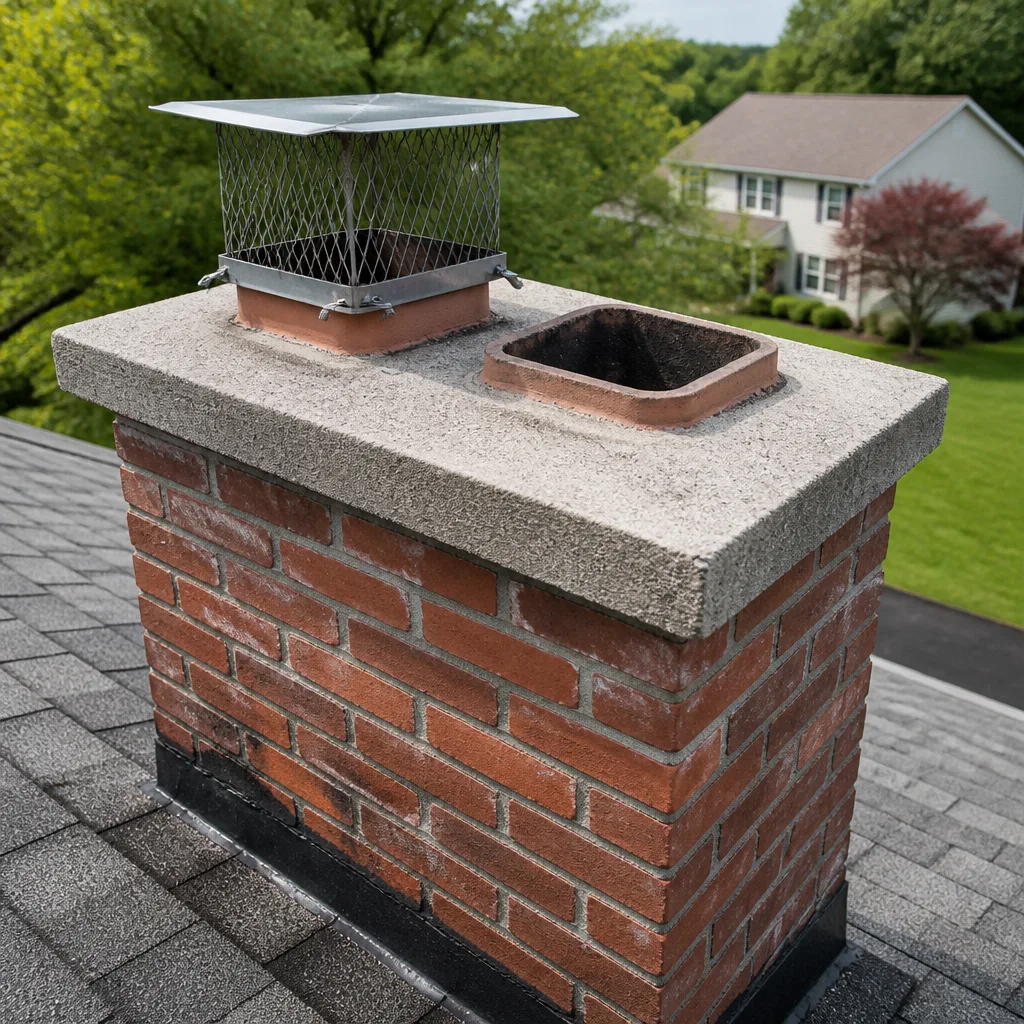 Sweep & inspection
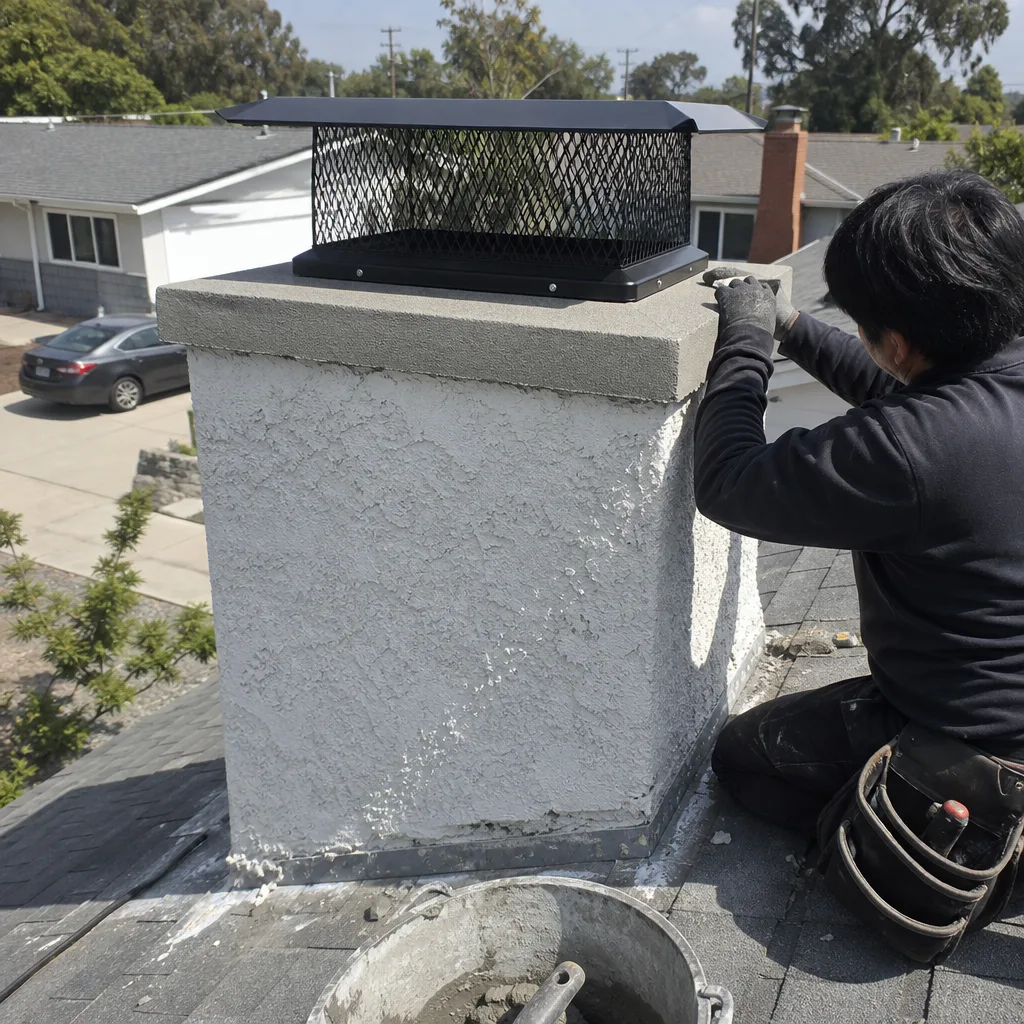
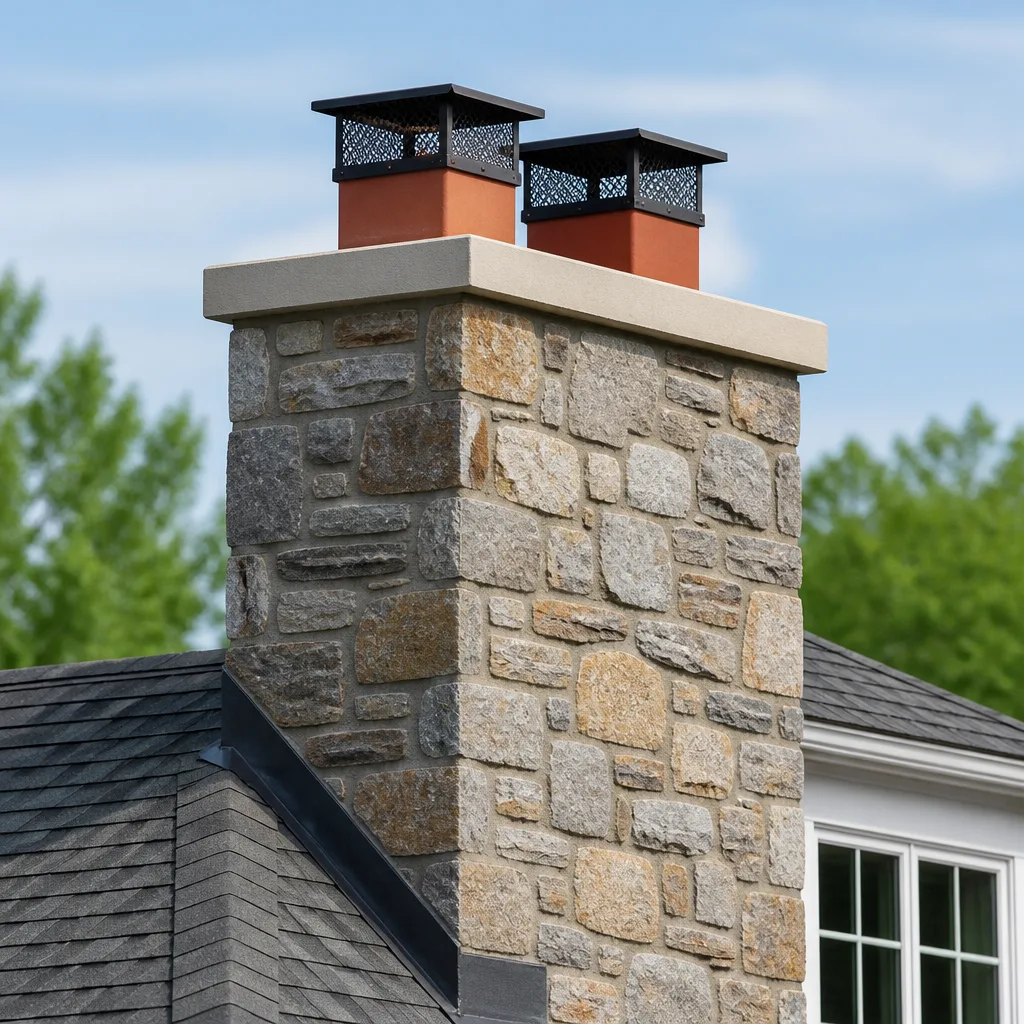 Caps & crowns
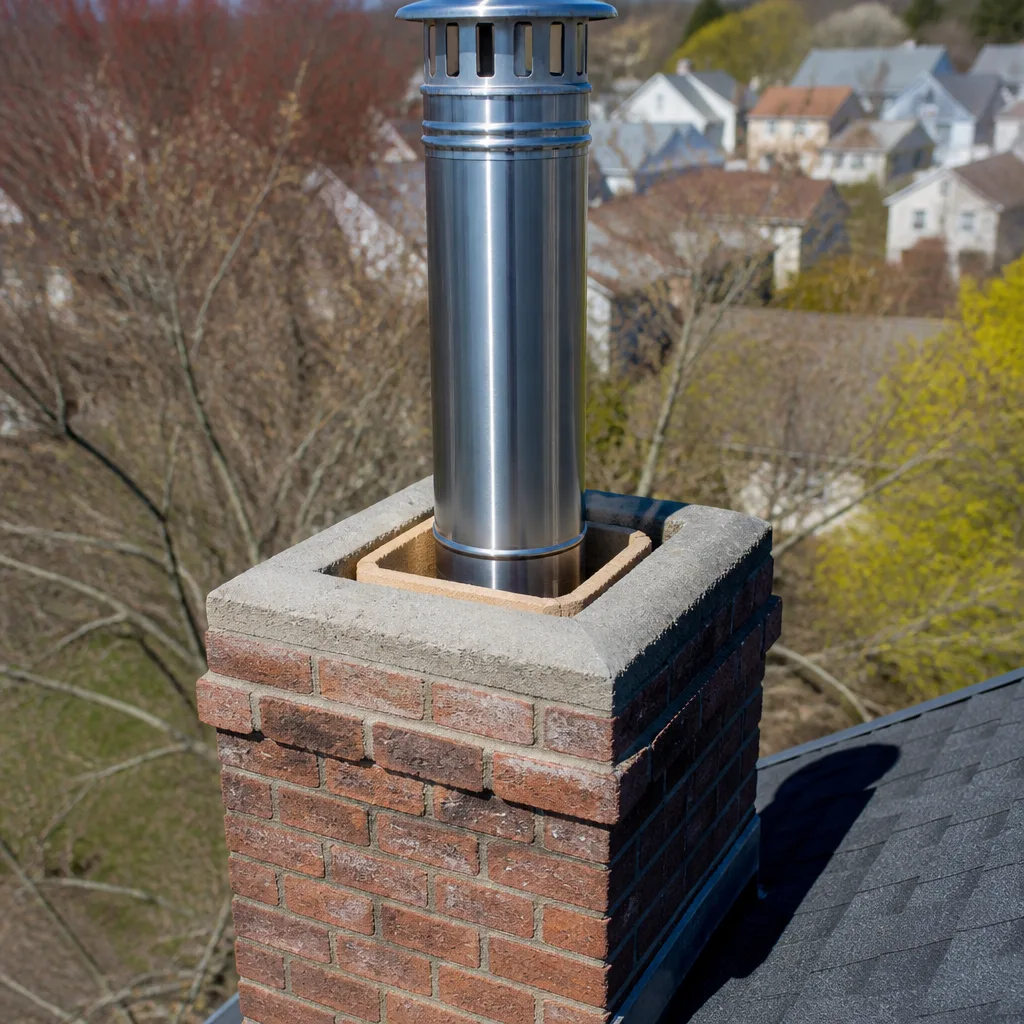 Flue relining
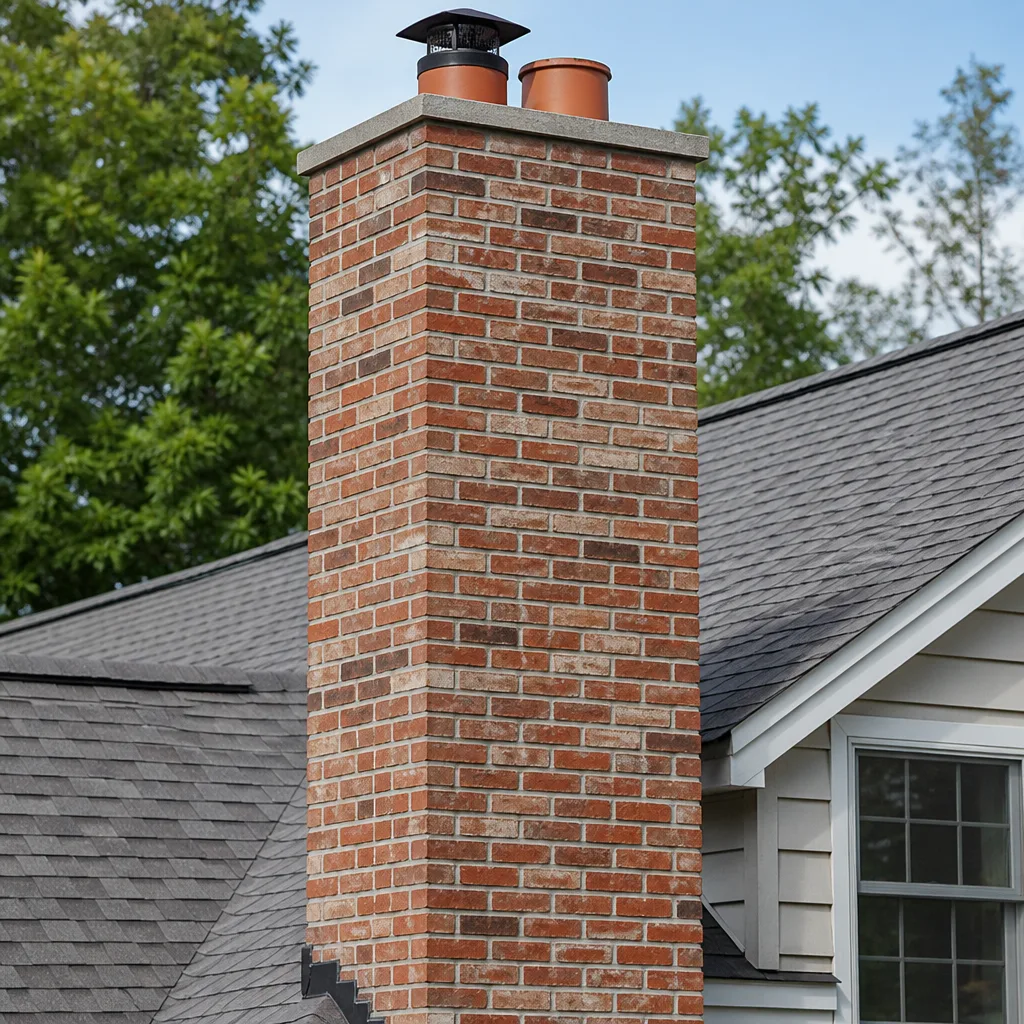 Masonry repair
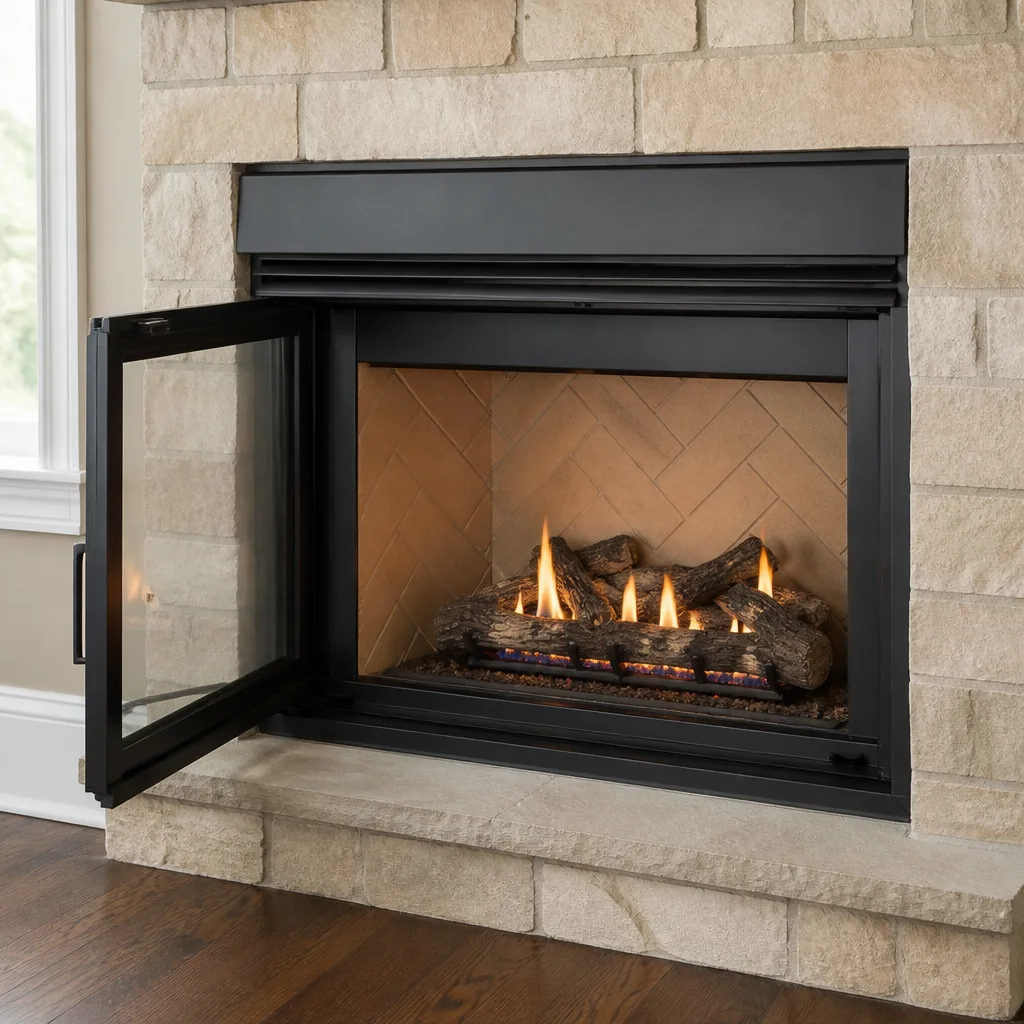 Gas fireplace service
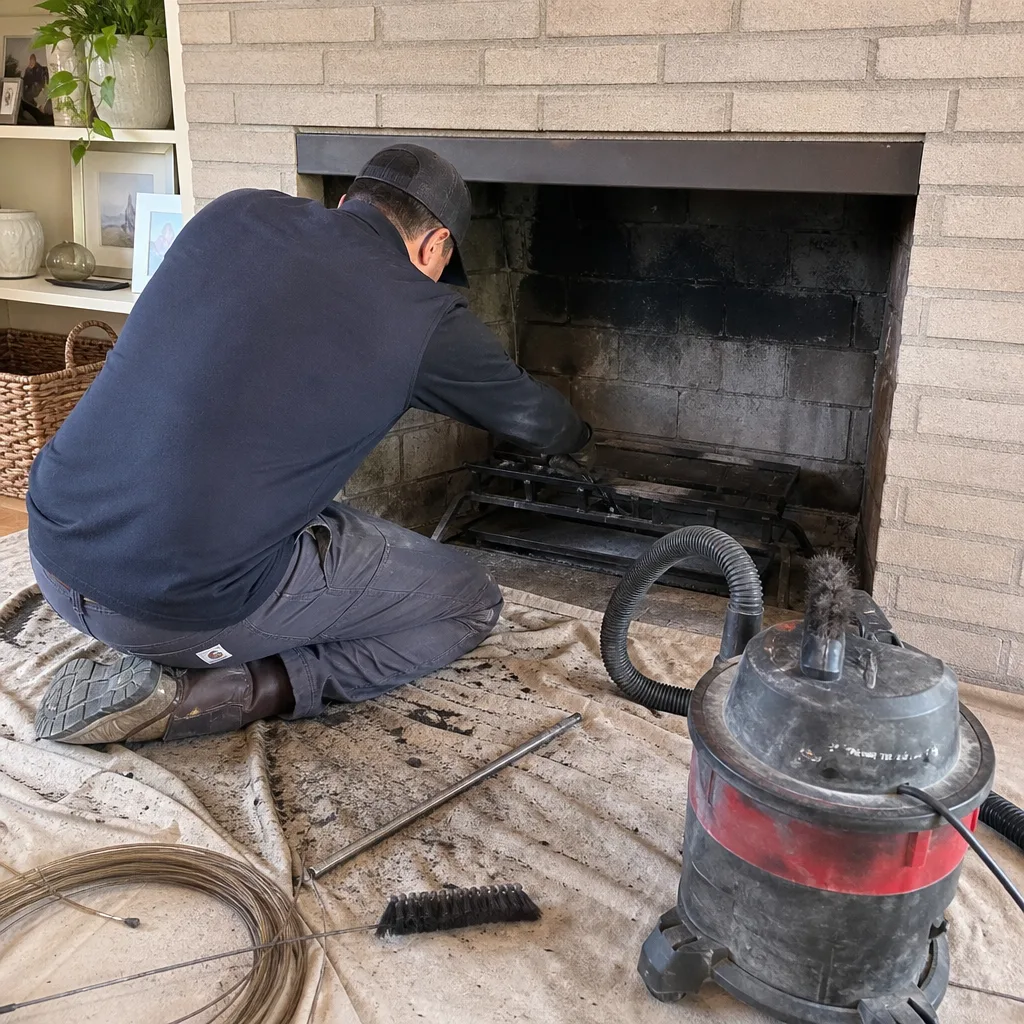
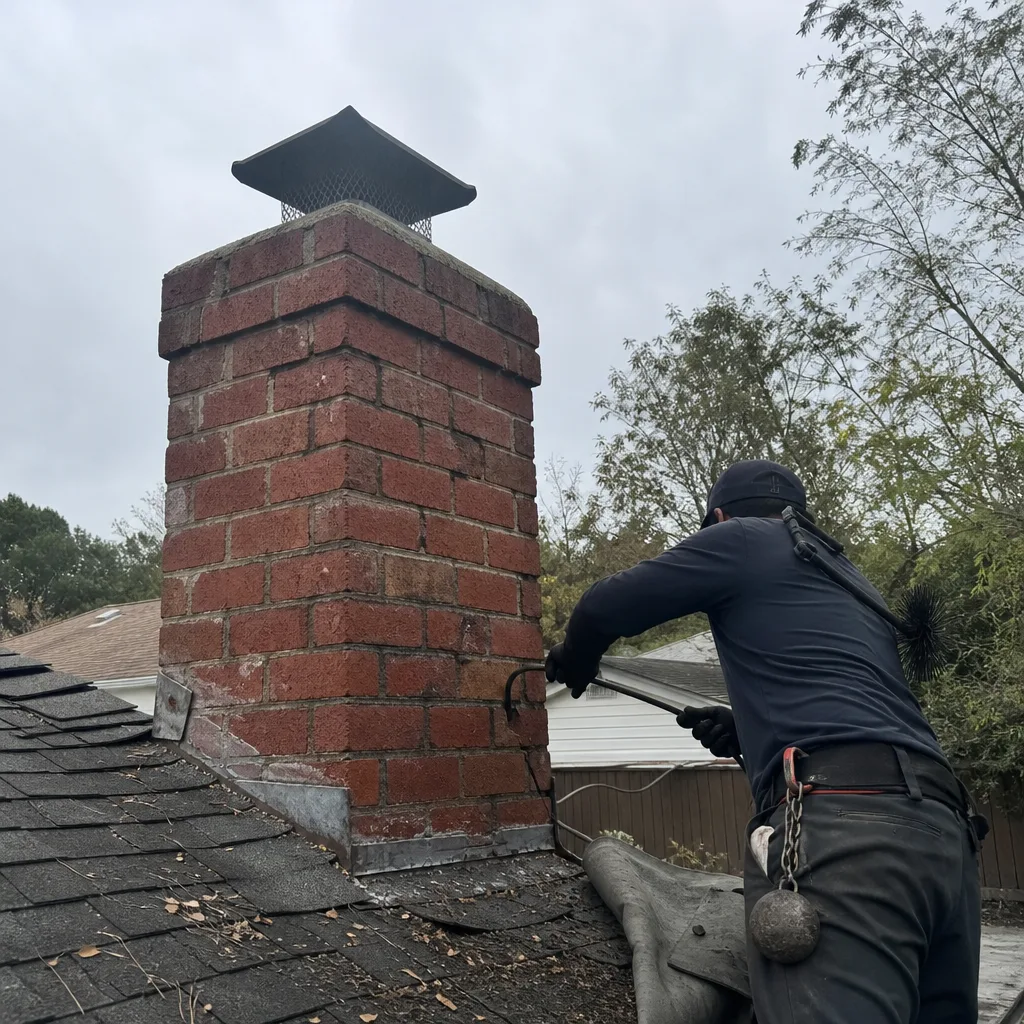
Level 1 sweep and inspection to the NFPA 211 annual standard - flue, crown, cap, and flashing checked and photographed
Chimney sweep logs do not sweep chimneys. They loosen some creosote - which then falls where a brush and vacuum still have to collect it.
Choosing the Right Chimney Cleaning Brand: A Buyer’s Guide for Westminster
Here’s a fact that surprises most Westminster homeowners: the best-selling chimney cleaning brush on Amazon is built for round metal flue liners. But walk through neighborhoods like Midway City or the older streets near Westminster Boulevard, and you’ll find thousands of homes with rectangular clay tile flues. A round brush spinning inside a rectangular flue leaves thick creosote deposits in every corner. This guide will help you understand what actually matters when choosing chimney cleaning equipment, whether you’re buying DIY supplies or evaluating what a contractor brings to your home in Westminster. For related reading, see our DIY vs Professional Chimney Cleaning: The Westminster Homeowner’s Decision Guide.
Quick Answer
The right chimney cleaning brand depends first on your flue type: rectangular clay tile flues need flexible wire or poly brushes with rectangular geometry, while round metal liners need round poly brushes that won’t scratch the alloy. For most Westminster homes with clay tile flues, we recommend poly brushes with rectangular profiles from brands like Olympia Chimney or Famco, paired with a professional-grade rod system. Chemical creosote modifiers are never a substitute for mechanical brushing, regardless of brand claims.
Styles & brands we work with
- Sweep & inspection
- Caps & crowns
- Flue relining
- Masonry repair
- Gas fireplace service
Table of Contents
- Why Your Flue Type Dictates the Right Tool
- The Three Product Categories: Wire Brushes, Poly Brushes, and Chemical Modifiers
- Rod System Evaluation: Fiberglass vs. Polypropylene
- Chemical Creosote Treatments: What the Data Actually Shows
- What to Ask When Your Contractor Specifies Their Equipment
- HeatShield and Gelco: When Restoration Matters More Than Cleaning
- DIY vs. Professional: A Real Cost Comparison for Westminster
- Common Mistakes to Avoid
- When to Call a Professional
- Frequently Asked Questions
Why Your Flue Type Dictates the Right Tool
Before you buy any brush, rod, or chemical treatment, you need to know what’s inside your chimney – start with The Complete Chimney Sweep Guide for Westminster Homeowners for a full overview. This single piece of information determines whether a $40 brush from the hardware store will clean your flue or just smear creosote around. Westminster’s housing stock spans several decades, which means you’ll find three distinct flue configurations across the city.
The three flue types you’ll encounter in Westminster:
- Rectangular clay tile flues: The most common in homes built before 1980. These are modular terra cotta sections stacked inside the masonry chimney. They typically measure 8″ x 8″, 8″ x 12″, or 13″ x 13″. The square corners are where creosote accumulates fastest, and a round brush physically cannot reach them. If your Westminster home has an original chimney from the 1960s or 1970s, this is almost certainly what you have.
- Round metal liners (stainless steel or aluminum): Homes that have had a liner installed, either as an upgrade or to satisfy insurance requirements, use round flexible or rigid metal liners. These are smooth and continuous, which makes mechanical cleaning more straightforward. Westminster’s coastal humidity accelerates creosote bonding to metal, so these still need regular attention.
- Oval or irregular flues: Some older masonry chimneys in Westminster have flues that were never perfectly rectangular, or that have shifted slightly over decades. These need brushes with additional flexibility or specialized oval profiles.
In our experience, the single most common mistake we see is a homeowner buying a round poly brush for a square clay flue. The brush spins, the center of each wall gets scraped, and the corners bake in creosote season after season. Within two or three burning seasons, those corners can hold enough fuel to sustain a chimney fire.
Before buying anything, shine a flashlight up your fireplace. If you see rectangular edges or clay-colored tile, you have a rectangular flue. If you see smooth metal, it’s a round liner. This ten-second inspection saves money and prevents a false sense of security. Our Chimney Sweep in Westminster page explains what professional-grade cleaning involves for each flue type.
The Three Product Categories: Wire Brushes, Poly Brushes, and Chemical Modifiers
Chimney cleaning products fall into three distinct categories, and each serves a different purpose. Understanding the differences matters more than brand loyalty, because the best brand in the wrong category will still give you a poor result.
Wire Brushes: For Masonry and Heavy Creosote
Wire brushes, typically made from oil-tempered spring steel, are the traditional workhorse for clay tile and masonry flues. Their stiffness allows them to physically scrape glazed creosote off ceramic surfaces. Brands like Olympia Chimney and Famco have produced wire brushes for decades, and their products reflect a no-nonsense approach: heavy gauge wire, solid hub construction, and replacement brush heads that can be swapped as bristles wear.
Wire brushes have one significant limitation: they can scratch and gouge stainless steel liners. If your Westminster home has a metal liner system, a wire brush is the wrong tool. Scratched liners accumulate creosote faster and are harder to clean on every subsequent visit. For tile flues, however, nothing beats a properly sized wire brush for removing stage two glazed creosote.
Poly Brushes: For Metal Liners and Lighter Deposits
Polypropylene brushes are the modern standard for metal chimney liners. Their bristles are stiff enough to remove soot and light creosote, but flexible enough to conform to the contours of a corrugated liner without scratching the metal. The key specification is brush density: professional-grade poly brushes have tightly packed bristles that make full contact with the flue wall on every pass.
For Westminster homeowners with round metal liners, poly brushes are the correct choice. However, the quality difference between brands is real. Cheaper poly brushes shed bristles inside the flue, which then become obstructions that collect creosote. Professional brands like Olympia Chimney manufacture their poly brushes with chemical-resistant polymers that hold up to repeated exposure to creosote and cleaning solvents.
Chemical Creosote Modifiers: Adjuncts, Not Replacements
Every brand of chimney cleaning chemical makes the same implicit promise: apply this product and reduce your creosote problems. The reality is more complicated. Chemical modifiers work by either dehydrating creosote so it flakes off more easily during brushing, or by catalyzing the combustion of creosote at lower temperatures so it burns away over time. Neither mechanism removes creosote on its own.
What separates legitimate products from marketing is third-party test data. Products that have undergone independent laboratory testing for creosote modification will publish those results, either on the product label or in technical data sheets. Products without available test data are typically relying on anecdote. The gap in actual performance between tested and untested chemical products is significant, even when the packaging sounds identical.
Rod System Evaluation: Fiberglass vs. Polypropylene
The brush is only half the equation. The rods that push or pull the brush through your flue determine whether the brush maintains contact with the walls for the full chimney height. A brush that loses pressure halfway up is no better than no brush at all.
Westminster homes frequently have single-story or two-story layouts with chimneys ranging from 15 to 30 feet. That length matters because rod flex becomes a real problem at the upper end of that range. A rod system that flexes too much will allow the brush to skate over deposits instead of scraping them.
Fiberglass rods:
- Lighter and cheaper than polypropylene alternatives
- Glass fibers can splinter over time, especially with heavy use
- Excellent rigidity for chimney lengths up to 20 feet
- Splinters can embed in skin, requiring careful handling
- Can fail suddenly at connection points under high torque
Polypropylene rods:
- More flexible than fiberglass, which helps navigate minor flue offsets
- Better resistance to chemicals and creosote exposure
- Some flex loss on chimneys beyond 25 feet, particularly with heavy wire brushes
- Smoother connection hardware that doesn’t catch on flue edges
- Professional-grade brands design their rods with buttress threads that flex under load instead of cracking
For most Westminster chimneys, a professional-grade polypropylene rod system provides the best balance of flexibility and strength. The rods we use in our Chimney Sweep in Westminster service are selected for their performance in clay tile flues with minor offsets, a condition common in older homes along Westminster Avenue and in the neighborhoods near the 405.
Chemical Creosote Treatments: What the Data Actually Shows
Walk into any hardware store in Westminster and you’ll find a shelf of chimney cleaning chemicals. Most promise to make sweeping easier, reduce creosote buildup, or eliminate the need for professional cleaning entirely. Let’s sort through which claims hold up.
The chemistry behind creosote modifiers is well understood. Creosote is a complex mixture of tar-like compounds that condense from wood smoke. Its consistency ranges from flaky soot at the low end, through granular deposits, to a hard, shiny glaze that resembles black glass. The glaze is the most dangerous form: it burns at high temperatures, ignites easily, and is nearly impossible to remove with a brush alone.
Chemical treatments target the glazed form. They contain catalysts, typically copper compounds or manganese, that lower the ignition temperature of creosote. The idea is that normal fireplace temperatures then gradually break down the glaze, converting it to a powdery residue that falls into the firebox or is removed during the next brushing.
What the data shows is that these products work, but with significant caveats. They work slowly. They require consistent application over weeks or months of regular burning. And they cannot remove thick deposits on their own. A chemical modifier applied to a heavily glazed flue will alter the surface layer while leaving the bulk of the deposit intact. That’s why every reputable chimney professional describes chemical treatment as an adjunct to mechanical cleaning, never a replacement.
How to evaluate a chemical treatment product:
- Look for published test data. Products tested to ASTM standards or equivalent will typically reference the test protocol on the label or packaging. If the claim is vague (“reduces creosote”), that’s marketing, not science.
- Check the active ingredient list. Copper-based catalysts have a longer research history than proprietary blends. That doesn’t automatically make them better, but it means they have a documented mechanism of action.
- Ignore “no sweep needed” claims. No chemical product currently on the market eliminates the need for mechanical creosote removal. Products that make this claim should be treated with extreme skepticism.
- Consider the form factor. Spray-on products provide better flue coverage than powdered products dropped from the top. However, sprays require a working reach and proper application pattern to be effective.
For Westminster homeowners, the practical takeaway is straightforward: use a tested chemical modifier between professional cleanings if your burning habits produce heavy creosote, but schedule mechanical cleaning regardless. Nothing replaces the physical removal of deposits, and the chemistry simply makes that removal easier.
What to Ask When Your Contractor Specifies Their Equipment
When you hire a chimney sweep in Westminster, you’re not just buying their time. You’re buying their equipment selection, their understanding of flue geometry, and their judgment about what’s appropriate for your specific chimney. Asking the right questions about their tools separates professionals who deliver real results from those running a brush up and down without much thought.
The five questions to ask any chimney sweep about their equipment:
- “What type of brush are you using for my flue?” The answer should reference your flue type specifically. If they say “a wire brush” without asking whether you have a clay tile flue or a metal liner, that’s a red flag. Wire brushes damage metal liners. Poly brushes can’t remove glaze from tile. The correct answer requires knowing your flue type first.
- “What size brush are you using?” Brushes are sized to the flue cross-section. An undersized brush might spin through the chimney without making meaningful contact with the walls. An oversized brush can bind or fail. A professional should know their brush dimensions and be able to explain why they match your flue.
- “Can you show me what you’re leaving behind?” Modern chimney professionals use camera inspection after cleaning to show homeowners exactly what remains. If a company doesn’t offer post-clean camera verification, you’re taking their word for the result. This matters because residual creosote is invisible from outside the chimney.
- “What’s your approach for glazed creosote?” If they say “just brush harder,” find someone else. Glazed creosote requires specific removal techniques, sometimes involving rotary loop systems or chemical pretreatment. Brushing harder with standard equipment doesn’t work on glaze and can damage the flue.
- “Are you trained on HeatShield or similar restoration methods?” Contractors who understand flue restoration technologies like HeatShield are thinking about the chimney as a system, not just a surface to clean. That perspective matters when your cleaning reveals cracked tiles or damaged mortar joints.
Chimney Repair Westminster’s service model is built around this approach. We’re a Chimney Repair in Westminster company that also cleans chimneys, not a sweep company that has a repair crew. The distinction matters: when our cleaning reveals damage, we can discuss restoration options like HeatShield ceramic resurfacing in the same conversation, with the same team, on the same day.
HeatShield and Gelco: When Restoration Matters More Than Cleaning
Every chimney cleaning reveals some level of wear. Flue tiles develop hairline cracks, mortar joints erode, and liner systems show their age. The question is what happens next. A sweep-only company flags the problem and hands you a list of unknown contractors to call. A full-service chimney specialist can discuss restoration on the spot.
HeatShield is a ceramic resurfacing system designed to restore damaged flue liners without a full rebuild. The compound is applied to the flue interior and cures into a smooth, continuous surface that seals cracks, restores structural integrity, and meets the relevant safety standards for continued use. It’s particularly useful for older Westminster homes where a full chimney rebuild would be prohibitively expensive or destructive.
Gelco products serve a similar function in specific applications: sealing and protecting flue interiors where the structural damage is less severe. Both product lines represent the same philosophical shift in chimney care: from replacement to restoration. Rebuilding a chimney is invasive. Resurfacing a flue is minimally disruptive and can often be completed in a single day.
What does this have to do with choosing a cleaning brand? Because the same companies investing in professional-grade cleaning equipment are typically the ones offering restoration services. There’s a reason for that: they understand creosote removal and flue rehabilitation as two ends of the same maintenance continuum. A company that only sweeps never develops the diagnostic eye for structural problems. A company that only repairs never develops the cleaning expertise to distinguish between surface discoloration and problematic creosote accumulation.
Westminster’s climate contributes to flue deterioration in ways that make restoration expertise especially relevant. Coastal humidity accelerates mortar erosion, particularly in the upper flue sections exposed to marine air. Temperature swings between cool nights and warm inland afternoons create thermal cycling that widens hairline cracks over time. Our Chimney Repair Westminster home page explains how we address these Westminster-specific conditions through combined cleaning and repair service.
DIY vs. Professional: A Real Cost Comparison for Westminster
Let’s look at the actual costs, because the DIY versus professional decision should be based on numbers, not vague claims about savings. Here’s what a Westminster homeowner can expect to spend on either path.
DIY chimney cleaning: the real numbers
- Entry-level round brush kit (wrong tool for most Westminster homes): $35 – $60. These kits from Amazon or big-box stores typically include fiberglass rods, a round poly brush, and sometimes a drop cloth. In a rectangular clay flue, they leave corner deposits behind.
- Rectangular poly brush set with professional rods: $120 – $200. This buys you the right brush shape and a rod system with proper connection hardware. You’ll also need a drop cloth, a flashlight, gloves, and eye protection, pushing the total toward $150 – $250.
- Time investment: First-time DIYers typically spend 2 – 4 hours on setup, cleaning, and cleanup. The marginal cost of that time is real, even if it doesn’t show up on a receipt.
- What you can’t buy: The expertise to interpret what you’re seeing. Cracks in flue tiles, signs of water intrusion, and early-stage glaze all look different to an untrained eye. Missing these signs means your chimney is “clean” while still being hazardous.
Professional chimney cleaning:
- Typical Westminster sweep cost: $180 – $340, depending on chimney height, accessibility, and creosote condition. This includes the full cleaning, inspection, and usually a written report.
- What’s actually included: Proper brush selection for your flue type, creosote removal from walls and corners, firebox and smoke chamber cleaning, and a professional inspection of the entire system. If the company offers camera inspection, you also get photo documentation.
- The value of diagnosis: A professional cleaning often catches problems before they become emergencies. The cost of discovering a cracked flue tile during a sweep is measured in hundreds of dollars for HeatShield resurfacing. The cost of discovering it during a chimney fire is measured very differently.
The DIY path makes sense for homeowners who already have the right equipment, enjoy the work, and understand flue inspection well enough to recognize problems. For most Westminster homeowners, professional cleaning costs less than the equipment they’d need to buy for a proper DIY job, and the inspection value alone justifies the difference.
Common Mistakes to Avoid
- Buying a round brush for a rectangular flue. This is the error we see most often in Westminster. The brush clears the center of each wall but leaves corner deposits. Those corners are where creosote fires start.
- Using a wire brush on a metal liner. Steel bristles gouge stainless steel and aluminum, creating grooves that trap creosote and make every subsequent cleaning more difficult. Poly brushes exist for a reason.
- Substituting chemicals for mechanical cleaning. No creosote modifier on the market can replace brushing. Chemicals alter creosote consistency; they don’t remove it from the flue.
- Ignoring the smoke chamber. The area above the firebox and below the flue accumulates creosote faster than the flue itself in many Westminster homes. A complete cleaning addresses this zone, not just the straight run of the chimney.
- Judging brush quality by price alone. Some expensive brushes are mediocre, and some mid-priced professional brushes are excellent. Judging by bristle density, hub construction, and brand reputation among chimney sweeps is more reliable than price-sorting.
- DIY cleaning without a flue inspection first. If your clay tiles are already cracked or shifted, running a brush through can worsen the damage. Inspection should precede cleaning in any chimney with unknown history.
- Forgetting the dryer vent. Dryer vents are the second leading residential fire cause. Our Dryer Vent Cleaning in Westminster service addresses this hazard alongside chimney care, because the fire-safety mindset should extend to the whole home.
When to Call a Professional
A professional chimney cleaning is the right call when you notice any of these conditions: visible creosote accumulation in the firebox that you can’t identify, a burning smell that persists after the fire is out, smoke entering the room instead of going up the flue, or evidence of past chimney fire such as cracked tiles or warped metal. If you’ve recently bought a Westminster home with a fireplace and have no cleaning history from the previous owner, The Complete Chimney Sweep Guide for Westminster Homeowners explains why a professional inspection and cleaning should be your first step. Seasonal burning in Westminster, typically October through March, justifies annual professional service for most households, more often for heavy burners. Chimney Repair Westminster offers free estimates in Westminster – call (877) 358-3706 to schedule yours.
Frequently Asked Questions
For rectangular clay tile flues, professional-grade poly brushes from Olympia Chimney or Famco provide the right combination of stiffness, durability, and rectangular geometry to reach corners effectively. Wire brushes also work well on tile flues, but poly brushes offer better longevity and are gentler on older terra cotta that may have micro-fractures. The brand matters less than getting the brush shape and size matched to your specific flue dimensions.
A standard chimney sweep in Westminster typically ranges from $180 to $340, with the final price dependent on chimney height, flue condition, and accessibility. Homes with glazed creosote, which is more common in coastal climates where moisture bonds with smoke residue, may require additional time and specialized removal techniques. Call (877) 358-3706 for an exact quote – estimates are free.
Chemical creosote modifiers with published third-party test data do produce measurable changes in creosote consistency, making mechanical removal easier on the next cleaning. Products without available test data are relying on marketing claims. No chemical treatment currently on the market can eliminate the need for mechanical brushing, and treating chemicals as a replacement for sweeping is a fire-safety risk.
Most Westminster homes that burn wood regularly should have their chimneys swept once per year, ideally in late summer or early fall before the burning season begins. Homes used for occasional ambient fires can sometimes go 18 – 24 months between cleanings, but annual inspection is still recommended even if the cleaning itself can wait. Seasonal moisture in Westminster’s coastal air accelerates creosote bonding, which argues for keeping to an annual schedule.
You can clean your own chimney if you have the correct brush for your flue type, a professional-grade rod system, and the knowledge to inspect what the cleaning reveals. What most homeowners lack is the diagnostic eye for cracked tiles, crumbling mortar, and early-stage glazing. A DIY cleaning that misses a structural problem leaves you with a false sense of security and a fireplace that’s still unsafe to use.
HeatShield is a ceramic resurfacing system that restores the interior surface of damaged flue liners, sealing cracks and creating a smooth, continuous surface that meets safety standards for continued use. Regular chimney cleaning removes creosote from whatever surface exists. HeatShield reconstructs that surface when it’s been compromised by heat, age, or water damage, which is common in older Westminster homes where mortar joints have eroded over decades.
The Bottom Line
Choosing the right chimney cleaning brand in Westminster starts with knowing your flue type: rectangular clay tile, round metal liner, or irregular oval. That single detail determines whether you need a rectangular poly brush, a round poly brush, or a flexible wire brush, and no amount of brand loyalty overcomes using the wrong shape. Rod systems matter too, with professional polypropylene rods offering the best balance for Westminster’s typical chimney heights. Chemical treatments are adjuncts to mechanical cleaning, never substitutes, regardless of what the label says. And when your cleaning reveals structural damage, restoration systems like HeatShield address the underlying problem rather than just the surface symptom. For professional cleaning with the right equipment and the diagnostic expertise to interpret what it reveals, call Chimney Repair Westminster at (877) 358-3706.
Written by the team at Chimney Repair Westminster, serving Westminster since 2012. Explore more guides & resources on chimney care and maintenance.
See the difference
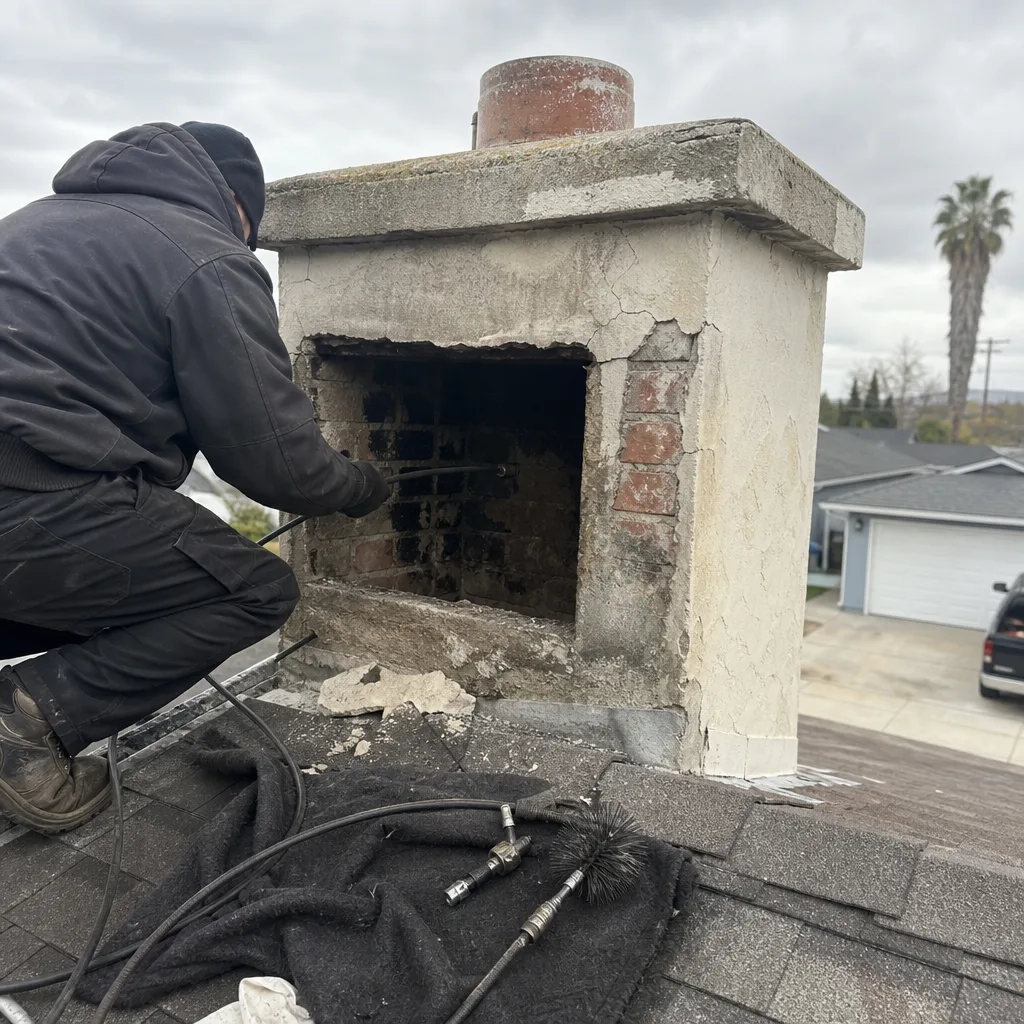 Before
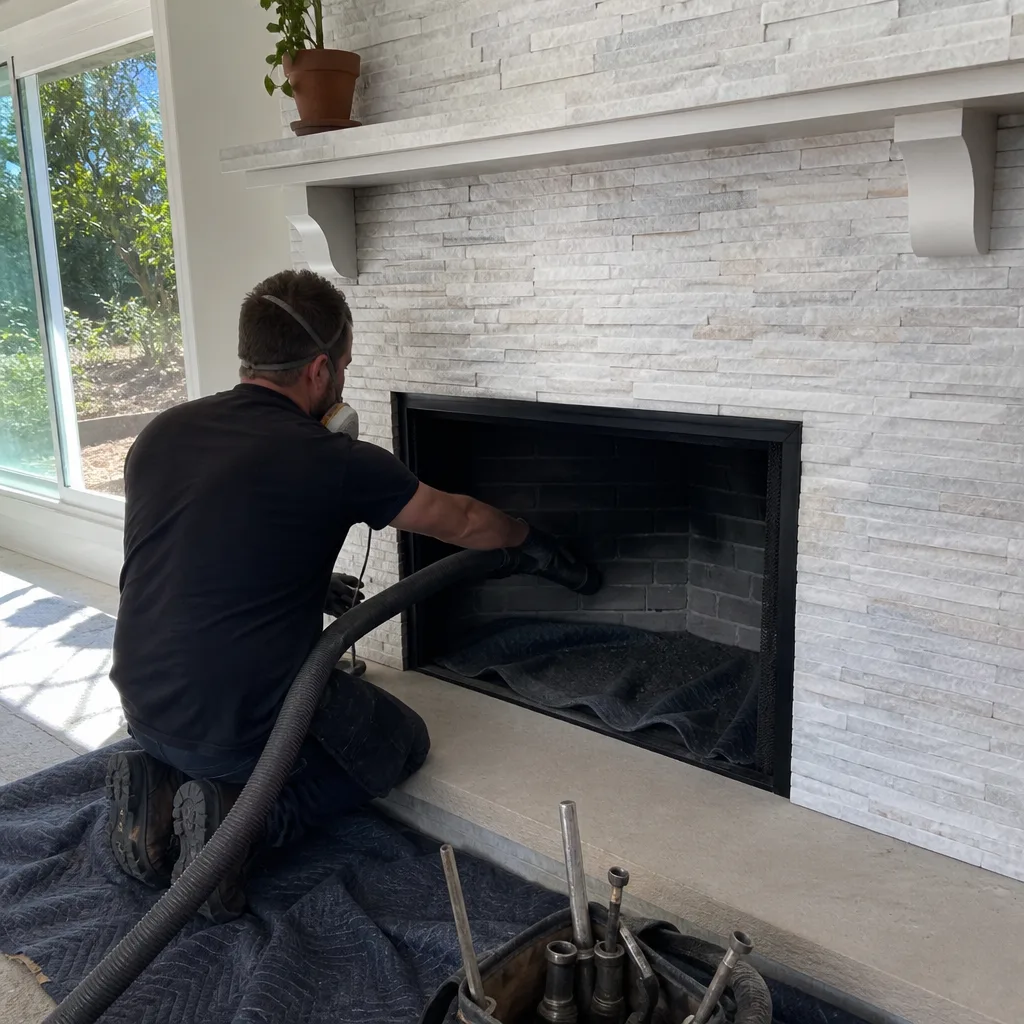 After
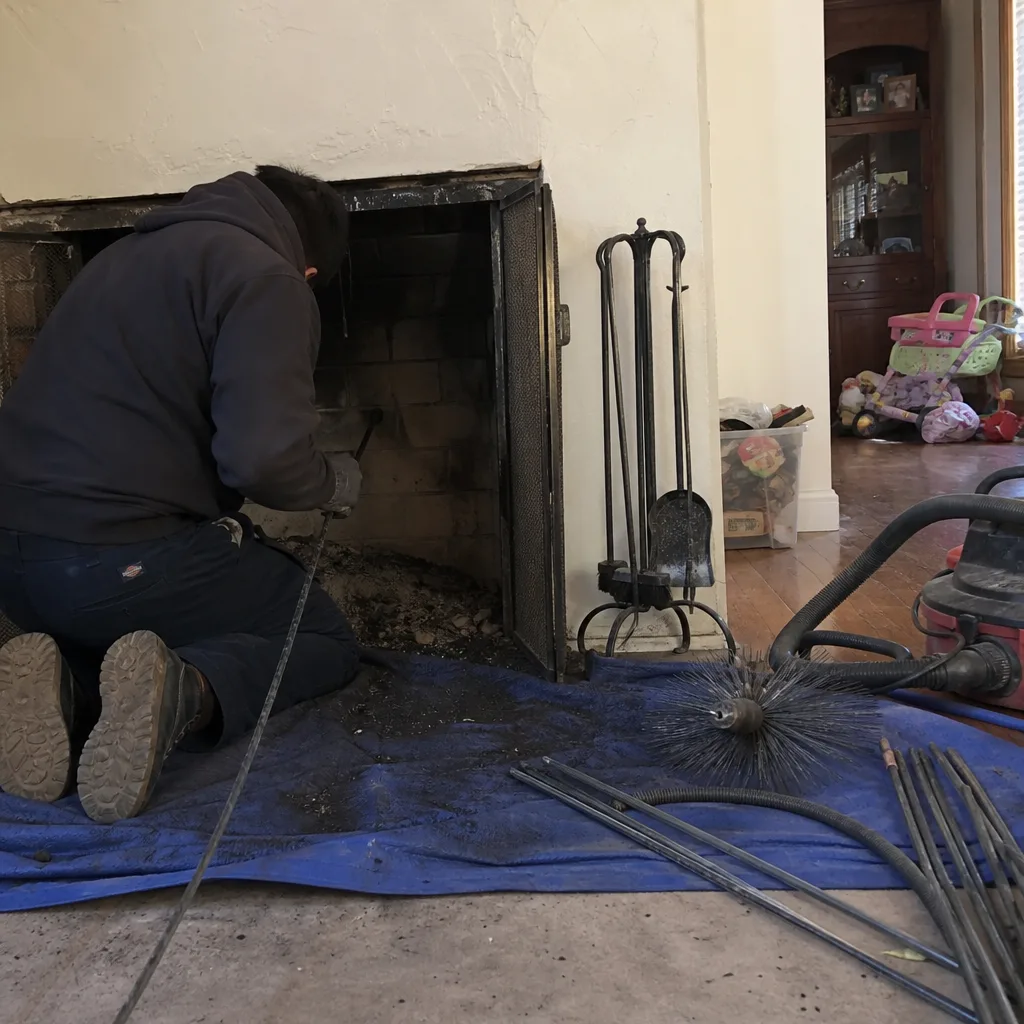 Before
 After
 Before
 After